Hey there! I’m a supplier of plastic fittings, and I know it might seem a bit strange for me to talk about the disadvantages of the very products I sell. But I believe in being honest with you guys. Plastic fittings have been around for ages and are super popular for a whole bunch of reasons. They’re cheap, lightweight, and easy to install. But like anything else in the world, they ain’t perfect. So, let’s dive into some of the downsides of plastic fittings. Plastic Fittings

Environmental Impact
One of the biggest cons of plastic fittings is their environmental impact. Plastics are made from fossil fuels, which are non – renewable resources. Extracting and processing these fuels to make plastic is a huge energy – guzzler and releases a ton of greenhouse gases into the atmosphere. You know, when we burn fossil fuels for plastic production, it’s like adding fuel to the climate change fire.
What’s even more concerning is what happens when these plastic fittings reach the end of their life. Most plastics are not biodegradable. That means they stick around in landfills for hundreds, if not thousands of years. And some of them end up in our oceans. You’ve probably seen those heartbreaking images of seabirds and marine animals getting tangled in plastic trash or ingesting it. It’s a real mess, and it’s our responsibility to do something about it.
Now, as a plastic fitting supplier, I’m aware of this issue. And I’m constantly looking for ways to make my products more environmentally friendly. For instance, I’m exploring options to use recycled plastics in my production process. But it’s a slow and challenging journey.
Durability and Longevity
Another drawback of plastic fittings is their durability. While plastic is lightweight and easy to work with, it’s not as tough as some other materials like metal. Plastic fittings can become brittle over time, especially when exposed to extreme temperatures or harsh chemicals.
In a hot environment, plastic fittings can start to warp or melt. On the other hand, in cold weather, they can become rigid and crack. This lack of temperature resistance means that in some applications, you might have to replace plastic fittings more frequently compared to metal ones.
For example, if you’re using plastic fittings in an outdoor plumbing system, they might not last as long as copper or steel fittings. The sun’s UV rays can also break down the plastic over time, reducing its strength and integrity. I’ve had customers come back to me complaining about leaks or breaks in their plastic fittings after a few years of use, and it’s a bummer because I want to provide them with the best products.
Chemical Resistance
Plastic fittings have varying degrees of chemical resistance. Some plastics can withstand certain chemicals well, but others can be easily damaged. When you’re using plastic fittings in a chemical – handling system, you really need to be careful.
For instance, some solvents and aggressive chemicals can cause plastic to swell, dissolve, or corrode. This can lead to leaks and failures in the system, which can be not only costly to fix but also dangerous. In an industrial setting, a chemical leak from a failed plastic fitting could pose a serious risk to workers’ health and the environment.
As a supplier, I always try to educate my customers about the chemical compatibility of my plastic fittings. But sometimes, it’s hard for them to know exactly what chemicals they’ll be dealing with, especially in complex industrial processes. And that makes it a bit of a gamble.
Limited Pressure and Temperature Ratings
Plastic fittings have limited pressure and temperature ratings compared to their metal counterparts. They’re generally not suitable for high – pressure or high – temperature applications.
In a high – pressure system, plastic fittings can burst or leak. The stress from the pressure can cause the plastic to fail, and that can lead to serious safety issues. Similarly, in high – temperature environments, the plastic can soften and lose its shape, which can also result in leaks.
For example, in a steam system or a high – pressure hydraulic system, metal fittings are usually the go – to choice because they can handle the extreme conditions better. This means that if you’re looking for a fitting for a high – performance system, plastic might not be the best option.
Aesthetic Appeal
Let’s talk about looks. Now, I know it might not be the most important factor for some applications, but for others, aesthetic appeal matters. Plastic fittings are often seen as less attractive than metal fittings.
They have a more synthetic and sometimes cheap appearance. In a high – end building or a decorative plumbing system, metal fittings like brass or chrome – plated steel can add a touch of elegance and class. Plastic just can’t compete in that department.
Even if you paint the plastic fittings to try and make them look better, the paint can chip and fade over time, making them look worse. So, if appearances are important for your project, plastic might not be the ideal choice.
Addressing the Concerns
I know all this might sound pretty negative, but don’t get me wrong. Plastic fittings still have their place in the market. They’re great for many low – pressure, low – temperature, and budget – friendly applications. And as a supplier, I’m committed to improving my products.
I’m investing in research and development to come up with more durable and environmentally friendly plastic fittings. I’m also working on better ways to educate my customers about the proper use and limitations of my products.
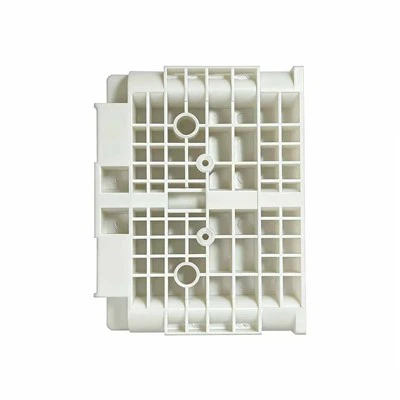
If you’re in the market for plastic fittings, I’d be more than happy to have a chat with you. I can help you figure out if plastic is the right choice for your specific needs. And even if it turns out that you need something else, I can point you in the right direction.
Plastic Plug So, if you’re thinking about a project and need some advice on fittings, feel free to reach out. I’m here to help you make the best decision for your situation.
References
- "Plastic Materials and Their Properties" by John Murphy
- "Environmental Impact of Plastics" by the Environmental Protection Agency
- "Handbook of Chemical Resistance of Plastics" by Robert J. Crawford
Deqing Fengcheng Plastic Products Co., Ltd.
With abundant experience, we are one of the most professional plastic fittings manufacturers and suppliers in China. We warmly welcome you to wholesale bulk customized plastic fittings from our factory. If you have any enquiry about free sample, please feel free to email us.
Address: No. 18, Yanhe West Road, Yuyue Town, Deqing County, Huzhou City, Zhejiang Province
E-mail: super_fetching@163.com
WebSite: https://www.funchim.com/
