Hey there! As a silicone sealant supplier, I’ve seen firsthand how important it is to have the right tools when applying silicone sealant. Whether you’re a DIY enthusiast or a professional contractor, using the proper tools can make the job a whole lot easier and ensure a great finish. So, let’s dive into what tools you’ll need to apply silicone sealant like a pro. Silicone Sealant
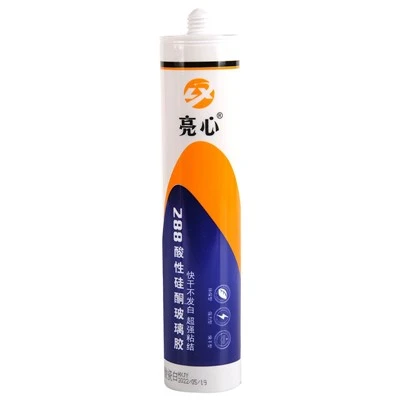
Silicone Sealant Gun
The first and most obvious tool you’ll need is a silicone sealant gun. This is the device that will pressurize the sealant tube and push the sealant out onto the surface you’re working on. There are two main types of sealant guns: manual and pneumatic.
Manual sealant guns are the most common and are typically used for small to medium – sized jobs. They’re operated by hand, and you’ll need to squeeze the trigger to apply pressure to the sealant. These guns are affordable and easy to use, making them a great option for DIYers.
Pneumatic sealant guns, on the other hand, are powered by compressed air. They’re much more powerful and can dispense sealant at a faster rate. This makes them ideal for large – scale commercial projects. However, they’re also more expensive and require an air compressor, so they’re usually not the best choice for home use.
When choosing a sealant gun, look for one that’s comfortable to hold and has a smooth trigger action. A gun with a variable speed trigger can give you more control over the flow of the sealant.
Caulking Nozzle
The caulking nozzle, also known as a tip, is attached to the end of the sealant tube. It’s what shapes and directs the flow of the sealant. When you buy a tube of silicone sealant, it usually comes with a basic nozzle, but you can also find specialty nozzles for different applications.
To prep the nozzle, you’ll need to cut it at an angle. The size of the opening you cut will depend on the width of the joint you’re sealing. A smaller opening is good for narrow joints, while a larger one is better for wider gaps. You can also cut a notch in the side of the nozzle for a bead of sealant that’s shaped like an oval, which is great for some kinds of finishes.
Utility Knife
You’ll need a utility knife to cut the caulking nozzle to the right size and shape. A sharp utility knife will make a clean cut, which is important for getting a smooth flow of sealant. Make sure to use a new blade or a sharp one, because a dull blade can make a jagged cut and cause the sealant to come out unevenly.
Caulking Smoother
A caulking smoother is a tool that helps you shape and smooth the bead of sealant after it’s been applied. There are several types of caulking smoothers available. Some are made of rubber or plastic and have a curved or flat edge for different smoothing techniques.
You can also use your finger to smooth the sealant, but wearing a glove is a good idea to prevent the sealant from sticking to your skin. If you use a finger, wet it with soapy water first. This will help the sealant slide off your finger more easily and give you a nice, smooth finish.
Cleaning Supplies
Before you start applying silicone sealant, you need to make sure the surface is clean and dry. You’ll need some cleaning supplies like a degreaser or a mild detergent, a scrub brush, and a clean cloth.
First, use the degreaser or detergent to remove any dirt, grease, or oil from the surface. Then, scrub the area with the brush to get rid of any stubborn grime. Rinse the surface thoroughly with water and dry it completely with the cloth. A clean surface will ensure that the sealant adheres properly.
Masking Tape
Masking tape is a handy tool for getting a straight and neat sealant line. You can apply masking tape on both sides of the joint you’re sealing. When you’re done applying the sealant, carefully remove the tape before the sealant dries. This will give you a clean, professional – looking edge.
Safety Equipment
Don’t forget about safety! When working with silicone sealant, you should wear safety glasses to protect your eyes from any splashes. Gloves are also a must to keep your hands clean and prevent skin irritation. Some silicone sealants can give off fumes, especially if they’re being used in a poorly – ventilated area. So, it’s a good idea to wear a respirator or work in a well – ventilated space.
Other Optional Tools
Depending on the job, you might also need some other tools. For example, if you’re sealing a large area, you might want to use a heat gun to soften the sealant and make it easier to work with. A putty knife can be useful for scraping off any excess sealant or for spreading the sealant in hard – to – reach areas.
Now that you know what tools you need, let’s talk a bit about the application process. First, load the sealant tube into the sealant gun. Make sure it’s inserted properly so that the gun can apply pressure to the tube. Then, cut the caulking nozzle to the appropriate size and attach it to the tube.
Next, apply masking tape along the edges of the joint. This will help you get a clean line. Start applying the sealant by squeezing the trigger of the sealant gun slowly and steadily. Move the gun along the joint at a consistent speed to get an even bead of sealant.
After you’ve applied the sealant, use the caulking smoother or your finger to shape and smooth the bead. Make sure to work quickly, because silicone sealant starts to dry relatively fast. Once you’re happy with the finish, carefully remove the masking tape.

Finally, clean up any excess sealant with a damp cloth. Let the sealant dry according to the manufacturer’s instructions before exposing it to water or other elements.
Silicone Sealant As a silicone sealant supplier, I can tell you that having the right tools is half the battle when it comes to a successful sealant application. If you’re in the market for high – quality silicone sealant and need advice on which products and tools are best for your project, don’t hesitate to reach out. We’re here to help you get the job done right and ensure you’re satisfied with the results. Whether you’re working on a small home repair or a large commercial project, we’ve got the products and expertise to support you. So, if you’re interested in purchasing silicone sealant or have any questions, feel free to contact us for a friendly chat and to start discussing your procurement needs.
References
- "Silicone Sealant Application Guide" – General industry knowledge from years of experience as a supplier.
- "Tools for Construction and DIY" – Various hardware store resources and product manuals.
Shandong Liangxin Adhesives Co., Ltd.
We are one of the most professional silicone sealant manufacturers in China, featured by quality products and good service. Please rest assured to wholesale high-grade silicone sealant in stock here and get pricelist from our factory. We also accept customized orders.
Address: Industrial Park, Jiudu Sub-district, Hedong District, Linyi City, Shandong Province, China
E-mail: 15253909280@139.com
WebSite: https://www.liangxinglue.com/
