Hey there! I’m a supplier of finned tubes, and I’ve been in this industry for quite a while. Over the years, I’ve seen firsthand how important it is to understand the cost – benefit analysis factors of finned tubes. So, let’s dive right in and explore what these factors are. Finned Tube
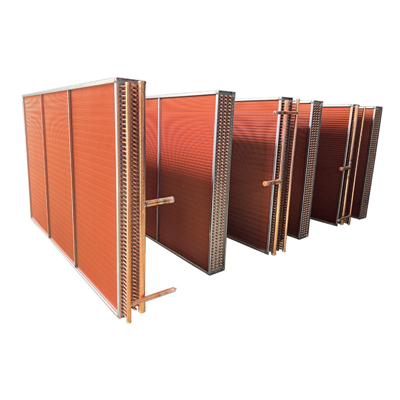
1. Initial Cost
The first thing that comes to mind when talking about cost – benefit analysis is the initial cost. Finned tubes come in different types, materials, and sizes, and all these aspects affect the price.
For instance, if you’re looking at copper finned tubes, they’re generally more expensive than aluminum ones. Copper has better heat conductivity, but that quality comes at a cost. On the flip side, aluminum is lighter and more affordable, which can be a great choice if you’re on a tight budget.
The size of the finned tube also matters. Larger tubes with more fins will cost more than smaller ones. This is because more material is used, and the manufacturing process is more complex. When I’m talking to customers, I always ask them about their specific needs. If they need high – heat transfer in a small space, a smaller but more efficient finned tube might be the way to go, even if it’s a bit pricier.
Another factor in the initial cost is the manufacturing method. Extruded finned tubes are often more expensive to produce than welded finned tubes. Extrusion creates a more seamless and durable fin – tube connection, but it requires specialized equipment. Welded finned tubes, while less expensive initially, might have some limitations in terms of long – term durability.
2. Energy Efficiency
One of the biggest benefits of finned tubes is their ability to improve energy efficiency. Fins increase the surface area of the tube, which allows for better heat transfer. This means that less energy is needed to achieve the same level of heating or cooling.
Let’s say you’re using finned tubes in a heat exchanger for an industrial process. With more efficient heat transfer, you can reduce the amount of fuel or electricity required to heat or cool the fluid flowing through the tubes. Over time, this energy savings can really add up.
However, the degree of energy efficiency depends on the design of the finned tube. Tubes with well – designed fins, such as those with a high fin density and optimized fin shape, will perform better than those with poorly designed fins. When I select finned tubes for my customers, I always look for products that have been engineered for maximum energy efficiency.
3. Maintenance and Durability
Maintenance costs are an important part of the cost – benefit equation. Finned tubes need to be durable to withstand the operating conditions they’re exposed to. If a tube breaks down or needs frequent maintenance, it can end up costing a lot in the long run.
Corrosion is one of the main enemies of finned tubes. Depending on the environment they’re used in, tubes can be at risk of corrosion. For example, in a chemical plant where the air might be full of corrosive gases, choosing the right material is crucial. Stainless steel finned tubes are a great option in these cases because they’re more resistant to corrosion than other materials.
Regular cleaning is also necessary to keep finned tubes working efficiently. Fins can get clogged with dirt, dust, and other debris, which can reduce heat transfer. The ease of cleaning depends on the design of the tube. Tubes with widely spaced fins are generally easier to clean than those with closely packed fins.
I always tell my customers that investing in high – quality, durable finned tubes might cost more upfront, but it can save them a lot of money in maintenance and replacement costs over the life of the tubes.
4. Performance and Application
The performance of finned tubes is directly related to their application. Different industries have different requirements for heat transfer, and finned tubes need to be tailored to meet those needs.
In the HVAC industry, for example, finned tubes are used in air – conditioning units and heat pumps. The tubes need to be able to transfer heat quickly and efficiently to maintain a comfortable indoor temperature. In this case, tubes with high – performance fins and good air – side heat transfer coefficients are essential.
In the power generation industry, finned tubes are used in boilers and condensers. The tubes need to handle high pressures and temperatures, so they need to be made of materials that can withstand these extreme conditions. For instance, carbon steel finned tubes are commonly used in these applications because of their strength and durability.
Matching the right finned tube to the application is crucial for getting the best performance. If you use the wrong type of tube, it might not work as efficiently, and you could end up spending more money on energy and maintenance.
5. Lifespan
The lifespan of finned tubes is another important cost – benefit factor. A longer – lasting tube will require fewer replacements, which can save you money in the long term.
As mentioned earlier, the choice of material plays a big role in the lifespan of the tube. Tubes made of high – quality materials are more likely to last longer. The manufacturing process also affects lifespan. A well – made finned tube with a strong fin – tube bond will be more durable than a poorly made one.
Environmental factors can also impact the lifespan of finned tubes. Tubes used in harsh environments, such as near the sea where there’s a lot of salt in the air, will have a shorter lifespan if they’re not properly protected. Applying corrosion – resistant coatings can extend the lifespan of the tubes in these situations.
6. Market and Supply Chain
The market and supply chain can also have an impact on the cost – benefit analysis of finned tubes. The price of raw materials can fluctuate based on market conditions. For example, if there’s a shortage of copper, the price of copper finned tubes will go up.
The availability of finned tubes can also be an issue. If a particular type of tube is in high demand and there’s a limited supply, you might have to pay a premium to get it. On the other hand, if there’s an oversupply of a certain type of tube, you might be able to get a better deal.
I always keep an eye on the market and supply chain to make sure I can offer my customers the best possible prices. I also work with multiple suppliers to ensure a steady supply of finned tubes, no matter what the market conditions are.
Conclusion
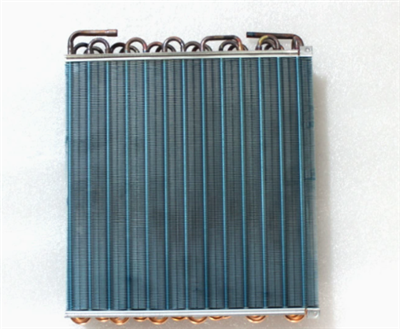
So, there you have it – the main cost – benefit analysis factors of finned tubes. When you’re considering buying finned tubes, it’s important to look beyond the initial cost and consider all these factors. Energy efficiency, maintenance and durability, performance, lifespan, and market conditions all play a role in determining the overall cost – effectiveness of the tubes.
Evaporator If you’re in the market for finned tubes, I’d love to help you make the right choice. I’ve got a wide range of finned tubes to suit different needs and budgets. Whether you’re in the HVAC industry, power generation, or any other industry that needs heat transfer solutions, I can provide you with high – quality finned tubes at a competitive price. Just reach out to me, and we can start discussing your specific requirements. Let’s work together to find the best finned tube solution for your business!
References
- Incropera, F. P., & DeWitt, D. P. (2002). Fundamentals of Heat and Mass Transfer. John Wiley & Sons.
- Holman, J. P. (2002). Heat Transfer. McGraw – Hill.
Xiangshui Derkang Refrigeration Equipment Co., Ltd.
As one of the most professional finned tube manufacturers in China, we’re featured by quality products and low price. If you’re going to buy discount finned tube, welcome to get quotation from our factory. We also accept customized orders.
Address: No. 2, Xiaojian Town Entrepreneurship Park, Xiangshui County
E-mail: 505745223@qq.com
WebSite: https://www.xsderk.com/
