Hey there, fellow road enthusiasts! I’m a supplier of road guardrails, and I’m pumped to dive into the nitty – gritty of how these essential safety features work in construction zones. Road Guardrail
Let’s start by understanding why road guardrails are so crucial in construction areas. Construction zones are like a hornet’s nest of activity. There are workers scurrying around, heavy machinery moving in and out, and the regular flow of traffic trying to navigate through a maze of cones and barriers. It’s a situation filled with potential hazards, and that’s where road guardrails step in as the unsung heroes.
The Basic Function of Road Guardrails
At their core, road guardrails are designed to do two main things: redirect and absorb. First up, redirection. Picture a car that’s gone off – track in a construction zone. Maybe the driver got distracted by all the action around the site, or there was an unexpected pothole. Without a guardrail, that vehicle could easily veer into the construction area, hitting workers or machinery. But when there’s a well – placed guardrail, it acts like a firm hand, gently guiding the vehicle back onto the road.
As for absorption, it’s all about reducing the impact of a collision. When a car hits a guardrail, the guardrail is engineered to deform in a controlled way. This deformation process takes a lot of the energy from the crash, much like a shock absorber on a car. By absorbing the energy, it lessens the force that the vehicle and its occupants feel, which can mean the difference between a minor fender – bender and a serious accident.
Types of Road Guardrails Used in Construction Zones
There are a few different types of road guardrails that we supply, each with its own unique properties and uses.
W – Beam Guardrails
These are probably the most common type you’ll see on the roads. They’re made of a steel beam that’s shaped like a "W". The shape gives them a great combination of strength and flexibility. They’re relatively easy to install and can be easily replaced if they get damaged. In a construction zone, W – beam guardrails are often used to line the edges of the road, separating the traffic from the construction work. They’re pretty good at redirecting vehicles and can absorb a fair amount of impact energy.
Box Beam Guardrails
Box beam guardrails are another option. They’re made from a box – shaped steel structure. Compared to W – beam guardrails, they’re usually stronger and more rigid. This makes them a good choice for high – speed areas or places where there’s a higher risk of a serious collision. In construction zones near highways or busy thoroughfares, box beam guardrails can provide an extra layer of protection. Their design is also less likely to snag on a vehicle during a collision, which helps to keep the vehicle from rolling over.
Cable Guardrails
Cable guardrails consist of high – tension cables that are supported by posts. They’re a bit different from the steel beam guardrails. Cable guardrails are more flexible, and they work by stretching when a vehicle hits them. This stretching action helps to absorb the energy of the impact. They’re often used in areas where there’s a lot of open space, like along the sides of roads in rural construction zones. They’re also a cost – effective option, as they’re generally cheaper to install and maintain than some of the other types of guardrails.
Installation and Placement in Construction Zones
Getting the installation and placement of road guardrails right is super important. It’s not just about slapping them up anywhere.
Site Assessment
Before we even start thinking about installation, we do a thorough site assessment. We look at things like the speed limit of the road, the volume of traffic, the layout of the construction area, and the terrain. For example, if it’s a hilly construction zone, we need to make sure the guardrails are installed at the right angles to effectively redirect vehicles. If the traffic is heavy and moving fast, we might opt for a more robust type of guardrail.
Proper Post Spacing
The spacing between the posts that support the guardrails is crucial. If the posts are too far apart, the guardrail won’t be able to withstand the impact of a vehicle. On the other hand, if they’re too close, it can be more expensive and time – consuming to install. We follow industry standards for post spacing, which can vary depending on the type of guardrail and the specific conditions of the construction zone.
Alignment
The guardrails also need to be properly aligned. They should be straight and at the right height. If a guardrail is misaligned, it might not redirect a vehicle as intended, or it could cause a vehicle to get caught on it, potentially leading to a more serious accident. We use precise measuring tools to ensure that the guardrails are installed exactly where they need to be.
Maintenance of Road Guardrails in Construction Zones
Once the guardrails are installed, the job isn’t done. Regular maintenance is key to keeping them in good working condition.
Inspections
We recommend regular inspections of the guardrails in construction zones. This can be done daily or at least a few times a week, depending on the activity level of the construction site. During an inspection, we check for any signs of damage, such as dents, bends, or loose connections. If we find any issues, we need to address them right away.
Repairs and Replacements
If a guardrail is damaged, it’s important to repair or replace it as soon as possible. A damaged guardrail might not function properly in the event of a collision. For minor damage, we can often make repairs on – site. But for more serious damage, we might have to replace the entire section of the guardrail. We always keep a stock of replacement parts on hand to ensure that we can make these repairs quickly.
Cleaning
Cleaning the guardrails might not seem like a big deal, but it’s actually important. Dirt, debris, and rust can weaken the guardrails over time. We use special cleaning agents to remove dirt and rust, which helps to extend the lifespan of the guardrails.
Why Choose Our Road Guardrails
As a road guardrail supplier, we take a lot of pride in what we do. We offer high – quality guardrails that are made from top – notch materials. Our team has years of experience in the industry, and we know how to choose the right type of guardrail for each specific construction zone.

We also provide excellent customer service. From the initial site assessment to the final installation and maintenance, we’re with you every step of the way. We understand that construction projects have tight deadlines, and we work hard to make sure that we can deliver the guardrails on time and within budget.
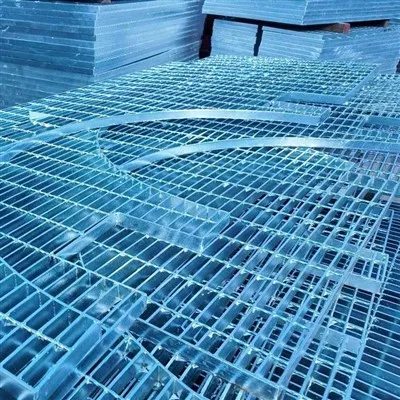
Steel Grid If you’re working on a construction project and need reliable road guardrails, don’t hesitate to reach out. We’re here to help you keep your construction zone safe and your traffic flowing smoothly. Whether you’re in charge of a small local project or a large – scale highway construction, we’ve got the right solution for you. Contact us to discuss your needs and get a quote. We look forward to working with you!
References
- AASHTO (American Association of State Highway and Transportation Officials). "A Policy on Geometric Design of Highways and Streets."
- FHWA (Federal Highway Administration). "Roadside Design Guide."
Anping Chengshuai Slope Protection Engineering Manufacturer
As one of the most reliable road guardrail manufacturers and suppliers in China, we have world-leading production equipment and strong manufacturing capabilities. Please rest assured to buy cheap road guardrail for sale here from our factory. For price consultation, contact us.
Address: 200 meters east of Wanghulin Village, Anping County, Hengshui City, Hebei Province, China.
E-mail: elfwangwang@gmail.com
WebSite: https://www.chengshuaislopeprotection.com/
