Can a plastic black garden fence be used for a wildlife sanctuary? That’s a question I’ve been getting a lot lately as a supplier of plastic black garden fences. And let me tell you, it’s a pretty interesting topic to dig into. Plastic Black Garden Fence

First off, let’s talk about what a wildlife sanctuary is. It’s basically an area where wild animals can live and thrive without too much human interference. These places are super important for protecting different species and maintaining biodiversity.
So, can our plastic black garden fences fit the bill for a wildlife sanctuary? Well, there are a few things to think about.
Advantages of Using Plastic Black Garden Fences
Durability
One of the big perks of plastic fences is that they’re tough as nails. They can stand up to all kinds of weather, whether it’s scorching heat, freezing cold, or heavy rain. In a wildlife sanctuary, you need something that’s going to last. You don’t want to be constantly replacing the fence because it’s fallen apart due to the elements. Our plastic black garden fences are designed to be long – lasting, which means less maintenance and more money saved in the long run.
For example, metal fences can rust over time, especially in humid climates. Wooden fences can rot or get damaged by termites. But plastic? It’s resistant to all those problems. So, for a wildlife sanctuary that might be in a remote area and hard to access for frequent repairs, a plastic fence is a good choice.
Visibility
The black color of our garden fences can actually be an advantage when it comes to wildlife. It doesn’t stand out too much from the natural environment. In a wildlife sanctuary, you want to create a sense of a natural habitat for the animals. A bright, flashy fence might startle or stress the animals. The black plastic fence, on the other hand, kind of blends in, allowing the animals to feel more at ease.
It also doesn’t interfere with the view for visitors who come to the sanctuary. People can still enjoy watching the animals without having a big, obtrusive fence in the way. For instance, if you’re trying to observe birds in a wetland area of the sanctuary, a black plastic fence isn’t going to block your view as much as a solid, opaque structure.
Safety
Our plastic black garden fences are designed with safety in mind. They don’t have sharp edges like some metal fences. This is really important for wildlife. Animals could easily injure themselves on a sharp – edged fence if they run into it or try to squeeze through. With our plastic fence, the risk of injury is much lower.
Moreover, plastic is non – toxic. So, if an animal nibbles on the fence out of curiosity (which is possible in a wildlife setting), it won’t get poisoned. This is a huge advantage when compared to some older – style fences that might have been treated with chemicals that could be harmful to animals.
Cost – effectiveness
Setting up a wildlife sanctuary can be expensive. There are so many things to consider, from land acquisition to animal care. Our plastic black garden fences are a cost – effective option. They’re generally cheaper than other types of fencing materials like wrought iron or high – end wooden fences.
This means that the money saved on fencing can be put towards other important aspects of the sanctuary, like building better habitats for the animals or hiring more staff to take care of them. For smaller wildlife sanctuaries that are on a tight budget, our plastic fence can be a real lifesaver.
Considerations and Potential Drawbacks
Limited Support for Climbing Plants
In a wildlife sanctuary, you might want to encourage the growth of climbing plants to provide more cover and food sources for the animals. While plastic fences are strong, they don’t offer the same kind of support as wooden or metal fences for climbing plants.
Plants like ivy or clematis have a hard time attaching themselves to the smooth surface of plastic. This could be a bit of a bummer if you’re aiming to create a more natural, plant – rich environment. However, you could always use some additional support structures like trellises near the fence to help the plants grow.
Adequate for All Animals?
Not all animals are the same, and some might be able to get through or over a plastic fence more easily than others. Smaller rodents or agile animals might be able to squeeze through the gaps in the fence design. And larger, stronger animals could potentially push the fence over if it’s not properly installed.
To address this, we offer different types of plastic black garden fences with varying levels of strength and gap sizes. You can choose the one that’s most suitable for the types of animals in your sanctuary. For example, if you have a lot of small ground animals, you can go for a fence with smaller gaps. And for larger animals, you can choose a heavier – duty, more securely installed option.
Impact on Soil and Vegetation
When installing a plastic fence, you need to be careful not to disrupt the soil and existing vegetation too much. The post – holes for the fence can compact the soil, which might affect the growth of plants in the area. Also, if the fence is installed too close to certain plants, it could block sunlight and water flow.
That’s why it’s important to plan the installation carefully. You can work with a professional or follow some simple guidelines to minimize the impact on the sanctuary’s ecosystem. For example, you can use a smaller – diameter post to reduce soil compaction or space the fence far enough from important plants.
Real – world Examples
I’ve heard from a few wildlife sanctuaries that have used our plastic black garden fences. One in a rural area was trying to protect a small wetland area from human encroachment. They chose our fence because of its durability and the fact that it blended in with the natural surroundings.
The staff at the sanctuary were really happy with the results. The fence held up well against strong winds and heavy rain, and it didn’t look out of place. The animals seemed to be unaffected by the fence, and visitors were able to enjoy the wetland without getting too close and disturbing the wildlife.
Another sanctuary, which focused on protecting small mammals, used our fence with smaller gaps. They found that it effectively kept the animals within the designated area while still allowing for proper air circulation and visibility. The low – maintenance aspect of the plastic fence was also a huge plus for them since they had limited resources for upkeep.
Conclusion
So, can a plastic black garden fence be used for a wildlife sanctuary? In most cases, the answer is yes. It has many advantages like durability, cost – effectiveness, safety, and good visibility. However, there are some considerations to keep in mind, like support for climbing plants and the needs of different animals.
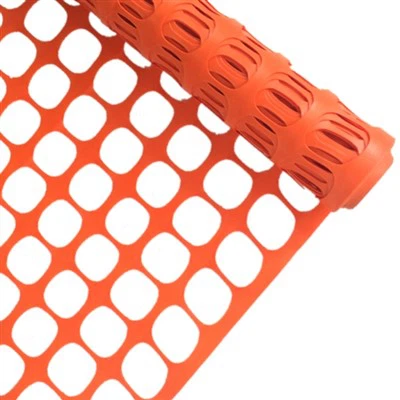
If you’re running a wildlife sanctuary or planning to start one, I’d love to have a chat with you about how our plastic black garden fences can work for you. Every sanctuary is unique, and we can help you find the right fence solution that meets your specific requirements. Whether it’s a custom – sized fence or a particular style, we’ve got you covered. Reach out for a detailed discussion and let’s see how we can make your wildlife sanctuary even better.
Plastic White Garden Fence References
- "Wildlife Habitat Management", by various authors in the field of environmental science
- "Fencing Materials and Their Impact on Ecosystems", research papers from ecological research institutions
Shaoxing Yongte Plastics Co., Ltd.
We are one of the most reliable plastic black garden fence manufacturers and suppliers in China, specialized in providing high quality customized products. We warmly welcome you to wholesale discount plastic black garden fence for sale here from our factory. Contact us for pricelist and free sample.
Address: INDUSTRIAL PARK, LIZHU TOWN, KEQIAO DISTRICT, SHAOXING CITY, ZHEJIANG PROVINCE
E-mail: support@sxxyongte.com.cn
WebSite: https://www.fenceplastic.com/
