If you’ve ever stretched out in your favorite pair of leggings, zipped up a shapewear piece that actually holds its shape, or worn a swimsuit that still fits like a glove after a whole summer of pool days, you’ve probably interacted with spandex covered yarn (SCY) without even knowing it. As someone who’s been supplying this stuff for over a decade—talking to fashion designers, apparel manufacturers, and even small-batch indie brands on the regular—I can tell you SCY isn’t just some random “technical fabric add-on” that no one thinks about. It’s the behind-the-scenes workhorse that makes most modern fashion feel like it’s actually designed for real people, not just mannequins. Let me break down what it does, why it’s non-negotiable right now, and why anyone in fashion should care about it. Spandex Covered Yarn
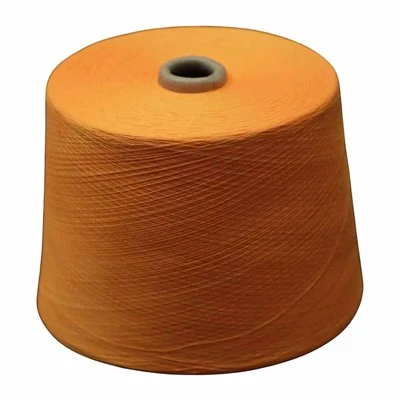
First off, let’s keep it simple: what is spandex covered yarn anyway? I get it, a lot of people throw around terms like “spandex,” “lycra,” “elastane” like they’re all the same, but SCY is a specific type of yarn that’s made by wrapping a core of spandex (that super stretchy, bouncy stuff) with a outer layer of another fiber—usually cotton, polyester, nylon, or sometimes even rayon. The core is where all the stretch comes from; the outer layer is what gives the yarn its feel, its color, its texture, and how it plays nice with other fabrics. I like to explain it like a burrito: the spandex is the warm, stretchy bean filling that makes everything work, and the outer fiber is the tasty tortilla that you actually see and touch. That’s exactly what SCY is.
Now, let’s get into the role it plays in fashion, because that’s where most of the value happens. The biggest one? It’s what makes stretch feel good, not just functional. Back in the day, if you wanted stretch in your jeans or a top, you’d add a little straight spandex, but that stuff could feel weird—like wearing a rubber band, or it would pill super fast, or it would lose its stretch after a few washes. SCY solved that. Because the outer layer is a regular fiber, it feels soft against your skin, it takes dye way better so the color doesn’t fade, and it blends seamlessly into other fabrics. For example, take leggings—most good quality leggings (not the $5 pair that falls apart after one wear) are made with nylon covered spandex. The nylon gives that smooth, slightly glossy look people love, the spandex core gives it that 4-way stretch that moves with you when you squat or run, and the whole thing holds its shape even after 50 washes. That’s SCY doing its thing.
Then there’s the shapewear game. Shapewear has come a long way from those rigid, scratchy girdles your grandma might have worn. Modern shapewear is all about compression that’s comfortable, not painful, and SCY is the secret to that. You use a blend of nylon and spandex core for compression zones (like the waist, thighs, arms) and sometimes even polyester for areas that need a little more structure. The wrapped design means the spandex isn’t exposed, so it doesn’t feel tight or rubbery, and it can be woven or knit to create different levels of compression. I’ve had clients come to me complaining that their old shapewear would roll down all day, and 9 times out of 10, it was because they weren’t using the right SCY—they were using straight spandex that didn’t have enough outer fiber grip, or the wrap was too loose so the stretch was inconsistent. That’s the kind of small detail that makes or breaks a product, and most people in the fashion world don’t even realize it.
Swimwear is another big one. If you’ve ever worn a swimsuit that still fits like it did when you bought it, even after being in chlorine or saltwater, thank SCY. Swimwear needs to be stretchy enough to move, durable enough to hold up to sun and chemicals, and not fade after a few weeks at the beach. Nylon covered spandex is the go-to here because nylon is resistant to chlorine and sun damage, and the spandex core gives it that stretch that comes back. I know a lot of small swimsuit designers who swear by polyester covered spandex too—polyester has its own stretch, so adding a spandex core makes it even more flexible, and it doesn’t get that weird saggy feel that some swimsuits get over time. Without SCY, swimwear would be way less comfortable and way less long-lasting, which would be a huge bummer for everyone who loves spending time by the water.
But it’s not just activewear and swimwear—SCY is everywhere in everyday apparel. Jeans, for example, most mid-rise and high-rise jeans have a little bit of cotton covered spandex in the denim. How much? Usually 2-5%, which is enough to give them that little bit of give when you sit down, bend over, or eat a big meal without feeling like your jeans are about to split. Ten years ago, jeans were 100% cotton, and they were super stiff—you had to break them in, they’d shrink if you washed them in hot water, and they didn’t have that stretchy, comfortable feel people expect now. SCY changed that. Even casual tops, t-shirts, hoodies—adding a small percentage of SCY (usually cotton or modal wrapped) makes the top fit better, not cling too much, and move with your body. I’ve had a lot of regular people tell me they hate wearing t-shirts that feel baggy or restrictive, and that’s because they’re missing that tiny bit of stretch from SCY.
Now, let’s talk about why SCY is more important than ever right now, because the fashion industry is going through a huge shift. Fast fashion is out (well, people are starting to care more about quality over quantity), and inclusive sizing is huge. SCY is a huge part of both of those things. For inclusive sizing—sizes XS to 4XL, or even beyond—you need apparel that fits different body shapes, not just a standard size medium. SCY gives you the stretch and recovery to make a piece that works for a wider range of bodies. For example, a dress that has SCY in the skirt and waist can fit someone who’s a size 12 or a size 16, because the stretch adapts, not just the size. That’s a game-changer for brands that want to make clothes that actually work for real people, not just the small sample sizes.
Then there’s sustainability. Wait, I know that sounds counterintuitive—people think stretchy fabrics are synthetic, so they’re bad for the environment—but SCY is actually helping with sustainability in the fashion industry. How? First, it makes clothes last longer. A pair of leggings with good SCY will last for 20-30 washes, whereas a pair without will fall apart after 5-10. That means people don’t have to replace their clothes as often, which cuts down on textile waste. Second, there are now sustainable SCY options—we supply ones made with recycled polyester or recycled nylon outer layers, and even plant-based spandex cores (from corn or soy, not petroleum). So brands can make stretchy, comfortable clothes without contributing to more plastic waste. I’ve had a lot of clients ask about this lately—they don’t want to sacrifice stretch for sustainability, so SCY is the middle ground that works for both.
But it’s not all sunshine and stretch. There are challenges with SCY, too. One of the biggest ones is that if it’s made wrong, it can cause problems. If the spandex core is too thin, the yarn will lose its stretch after a few washes. If the outer wrap is too tight, it can feel scratchy or pilling. If the tension is off during the covering process, the stretch will be uneven—so one side of the fabric will stretch more than the other, which makes clothes twist or warp when you wear them. That’s why as a supplier, we’re super picky about our SCY—we test every batch for stretch recovery, pilling resistance, color fastness, and how it works with different fabrics. We work directly with manufacturers to figure out exactly what kind of SCY they need, because every brand is different. A high-end yoga brand needs a different SCY than a fast fashion jeans brand, and a shapewear brand needs something totally different than a swimsuit brand.
I also want to touch on something a lot of people don’t talk about: SCY is a lot more versatile than you think. You can get it in different thicknesses—from super fine, thin yarn for lingerie or fine knits, to thick, heavy yarn for heavy denim or outerwear. You can dye it before it’s covered, so the outer layer is exactly the color you want, or you can dye it after it’s made, same as any other yarn. You can even get it with different textures—like twisted, textured, or brushed—so it works for everything from smooth, sleek activewear to cozy, fuzzy hoodies. That versatility is why it’s used in almost every category of fashion, from high-end couture to fast fashion basics.
Wait, let’s be real—you might be thinking, “Okay, but do I care as a consumer?” Let’s put it in perspective. Think about the last time you put on a piece of clothing and thought, “Wow, this feels amazing, it fits perfect, and I can wear it all day without adjusting it.” Chances are, that garment has SCY in it somewhere. It’s not a flashy, Instagrammable fabric like silk or linen, but it’s the reason those fabrics work so well. Silk is beautiful, but it’s not stretchy—add a little silk covered spandex, and you have a dress that looks like silk, feels like silk, and moves with you. That’s SCY doing its job.
Another thing that’s worth mentioning: SCY is also important for things like performance apparel, not just casual wear. For runners, hikers, gymnasts—anyone who does sports in their clothes—they need apparel that stretches, wicks moisture, and holds up to movement. SCY is what makes performance fabrics work. The spandex core gives the stretch, the outer layer (usually a technical polyester or nylon) wicks sweat, dries fast, and doesn’t hold odor. Without SCY, performance apparel would be stiff, uncomfortable, and not functional for actual activity. I know a lot of pro athletes who only wear brands that use high-quality SCY, because they don’t want their clothes to slow them down or irritate them during a workout.
Now, let’s get to how this all ties back to being a supplier. I’ve been doing this for long enough to know that not all SCY is created equal. A lot of cheap SCY out there is made with low-grade spandex or thin outer layers, so it doesn’t last, it pills, and it loses stretch fast. That ends up hurting the brands that use it, and ultimately, the consumers who buy the clothes. That’s why we focus on making SCY that’s consistent, durable, and works for whatever the brand needs. We work with small indie brands and big multinational companies alike, because we think good quality stretch should be accessible to everyone, not just the big players who can afford premium fabrics.
I also want to note that the demand for SCY is only going up. Post-pandemic, people are way more comfortable wearing stretchy, casual clothing all the time—think loungewear, athleisure, clothes that transition from work to dinner. That’s all driven by stretch, and SCY is the key to making that transition work without sacrificing style or comfort. Inclusive sizing, sustainability, performance apparel—all these trends rely on SCY in some way. It’s not going anywhere, and if anything, its role is getting bigger every year.
At the end of the day, fashion is about making people feel good, right? Whether you’re walking down the street, going to a workout, or just lounging at home, your clothes should make you feel comfortable and confident. Spandex covered yarn might be the quietest part of that equation, but it’s one of the most important. It turns rigid, stiff fabrics into something that moves with you, it makes inclusive sizing possible, it helps clothes last longer, and it’s a big part of the way fashion is evolving to meet what people actually need.
If you’re a fashion designer, apparel manufacturer, or brand owner looking for high-quality spandex covered yarn that works for your collection—whether it’s activewear, swimwear, denim, shapewear, or something else entirely—we’re here to help. We can walk you through different types of SCY, test batches for your specific needs, and make sure you get the right stretch, feel, and durability for your products. Don’t hesitate to reach out to chat through your project and see how our SCY can take your collection to the next level.
Spun Polyester Yarn References
Tortora, P. G., & Merkel, R. S. (2021). Fairchild’s Dictionary of Textiles (8th ed.). Bloomsbury Publishing.
Clark, M. (2022). Stretch Fabrics in Apparel: Technology and Applications. Textile Progress.
Ellen MacArthur Foundation. (2021). The Future of Fashion: Rethinking Textiles for a Circular Economy.
Smith, J. A. (2020). Sustainable Elastomeric Fibers and Yarns for Fashion. Journal of Textile and Apparel, Technology and Management.
Zhuji Yuanhui Import & Export Co., Ltd.
Zhuji Yuanhui Import & Export Co., Ltd. is one of the most professional spandex covered yarn manufacturers and suppliers in China. With abundant experience, we warmly welcome you to buy high-end spandex covered yarn made in China here from our factory. If you have any enquiry about quotation and free sample, please feel free to email us.
Address: No.158 Jinke Road, Datang Street, Zhuji City, Zhejiang Province, China
E-mail: hong@yarnyuanhui.com
WebSite: https://www.yarnfty.com/
