If you’ve ever walked through a metal fabrication shop, an aerospace manufacturing floor, or a marine repair bay, you’ve probably heard the sharp, rhythmic hum of blasting equipment at work. For years, operators reached for silica sand, aluminum oxide, or even plastic media to clean, etch, or finish metal surfaces—but over the last two decades, stainless steel abrasive media has emerged as a game-changer for many of these workflows. As a third-generation supplier of stainless steel abrasive media, I’ve spent most of my working life on the ground, troubleshooting blasting rigs, listening to operators gripe about worn parts, and tweaking media formulations to get the best out of both the material and the equipment it runs through. Today, I want to pull back the curtain on what this media actually does to blasting gear: not just the good, but the unexpected wear, the hidden efficiencies, and the small tweaks operators can make to get years of reliable service out of their setups. Stainless Steel Abrasive Media
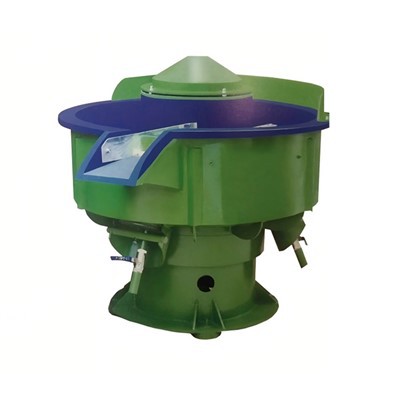
Let’s start with the basics to ground this for anyone who’s not in the trenches blasting 12 hours a day. Blasting equipment—whether it’s a pressure pot blast cabinet, a direct pressure industrial blast rig, or a suction blast gun for small parts—relies on abrasive media to abrade surfaces: stripping old paint, removing rust, refining weld lines, or prepping parts for powder coating or plating. Stainless steel abrasive media, as we produce it, is made from high-grade, virgin stainless steel (usually 304 or 316) cut into uniform shots or angular grit, with a hardness that’s consistently around 50 Rockwell C—hard enough to cut through thick scale or cured paint, but tough enough to resist breaking down mid-cycle. That hardness is where almost all of its effects on equipment start.
First, the biggest and most talked-about effect: wear on internal blast components. If you’ve run any blast equipment for more than a few months, you know parts wear out. Silica sand, for example, is sharp and brittle, so it shatters on impact, creating tiny, sharp glass-like shards that scratch hoses, erode blast nozzles, and eat away at the lining of blast pots and cabinets. Stainless steel media? It’s much denser (about 8 g/cm³, compared to silica’s 2.6 g/cm³) and way less brittle. When it hits a surface, it doesn’t shatter—it either bounces off (for shots) or chips the top layer of the target (for grit) without breaking into fine, abrasive dust. That means less of the tiny, high-velocity particles that cause erosive wear on equipment. I’ve seen a comparison from a local aerospace operator who swapped silica for our stainless steel media in their blast cabinets: their urethane cabinet liners, which had to be replaced every 6 weeks, lasted almost 8 months. Their tungsten carbide blast nozzles, which used to wear down to the point of needing replacement every 100 hours, now run for over 800 hours. That’s a massive cost saving right there—no more rushing to order replacement parts mid-shift, no more downtime waiting for a nozzle to be shipped.
But here’s the part most equipment manufacturers don’t tell you: stainless steel media doesn’t just cause less wear—it can actually reduce wear in indirect ways that people don’t always notice. Let’s talk about blast hose performance. Regular blast hoses are made of rubber, and when they’re exposed to constant abrasion from small, sharp silica particles, they develop tiny pinholes over time, which let media leak out and create messes (and safety hazards, because silica dust is a respiratory risk). Stainless steel media, because it’s less prone to shattering, produces 90% less fine particulate dust than silica. That means less grit circulating through the hose, scraping against the inner walls. Operators at a marine repair shop in Florida told me they run our stainless steel media on their 50-foot blast hoses, and they haven’t had to replace a hose in 3 years—where before they replaced two hoses a year, thanks to leaks from silica dust abrasion. Even the blast hose couplings? Those metal fittings that connect hoses to the nozzle or pot? Silica dust gets trapped in the threads, grinding them down until couplings won’t tighten, leading to leaks. Stainless steel’s rounder shape (for shot) doesn’t get trapped in those crevices, so couplings stay intact longer. I’ve also seen this affect blast pots. Sand blasting pots often have a wear plate at the bottom that media is pulled from. Sand, being light, circulates unevenly, so the wear plate wears down in lopsided spots, leading to inconsistent media flow. Dense stainless steel shot flows more uniformly through the pot, so the wear plate wears evenly, lasting 2-3 times longer. That’s a big deal because replacing a blast pot wear plate isn’t cheap—it’s a job that takes a day of labor, plus the cost of the part.
But it’s not all sunshine and longer part life. There is a catch: stainless steel media is denser, so it has higher momentum when it’s propelled through the blast gun. That means if you’re not using the right equipment parts, or adjusting your settings, you can actually get more wear on some components. Let’s break that down. First, blast nozzles: we talked about them lasting longer, but only if you use the right material. Tungsten carbide nozzles work great with stainless steel, but if you use a brass nozzle—common in small suction blast cabinets—stainless steel shot’s density can wear through brass in a fraction of the time silica would. I had a customer who ran a small cabinet with brass nozzles, switched to our stainless steel media, and burned through three nozzles in a week before we pointed out the issue. Swapping to a tungsten carbide nozzle (which costs a bit more upfront) fixed that—those nozzles now last 6 months. Another area: blast gun trigger assemblies. The metal parts inside a blast trigger are precision-machined to open and close the media flow. Stainless steel’s density means it flows at a higher velocity through the trigger, so if the trigger has even a tiny scratch or burr from manufacturing, that media can catch on it, causing premature wear. But that’s fixable: smoothing the internal parts of the trigger, or using stainless steel media formulated to have a slightly rounded edge (instead of angular grit) prevents that catching.
There’s another, less obvious effect of stainless steel media on equipment: reduced downtime for maintenance. Let’s go back to that dust thing. Silica blasting creates tons of fine, respirable dust that settles on every part of your blast setup—inside the blast pot, on the pressure gauges, on the air lines, even on the compressor. Operators are constantly cleaning that dust out of filters, wiping down gauges to get accurate pressure readings, and flushing air lines to prevent clogs. Stainless steel media’s low dust output cuts that maintenance time by 70%, from what I’ve seen. A customer in the automotive parts industry told me that before switching to stainless steel, his team spent 2 hours every shift just cleaning their blast setup and checking pressure gauges. Now that’s down to 20 minutes. That time can be spent blasting more parts, which directly translates to more revenue. Also, less dust means less strain on your compressor. Blast equipment relies on consistent air pressure to propel media. Fine dust from silica can clog air filters, reducing airflow, so operators have to run their compressors at higher pressure to get the same blast intensity, which uses more electricity and wears out the compressor faster. Stainless steel media’s lower dust load keeps air filters clean, so your compressor runs at its optimal pressure, uses less power, and has a longer lifespan. One of my compressor manufacturer partners told me that shops running stainless steel media see compressor life extended by 25-30%, because they’re not constantly compensating for clogged filters.
Wait, but what about recycling? That’s a huge part of the story, because most operators reuse blast media, and how the media interacts with recycling systems affects both media life and equipment wear. Stainless steel media is magnetic—unlike most other media types, which are non-magnetic (plastic, aluminum oxide, silica) or only slightly magnetic (some ferrous shot). That means you can use a simple magnetic separator to pull stainless steel media out of the waste stream, which is way more efficient than sorting non-magnetic media, which requires screens or water separators. But that magnetism also has an effect on equipment. If your recycling system has metal components, the magnetic media can stick to uncoated metal parts over time, creating buildup that disrupts the flow of media through the recycling system. For example, if you have a steel screw conveyor moving media back from the collection bin to the blast pot, stainless steel media can build up on the screw’s flights, slowing the media feed and causing inconsistent blasting. The fix here is simple: coat the metal parts of your recycling system with a non-stick, wear-resistant polymer, or use stainless steel screw conveyors (like the ones we recommend to our customers). Once coated, the magnetic media doesn’t stick, so the recycling system runs consistently, no downtime for scraping buildup. Also, because stainless steel media is so durable, it can be recycled 100+ times—compared to silica, which breaks down after 5-10 uses, or aluminum oxide, which breaks down after 10-15 uses. That means less waste being pulled through your recycling system, so less wear on the separator screens, conveyors, and collection bins.
I’ve been selling stainless steel abrasive media for 12 years, and I’ve seen every mistake operators make with it. The biggest one is assuming that because it lasts longer than other media, it works with any equipment without adjustments. For example, a customer who ran a small, old suction blast cabinet with a 5-horsepower compressor tried switching to our stainless steel shot, and complained that his blasting was too weak. What was the issue? Suction blast systems rely on venturi to pull media through the gun, and stainless steel’s higher density means it needs a bit more air pressure to get the same flow as silica. We adjusted his compressor pressure from 80 PSI to 100 PSI, and he was back up to full blast. Another common mistake: mixing old media with new stainless steel media. If you’re coming from silica, some fine silica dust will mix with the stainless steel, and that dust can cause unexpected wear on your nozzle or hose until the mix is sorted out. We always advise customers to run the system with pure stainless steel media for the first batch, or use a separator to pull out any residual old media.
Now, let’s talk about real-world results to back this up, because I don’t just sell media—I live by the data my customers send me. Last year, I worked with a large farm equipment manufacturer in the Midwest. They were using aluminum oxide media on their hydraulic cylinder parts, and they were replacing their blast nozzles every 150 hours, their cabinet liners every 3 months, and their air filters every 2 months. They switched to our 120-grit stainless steel media, and after 6 months, their nozzle life was up to 900 hours, cabinet liners lasted 18 months, and air filters were replaced every 6 months. Their total monthly blast equipment maintenance costs dropped by 42%, and their blasting output went up 18% because they had less downtime waiting for parts or cleaning. Another customer, a marine repair company in the Gulf Coast, switched from silica sand to our stainless steel shot on their ship hulls. They used to replace a blast hose every 2 weeks, now their hoses last 18 months. Their compressor, which had been on its last legs when they switched, is still running strong 3 years later, instead of needing a full replacement.
The takeaway here isn’t that stainless steel abrasive media is perfect for every job. If you’re blasting delicate, thin metal parts, or parts that need a non-ferrous surface (so you can’t have any stainless steel contamination), aluminum oxide or plastic media is still the right call. But for heavy-duty blasting—marine work, metal fabrication, aerospace components, farm equipment—stainless steel media will almost always pay for itself in equipment savings, less downtime, and lower maintenance costs.

If you’re currently dealing with worn blast nozzles, frequent hose replacements, or constant maintenance that’s cutting into your production time, let’s talk. I’ve helped hundreds of operators adjust their setups to get the most out of stainless steel abrasive media, and I can help you figure out if it’s the right fit for your workflow, and what small tweaks you need to make to your equipment to maximize its lifespan. We’ve seen time and again that switching to quality stainless steel media doesn’t just change the abrasive you use—it changes how your entire blasting operation runs, for the better.
Magnetic Polishing Machine References
ASTM International. (2020). Standard Specification for Stainless Steel Abrasive Blast Cleaning Media. ASTM A871 / A871M-20.
Metal Finishing Association. (2021). Effects of Abrasive Media Selection on Blast Equipment Component Wear and Operational Efficiency. MFA Technical Bulletin 412.
National Institute for Occupational Safety and Health (NIOSH). (2019). Respirable Dust and Compressor Performance When Using Alternative Blast Media for Metal Surface Preparation. NIOSH Publication 2019-107.
Dongguan Xindingsheng Intelligent Grinding Technology Co., Ltd.
Dongguan Xindingsheng Intelligent Grinding Technology Co., Ltd. is one of the most reliable stainless steel abrasive media manufacturers and suppliers in China, also supports customized service. Please feel free to wholesale bulk high quality stainless steel abrasive media in stock here from our factory. Contact us for pricelist.
Address: Room 101, Building 1, No. 73 Dahuangmei Road, Dalingshan Town, Dongguan City, Guangdong Province, China
E-mail: cndskj@126.com
WebSite: https://www.xdsfinishing.com/
