Hey there, let’s cut to the chase: if you’re gearing up for a winter vacation, your overcoat isn’t just another layer—it’s your weather shield, your outfit anchor, and the thing that’ll make you glad you didn’t grab that ratty old jacket you’ve had since college, trust me. I’ve been in the overcoat game for years, working with folks who travel for ski trips, city breaks in Europe, and even those random warm-leaning winter spots that still require something substantial (looking at you, rainy Edinburgh in December). So let’s skip the fancy fashion jargon and get real about how to pick the right one—no fluff, just stuff that actually works when you’re away from home. Overcoat
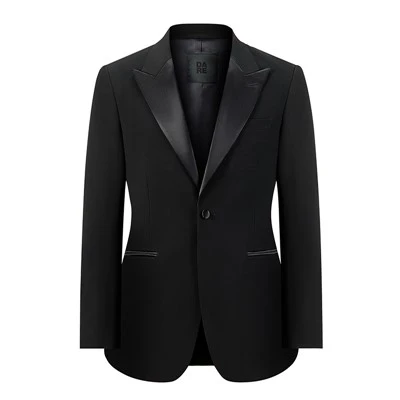
First off, let’s talk weather—the biggest variable here, and something way too many people skip. I can’t tell you how many times a customer has come to me in a panic because they grabbed a thin wool coat for a trip to Montreal, only to realize it’s -15C and the wind is cutting right through. Winter vacations aren’t one-size-weather, right? You might go from a cozy alpine chalet with -20C nights to a day wandering Stockholm’s cobblestones that’s just 0C with a drizzle. So first step: nail down your main destination’s “real feel,” not just the average temp. Pro tip: check the “feels like” temperature on a weather site, not the high/low. If that number’s below 0C, you need a coat that’s built for cold, not just “chilly.” If it’s hovering around 5C with wind, you can go a bit lighter, but still need protection. And if you’re hitting a place like Boston in January that swings between freezing and slushy? Water resistance is non-negotiable, not a bonus.
Next, fabric—this is where most people make a mistake. Let’s break it down simply, no textile science degrees needed. Wool is the OG, right? But not all wool is the same. If you’re going somewhere super cold, go for a heavyweight wool (like 12-16 oz) — it’s insulating, it breathes so you don’t sweat through your layers, and it’s tough as nails. The only downside? It doesn’t handle slush or rain well, so if you’re hitting a city with messy winter weather, look for wool that’s been “meltonized” (that just means it’s been processed to be water-resistant on the surface, not waterproof, but way better than regular wool). If you need something more versatile for mix of cold and mild wet? Go for a wool-poly blend, or even a high-quality polyester down alternative. Wait, hear me out—polyester has come a long way. It’s water-resistant (most of the good stuff is), it’s lightweight so you don’t bulk up, and it dries in 10 minutes if you spill hot cocoa on it. Down is another option, but only if you’re in extreme cold (like snowboarding in the Rockies). But down loses its insulation when it gets wet, so skip it if there’s any chance of rain or snow melt. And never, ever grab a cheap acrylic coat— it’s scratchy, it doesn’t insulate well, and it looks cheap even after one trip. I see this all the time: people buy a $50 coat for a vacation, and by the end of the week, it’s pilling, smelling like sweat, and they’re miserable. Spend a little more on fabric that works for the trip, not just the price tag.
Then there’s fit—this is make or break, especially when you’re traveling. How many of us have packed a coat that fits tight at home, only to realize you can’t fit a sweater and a flannel under it when you’re freezing? You need room for layers, but not so much that it’s swimming on you. A good rule: when you button the coat, you should be able to slide one hand comfortably between your chest and the fabric—no more, no less. If it’s too tight, you’re stuck wearing thin layers and freezing. If it’s too baggy, the wind will blow right in, and you’ll look like you’re drowning in clothing. Also, pay attention to length. For city breaks, a mid-thigh coat (hip to mid-thigh) is perfect—it works with jeans, dresses, leggings, whatever. For ski trips or places where you’re outside a lot, go longer—knee-length, so it covers your upper thighs, which are prone to getting cold when you’re standing in snow. And avoid extra-long coats that hit the floor unless you’re 6’2” or taller—they’ll drag in slush, get soaked, and make you trip on cobblestones. Trust me, I’ve seen it.
Pockets! Oh my god, pockets are the unsung hero of travel overcoats. When you’re on vacation, you don’t want to carry a big purse or fanny pack, right? You need places to stick your phone, your lip balm, your train ticket, those little candy bars you buy at the convenience store. So skip coats with tiny, useless pockets (you know the ones, the ones that only fit a credit card). You want deep pockets—at least 6 inches deep—so your phone doesn’t fall out when you bend over to tie your shoes. And if you’re going somewhere that’s super cold, look for pockets that are lined with fleece or wool—your hands will thank you. Bonus if there’s an inner pocket for your passport or credit card—keeps it safe from pickpockets when you’re in a busy square in Paris or New York. Details matter, y’all.
Function vs. style—this is the big debate people have, especially for vacations where you want to look good for photos or nice dinners. Newsflash: you don’t have to choose. I see so many people say “I want a stylish coat, so it has to be impractical.” No way. A well-made overcoat can be both. For example, a tailored wool-blend car coat with a hood (removable is fine) is stylish enough for a fancy dinner in Prague, but also keeps you warm when you’re walking to dinner through the snow. A trench coat? Wait, no—wait, a modern trench in a heavy cotton-poly blend with a insulated lining works for mild winters, looks great with jeans or a dress, and is water-resistant. The key is to pick a style that fits your vibe, but has the functional bits you need. If you’re a casual traveler who lives in jeans and sneakers, go for a relaxed-fit pea coat or a parka (but a sleek parka, not the bulky one you wear hunting). If you’re going for a more polished trip (like a city break in Milan), a tailored overcoat with a subtle pattern (windowpane, houndstooth) will look amazing in photos, and the heavy wool will keep you warm enough. The mistake people make here is picking a style that looks good in the store, but doesn’t work for their trip. If you’re hiking in the Swiss Alps, leave the cashmere blend coat at home—it’ll pill if you brush up against a pine tree, and it’s way too delicate. Pick a coat that matches your activity, not just your Instagram feed.
Wait, let’s talk about extra little features that make a huge difference on vacation. Cuffs that are adjustable—so you can seal them tight to keep wind out, or roll them up if you’re warming up mid-day. A removable hood (so you can take it off for dinner if you want, or put it on when it starts snowing). A storm placket— that extra layer of fabric over the buttons or zipper, so snow or rain doesn’t seep through. And the lining—if it’s a smooth, synthetic lining, it makes the coat easier to slide on over bulky layers, which is a lifesaver when you’re rushing to catch a train in the cold. A fuzzy lining is great for extra cold, but if it’s 5C, a smooth lining is better because it doesn’t make the coat feel bulky.
Let’s test this with real examples, because I know that helps. Let’s say you’re going on a 10-day trip to Aspen for skiing and apres-ski. Main weather: -5C to -15C, lots of snow, lots of time outdoors. What do you pick? A heavyweight nylon-poly blend parka (water-resistant, windproof), knee-length, deep fleece-lined pockets, adjustable cuffs, removable hood. It’s warm enough for skiing, looks good for apres-ski (pair it with black jeans and boots), and handles the snow. No need for a fancy wool coat here—you’ll be outside in deep snow, and wool would get wet and heavy. Now another example: a 5-day city break to Berlin in December. Weather: 0C to 5C, occasional light rain, lots of walking. Pick a mid-thigh wool-blend car coat, tailored fit, deep pockets, storm placket. It’s polished enough for Christmas markets or a fancy dinner, water-resistant enough for light rain, and the mid-thigh length keeps your legs warm while you’re walking. Perfect. One more: a 7-day trip to Toronto in January, mixing city walking and a day trip to Niagara Falls. Weather: -10C to 0C, slushy sidewalks. Pick a melton wool mid-length coat, water-resistant, fleece-lined pockets, inner pocket for passport. It handles the slush (way better than regular wool), keeps you warm, and works for both city and day trips.
Now, let’s talk about mistakes I see all the time, so you can avoid them. First: buying a coat that’s too small, trying to “slim down” your look on vacation. Newsflash: you’ll be wearing layers, so it needs room. Second: buying a coat that’s too trendy. That neon puffer coat that’s huge right now? Cool for a concert, but if you’re traveling for years, it won’t go with anything else, and it’s hard to style with multiple outfits. Pick a neutral color (black, navy, gray, camel) unless you really need a pop of color—neutral coats go with jeans, dresses, leggings, whatever, so you can reuse them. Third: forgetting to check the weight. A 10 oz wool coat is fine for mild winters, but it’s not enough for -10C. If you’re not sure, ask the seller (that’s me, by the way) — I always tell customers exactly what temp range a coat is built for. Fourth: skipping the return policy. Wait, this is huge. If you’re ordering online (and I know a lot of people do for travel gear), make sure the seller has a free return policy. You don’t want to end up with a coat that doesn’t fit or doesn’t work for your trip and be stuck with it. I always offer free returns because I want my customers to be happy, not stuck with something useless.
And one last tip: test the coat before you go. If you can, wear it around your house with the layers you’ll actually wear on vacation. Put on a sweater, a flannel, jeans, and then button the coat. Walk around, bend over, reach for something on a high shelf. Does it feel restrictive? Does the wind get in through the cuffs? Can you easily reach your pockets? This will save you so much stress when you’re at the airport, freezing, and realize your coat is garbage.
At the end of the day, a winter vacation overcoat is an investment, not just a piece of clothing. It’s something that’ll keep you comfortable while you’re making memories—whether that’s sipping hot cocoa in a chalet, wandering a Christmas market, or taking photos in front of a European landmark. If you pick the right one, you’ll reach for it trip after trip, not just that one vacation.

If you’re ready to chat about what works for your specific trip—whether you’re heading to a ski resort, a city, or a mix—reach out to us for a no-pressure consultation. We can walk through your destination, your planned activities, and what will keep you warm and looking good, no wrong choices. Let’s make sure your winter vacation is warm, stylish, and stress-free.
Overcoat References:
- International Climbers and Mountaineers Association. "Weather-Adaptive Outerwear Guidelines for Winter Travel." 2022.
- Textile Institute. "Performance Standards for Winter Outerwear Fabrics." 2021.
- Travel + Leisure. "2023 Winter Travel Gear Report: Essential Pieces for Cold Climate Vacations."
- American Meteorological Society. "Feels-Like Temperature Metrics for Winter Apparel Selection." 2020.
Ningbo Mantinno Fashion Co., Ltd.
As one of the most professional overcoat manufacturers and suppliers in China, we also support customized service. Welcome to wholesale bulk high quality overcoat in stock here from our factory. If you have any enquiry about quotation, please feel free to email us.
Address: Huijin Building, No.77 Heyi Road, Haishu District, Ningbo, Zhejiang, China
E-mail: helen@mantinno.com
WebSite: https://www.mantinnosuit.com/
