Hey everyone, Disposable Urological Irrigator
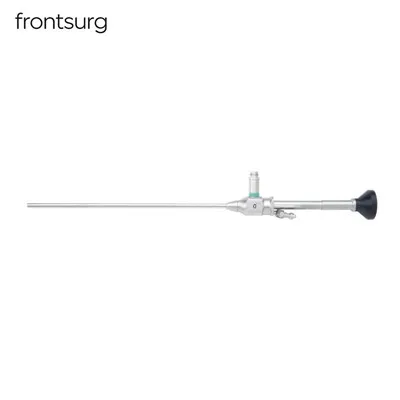
If you’ve ever had a family member or friend dealing with a urological condition—maybe a post-op kidney stone patient, someone with an indwelling catheter, or even a bladder issue that needs regular care—you’ve probably heard the term “disposable urological irrigator” thrown around. At our company, we work with these every single day, and I’m here to break down exactly what this thing does, why it’s non-negotiable in clinical settings, and why going disposable is a game-changer over the old reusable stuff. No stuffy jargon, just real talk from someone who actually sources these for hospitals and clinics.
First off, let’s get one thing straight: this isn’t some random plastic gadget. A disposable urological irrigator is a simple but critical medical device made up of a flexible plastic bag (usually holding 500 or 1000 mL of sterile solution), a thin, tight tubing line with a flow regulator (that little roller thing you squeeze to control how fast liquid comes out), and a tip that connects directly to catheters, suprapubic tubes, or nephrostomy tubes. It’s designed to flush sterile fluid through those tubes to clear out debris, mucus clots, blood clots, or medication residue that can build up and cause big problems.
Let’s start with the most common job it does: preventing catheter blockages. If someone has a Foley catheter (the kind that stays in the bladder to drain urine) after surgery, or because of a condition like benign prostatic hyperplasia (BPH) or urinary retention, urine can sometimes mix with small tissue bits, blood clots, or even sediment from medications. If that gunk clogs the catheter, urine can back up into the bladder, causing intense pain, swelling, and even a risk of urinary tract infections (UTIs) or bladder damage. That’s where the irrigator comes in. Instead of waiting for a nurse to manually flush the catheter with a syringe (which is time-consuming, and sometimes not thorough enough), the irrigator lets you deliver a steady, controlled stream of sterile saline or medicated solution (like an antiseptic or pain reliever) directly into the catheter to push that blockage out before it becomes a crisis.
I see this play out all the time with post-prostatectomy patients, by the way. After a transurethral resection of the prostate (TURP)—super common for men with BPH—there’s usually a lot of tiny blood clots from the procedure. Those clots are the #1 cause of blocked catheters in the first 24 to 48 hours after surgery, and a blocked catheter here can lead to something called urinary retention that requires emergency intervention. Nurses rely heavily on disposable irrigators during that window because they can adjust the flow rate to be gentle enough not to irritate the fresh surgical site, but strong enough to flush out clots. We’ve had clients tell us that switching to disposables cut their post-op catheter blockage rates by almost 30% last year—no joke.
Another big function is maintaining a clean, safe environment for tube-based drainage. Nephrostomy tubes, which go directly into the kidney to drain urine when the bladder or ureters are blocked, are even more prone to debris buildup. Kidney stones that break up with lithotripsy (shock wave treatment) leave tiny stone fragments that can get stuck in the nephrostomy tube, and urine can get thick with sediment if a patient is dehydrated. Irrigating these tubes regularly with a disposable irrigator (usually ordered by a doctor with a specific solution, like sterile water or a mild antibiotic) keeps the tube open, ensures urine is draining properly, and prevents those fragments from causing an infection in the kidney. The last thing anyone wants is a kidney infection that lands a patient back in the hospital—disposable irrigators help avoid that.
Wait, but why disposable specifically? I know some clinics used to use reusable irrigators back in the day, and I get why that seemed cheaper on paper at first. But let’s be real: reusable ones have so many downsides that make them way more expensive in the long run. First, sterility is non-negotiable in urology—any trace of bacteria left from not cleaning a reusable irrigator properly can lead to a UTI or even a systemic infection. We all know UTIs are the most common hospital-acquired infection, and they add days to a patient’s stay, not to mention big medical bills. Disposable irrigators come pre-sterilized in sealed packaging—you open it right when you need it, no rinsing, no autoclaving, no risk of cross-contamination between patients. That’s a huge win for infection control, which is a top priority for every hospital and clinic right now.
Then there’s the convenience factor. Nurses are swamped—they’re checking on multiple patients, administering meds, changing dressings, documenting everything. A disposable irrigator is ready to go in 2 seconds: open the package, spike the bag with the tubing, attach the tip to the tube, adjust the flow, and you’re done. No taking apart a reusable device, scrubbing every part, waiting for it to sterilize, and putting it back together. For small clinics or nursing homes that don’t have a full sterile processing team, this is a lifesaver. We supply a lot of long-term care facilities that have patients with chronic catheter needs, and their nurses love that they don’t have to mess with reusable equipment that takes extra time to handle.
Oh, and one more thing that a lot of people don’t talk about: medication delivery. Some disposable irrigators come pre-filled with a specific solution, like a bladder instillation for interstitial cystitis (a painful bladder condition) or an antispasmodic medication to reduce bladder spasms in patients with neurogenic bladder (from spinal cord injuries or MS). Instead of mixing up the medication themselves and using a syringe, nurses can use the irrigator to deliver the exact dose evenly over time, which is more effective and less likely to cause irritation. It takes the guesswork out of administering these meds, which is great for both new nurses and facilities that might not have a lot of urology specialists on staff.
Now, let’s get real about the dos and don’ts here, because you can’t just grab any old disposable irrigator and use it. First, you’ve got to make sure it’s the right size for the patient and the type of tube. Foley catheters usually work with 500 mL irrigators, while larger tubes or nephrostomy tubes might need 1000 mL bags. The flow regulator is important too—you want one that’s easy to adjust without being too finicky, because a too-fast flow can damage the bladder or surgical site. Also, always use sterile solution, never tap water—tap water has bacteria that can cause infections, and that’s a no-go. We always make sure our clients know to match the irrigator solution to what the doctor ordered, whether that’s sterile saline, antibiotic solution, or something else.
I also want to address a common misconception: some people think disposable stuff is just a way for companies to make more money. But when you factor in the cost of treating a hospital-acquired UTI (which can be $10,000 or more in extra care, per some studies), disposable irrigators are actually a cost-saver in the long run. They reduce infection rates, cut down on nurse time spent on manual flushing, and lower the risk of emergency interventions for blocked tubes. That’s why more and more facilities are ditching reusable irrigators entirely now—they’re just better for patients and budgets.
If you’re a clinic manager, nurse, or anyone responsible for ordering urology supplies, I can tell you from experience that not all disposable irrigators are the same. You want ones that are made from flexible, non-leaking plastic (nothing’s worse than a bag that splits mid-flush), tubing that’s kink-resistant (another annoying issue when you’re trying to adjust it), and sterile packaging that’s easy to open for busy staff. We focus on making sure our irrigators meet all medical standards, no cutting corners, so you can trust that they’ll work when you need them to.
At the end of the day, the disposable urological irrigator is one of those “unsung hero” medical devices—you don’t hear about it on the news, but it plays a huge role in keeping urology patients safe, reducing complications, and making life easier for the people caring for them. Whether it’s flushing a blocked post-op catheter, keeping a nephrostomy tube clear, or delivering medication to ease bladder pain, this little gadget does big work.

If you’re looking to restock your urology supplies, or just have questions about which irrigator is right for your clinic or facility, don’t hesitate to reach out for a procurement chat. We’re here to help you find the right products at fair prices, no pressure, no hidden fees.
Needle Holder References
- Centers for Disease Control and Prevention (CDC). 2023. Healthcare-Associated Infections (HAIs) Progress Update.
- American Urological Association (AUA). 2022. Clinical Practice Guideline for the Prevention of Catheter-Associated Urinary Tract Infections.
- World Health Organization (WHO). 2021. Guidelines for the Safe Use of Medical Devices in Low- and Middle-Income Settings.
- Journal of Urology. 2020. Outcomes of Disposable vs Reusable Irrigators for Post-Prostatectomy Catheter Care.
- Agency for Healthcare Research and Quality (AHRQ). 2022. Cost of Hospital-Acquired Urinary Tract Infections in Urology Patients.
Frontmed (Hangzhou) Trading Co., Ltd.
Frontmed (Hangzhou) Trading Co., Ltd. is one of the most experienced disposable urological irrigator manufacturers and suppliers in China, also supports custom service. Please rest assured to wholesale high quality disposable urological irrigator made in China here from our factory. Contact us for more details.
Address: Room 406, Building 6, No.1688 Chunjiang East Rd, Tonglu, 311500, Hangzhou
E-mail: alex@frontsurg.com
WebSite: https://www.frontsurg.com/
