If you’ve walked through a manufacturing plant in the last five years, from automotive assembly lines to medical device labs, you’ve probably seen a cable harness assembly. For anyone in our line of work—being a cable harness assemblies supplier—I’ve long seen these parts as the unsung heroes of modern tech: bundles of wires, connectors, and shielding that quietly carry power and data between critical components. But over the last three years, the conversation around cable harnesses has shifted entirely. It’s no longer just about getting a signal from Point A to Point B. Customers are coming to us with demands I never would’ve heard in 2019, and it’s forcing our team to adapt in ways that will shape the industry for years to come. Let’s break down the trends I see driving cable harness assemblies right now, what they mean for suppliers, and how we’re leaning into them to serve our clients better. Cable Harness Assemblies
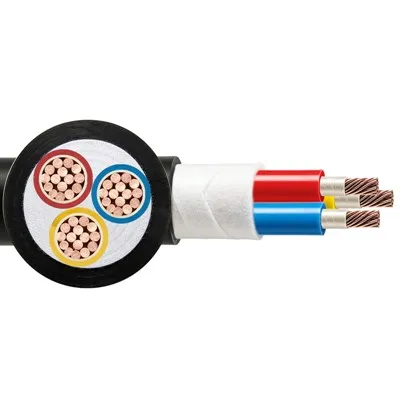
The biggest trend, hands down, is electrification across every sector—and it’s reshaping cable harness requirements more than anything else. Five years ago, most of our automotive clients were still refining hybrid powertrains, but today 80% of their new models are fully electric. That might sound like an automotive-specific shift, but it’s rippling out to construction, agriculture, even recreational vehicles. Electric farm tractors, electric airport ground support equipment, and the growing network of electric delivery vans all rely on harnesses that can handle much higher voltage than the 12-volt systems we used to work with. Where a typical gas car harness topped out at 48 volts, electric vehicles (EVs) need harnesses that support 400 volts, and many newer models are moving to 800 volts to cut charging times. That’s not just swapping thicker wires, either. High-voltage harnesses need specialized insulation that can withstand higher temperatures without degrading, shielding to block electromagnetic interference (EMI) from the powertrain’s powerful components, and connectors that are sealed to prevent water or dust contamination—something standard harnesses rarely needed before. For a supplier, this means we’ve had to invest in new materials testing and training: our technicians now work with high-temperature cross-linked polyethylene insulation, not just standard PVC, and every production line has strict protocols for handling high-voltage parts to avoid safety risks. The agricultural sector’s shift to electric tractors is a good example of how broad this trend is—last quarter, we doubled our production of high-voltage harnesses for farm equipment, a line that barely existed in 2021.
Tied directly to electrification, but separate enough to call out, is the rise of lightweighting. For any client that has to move heavy equipment—cars, trucks, aircraft, even portable medical devices—extra weight equals higher operating costs. An EV with a 10-pound lighter harness can drive an extra 10 miles on a single charge, a huge selling point for consumers. For medical devices like portable MRI scanners or surgical robots, a lighter harness makes the device easier for clinicians to maneuver in tight operating rooms. We’ve been working with several aerospace clients over the last two years on this too: commercial aircraft have thousands of cable harnesses, and cutting even a fraction of an ounce per harness adds up to thousands of pounds of total weight savings, reducing fuel costs over the plane’s 20-year lifespan. The challenge here is lightweighting without sacrificing durability. Thinner wires sound like an obvious fix, but they can’t handle the vibration, temperature swings, or voltage loads that harnesses are exposed to. Suppliers are getting creative: we now use stranded wires with high conductivity but thinner gauge than traditional solid wires, lightweight braided shielding instead of bulkier metal conduits, and modular connectors that are smaller but just as secure. Last year, we rolled out a line of “lightweight military-grade harnesses” for unmanned aerial vehicles (UAVs) that cut total harness weight by 18% while meeting the military’s strict performance standards—a win we earned after a year of testing and iteration.
Another trend that’s been gaining steam is modular and customizable harnesses, replacing the one-size-fits-all approach that dominated the industry for decades. Ten years ago, a manufacturer would order a full custom harness for each new model, which meant long lead times and high costs for small production runs. Now, clients want harnesses that can be easily adapted to different product lines, or modified on the fly without retooling their entire production line. For example, a medical device maker might produce 10 different models of a patient monitor, each needing a slightly different harness length or connector type. Instead of building 10 unique harness designs, we now use modular components: standard base harnesses that can be snapped into different segments, with swappable connectors that fit multiple device models. This cuts lead times by 30% for our clients and reduces waste—no more scrapping hundreds of custom harnesses when a product model gets updated. We’ve also seen a lot of demand for quick-turn prototypes. A startup developing a new wearable health monitor might only need 50 prototypes to test, not a full order of 10,000. We used to turn those down because custom prototyping was too expensive, but now we’ve built a dedicated small-batch production line that can produce custom harnesses in 48 hours, a service that’s become a huge draw for tech startups.
Smart harnesses—those embedded with sensors or connectivity—are the newest trend on the block, and it’s still evolving fast. Today’s harnesses aren’t just passive parts that carry power and data; they can monitor their own performance, track the health of the components they’re connected to, and even alert users to potential failures before they happen. For example, a harness in an EV can be embedded with temperature sensors that alert the driver or maintenance team to a overheating wire before it causes a safety hazard. For wind turbine operators, harnesses on turbine blades have vibration sensors that can detect damage to the blade or the harness itself, letting crews fix issues before the turbine goes offline. We’ve already delivered these smart harnesses to several wind farm operators across the Midwest, and the feedback has been incredible: one client reported a 40% drop in unplanned turbine downtime after installing our sensor-enabled harnesses. The challenge here is integrating these sensors without making the harness too bulky or expensive. We’re working with semiconductor partners to use smaller, lower-power sensors that can be woven directly into the harness’s wiring, not just attached as an afterthought. This is a space we’re still investing in heavily—our R&D team spends 20% of their time on smart harness development, and we expect this line to make up 25% of our revenue by 2027.
But it’s not all positive trends for suppliers like us. Supply chain volatility is still a huge challenge, especially for the specialized materials we need for these new harnesses. The global chip shortage a few years ago affected every tech sector, but it hit harness suppliers particularly hard because many of our new designs rely on custom connectors and sensors made by a small number of manufacturers. We’ve had to diversify our supplier base over the last two years, working with smaller, regional component makers to reduce our reliance on overseas factories. We also keep 3 months of inventory for our highest-demand materials, a buffer that’s helped us avoid delays that many of our competitors faced in 2022 and 2023. Another headwind is the push for sustainability, which adds new requirements to our production process. Clients now want harnesses made from recyclable materials, not just standard PVC that can’t be easily broken down. We’ve switched to using recycled copper in all our harness wires over the last year, and we’re working with our insulation suppliers to develop bio-based insulation materials that meet our performance standards. It’s a long process—bio-based materials often can’t handle high temperatures as well as traditional ones—but it’s non-negotiable for our clients. Last quarter, a major automotive client required all their new harness orders to use 90% recycled materials, so we had to overhaul our entire supply chain in three months to meet that deadline.
So what does all this mean for clients working with cable harness assemblies? For us, it means we’re no longer just a supplier of parts—we’re a partner that helps clients solve complex problems, from designing a lightweight harness for an EV to integrating sensors for a smart wind turbine. If you’re a manufacturer looking to update your harness systems, here’s what I’d advise: don’t settle for off-the-shelf parts. The custom, specialized harnesses that meet your unique needs will give you a competitive edge in electrification, performance, and sustainability. We work with clients across every sector, from automotive and medical to aerospace and industrial equipment, so no project is too big or too small. If you’re ready to discuss your specific needs, whether it’s a prototype for a new product or a full production run for an existing line, we’re here to help. Our team has decades of experience in cable harness design and manufacturing, and we’re always happy to walk through your requirements, provide a custom quote, or answer any questions you have. We’ve built our business on solving hard problems for our clients, and we’re ready to do the same for you.
Electric Wire References
CableHarnessAssociations.org. (2024). Global Trends in Electrified Harness Manufacturing.
Industrial Electronics News. (2023). Lightweighting Strategies for Aerospace and Automotive Harnesses.
Medical Device Manufacturing Journal. (2024). Modular Harness Solutions for Small-Batch Medical Device Production.
Renewable Energy World. (2023). Smart Harness Sensors Reduce Wind Turbine Downtime.
Supply Chain Digest. (2024). Material Sourcing Challenges in Harness Manufacturing Post-Pandemic.
Yangzhou Huayu Cable Co., Ltd.
Yangzhou Huayu Cable Co., Ltd. is one of the most professional cable harness assemblies manufacturers and suppliers in China, also supports customized service with low price. Please feel free to wholesale advanced cable harness assemblies made in China here from our factory. Contact us for pricelist.
Address: No. 9 Jingang Road, Yangzhou City, Jiangsu Province, China
E-mail: huayucableco@126.com
WebSite: https://www.huayucabletech.com/
