Hey there! I’m a supplier of Micro Expanded Metal, and today we’re gonna dive into the topic of what the salt – water resistance of Micro Expanded Metal is. Micro Expanded Metal
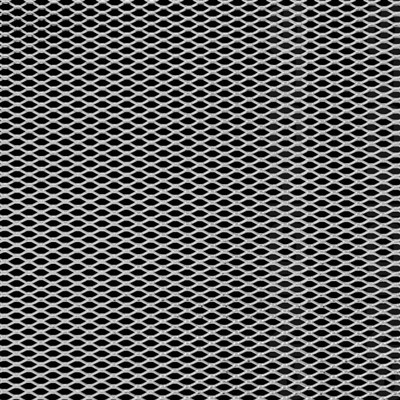
First things first, let’s talk about what Micro Expanded Metal is. It’s a super – cool material that’s made by slitting and stretching a sheet of metal. This process creates a pattern of diamond – shaped openings, and it comes in different metals like stainless steel, aluminum, and mild steel. Each of these metals has its own unique properties, and that includes how well they stand up to salt water.
Stainless steel Micro Expanded Metal is like the superhero when it comes to salt – water resistance. That’s because most stainless steels contain a decent amount of chromium, which forms a passive oxide layer on the surface. This layer acts as a shield, protecting the metal underneath from getting attacked by the corrosive elements in salt water. For example, 304 stainless steel is commonly used, and it has a good resistance to general corrosion in many environments, including coastal areas where there’s a bit of salt in the air. But if you really want top – notch protection, 316 stainless steel is your best bet. It has a higher content of molybdenum compared to 304, and this extra molybdenum gives it significantly better resistance to pitting and crevice corrosion in salt – water conditions.
I’ve seen it in action myself. We once supplied some 316 stainless steel Micro Expanded Metal to a customer who was building a marine railing for a dock. After a couple of years, when they checked on it, there was hardly any sign of corrosion. The metal still looked shiny and in great shape, even though it was constantly exposed to the salty sea spray.
Now, let’s move on to aluminum Micro Expanded Metal. Aluminum has a natural oxide layer that forms on its surface when it’s exposed to air. This layer is pretty good at providing some protection against corrosion, including in salt – water environments. But aluminum is a bit more reactive compared to stainless steel. In salt water, the chloride ions can break through the oxide layer in some cases, especially if there are scratches or other defects on the surface.
However, if the aluminum is properly coated or anodized, its salt – water resistance can be greatly improved. Anodizing is a process that thickens the natural oxide layer, making it more durable and resistant to corrosion. We’ve had customers use anodized aluminum Micro Expanded Metal for outdoor applications near the ocean, like decorative screens on beachfront buildings. With the right anodized finish, the metal holds up well over time, and it doesn’t lose its aesthetic appeal.
Mild steel Micro Expanded Metal, on the other hand, isn’t the best choice when it comes to salt – water resistance. Mild steel is mainly composed of iron, and when it’s exposed to salt water, it rusts pretty quickly. Rust is basically iron oxide, and it forms when the iron in the steel reacts with oxygen and water. The salt in the water acts as a catalyst, speeding up this corrosion process.
But don’t count mild steel out completely. If it’s coated with a protective layer, like a zinc coating (galvanization), its resistance to salt water can be enhanced. Galvanized mild steel Micro Expanded Metal has a layer of zinc on its surface, and the zinc corrodes first, sacrificing itself to protect the steel underneath. It’s a cost – effective option for some applications where the exposure to salt water isn’t too extreme.
So, why does the salt – water resistance of Micro Expanded Metal matter? Well, if you’re using it in a marine or coastal environment, it’s crucial. For example, in offshore oil rigs, Micro Expanded Metal can be used for platforms, walkways, and even as a part of the filtration systems. If the metal doesn’t have good salt – water resistance, it could start to corrode rapidly, which could lead to structural failures and safety issues.
In aquaculture, it can be used for fish cages and other equipment. Salt – water resistance is vital here because any corrosion could contaminate the water and harm the fish. Even in coastal architecture, like in buildings near the beach, using Micro Expanded Metal with poor salt – water resistance could result in an unsightly appearance over time, as well as potential damage to the structure.
When it comes to testing the salt – water resistance of Micro Expanded Metal, there are a few methods. One common way is the salt – spray test. In this test, the metal sample is placed in a chamber where it’s exposed to a fine mist of salt water for a set period of time. After the test, the sample is examined for signs of corrosion, like rust spots or pitting. Another method is the immersion test, where the sample is actually submerged in a tank of salt water for a longer period. This gives a more realistic idea of how the metal will perform in a real – world salt – water environment.
As a supplier, I always make sure to provide my customers with the right information about the salt – water resistance of the Micro Expanded Metal they’re interested in. I’ll ask them about the specific application and the level of salt – water exposure. If they’re in a high – salt environment, I’ll usually recommend 316 stainless steel or properly anodized aluminum. For less severe conditions, galvanized mild steel might be a good option.

If you’re in the market for Micro Expanded Metal and you’re worried about its salt – water resistance, don’t hesitate to reach out. I’ve got years of experience in this industry, and I can help you choose the right type of metal for your project. Whether you’re building a marine structure, a coastal building, or an aquaculture facility, I’ve got the solutions you need. Just drop me a message, and let’s have a chat about how we can get the perfect Micro Expanded Metal for your needs.
Flattened Expanded Metal References:
- "Corrosion of Metals in Marine Environments" – A scientific study on metal corrosion in salt – water conditions.
- "Handbook of Metal Finishing" – This handbook provides detailed information on different metal coatings and how they affect corrosion resistance.
- "Materials Selection for Marine Applications" – A guide that helps in choosing the right materials for use in marine and coastal settings.
Anping Yilida Metal Wire Mesh Co., Ltd.
Anping Yilida Metal Wire Mesh Co., Ltd. is one of the most reliable micro expanded metal manufacturers and suppliers in China, also supports customized service. Please feel free to buy bulk high quality micro expanded metal made in China here from our factory.
Address: Wire Mesh Development Zone, Anping, Hebei Province, China
E-mail: sales@wiremesh-yg.cn
WebSite: https://www.yilidametal.com/
