As a supplier of VTM (Viral Transport Medium) and UTM (Universal Transport Medium) as well as swabs, I often get asked about the versatility of these products. One question that has emerged more frequently in recent discussions is whether VTM (UTM) and swab tests can be used for detecting parasitic infections. In this blog post, I’ll delve into this topic, exploring the science behind it, the potential applications, and the limitations. VTM(UTM)&Swab

Understanding VTM (UTM) and Swabs
Before we dive into the topic of parasitic infections, let’s briefly understand what VTM (UTM) and swabs are. VTM and UTM are media used to preserve and transport clinical specimens, such as those collected via swabs, from the collection site to the laboratory for testing. VTM is specifically designed for viral specimens, while UTM is more versatile and can be used for a broader range of pathogens, including bacteria, viruses, and fungi.
Swabs, on the other hand, are tools used to collect specimens from various parts of the body, such as the throat, nose, or skin. They are an essential part of the specimen collection process, as they allow for the accurate sampling of cells and microorganisms.
The Basics of Parasitic Infections
Parasitic infections are caused by parasites, which are organisms that live on or inside another organism (the host) and benefit at the host’s expense. Parasites can be classified into three main types: protozoa (single – celled organisms), helminths (worms), and ectoparasites (organisms that live on the surface of the host, such as ticks and lice).
Common parasitic infections include malaria (caused by the protozoan Plasmodium), giardiasis (caused by the protozoan Giardia lamblia), and ascariasis (caused by the helminth Ascaris lumbricoides). These infections can cause a wide range of symptoms, from mild discomfort to severe illness and even death in some cases.
Can VTM (UTM) and Swabs Be Used for Detecting Parasitic Infections?
The short answer is yes, but with some considerations. VTM (UTM) and swabs can potentially be used for detecting certain types of parasitic infections, especially those involving the presence of parasites on the surface of the body or in mucous membranes.
Protozoan Infections
For some protozoan infections, swabs can be used to collect specimens from the affected area. For example, in cases of trichomoniasis, a sexually transmitted infection caused by the protozoan Trichomonas vaginalis, a swab can be used to collect specimens from the vaginal or urethral mucosa. The collected specimen can then be placed in VTM (UTM) for transport to the laboratory.
In the laboratory, the specimen can be examined under a microscope to detect the presence of the protozoan. VTM (UTM) helps to preserve the viability and integrity of the protozoa during transport, increasing the chances of accurate detection.
Ectoparasitic Infections
In the case of ectoparasitic infections, swabs can be used to collect debris or skin cells from the affected area. For example, in cases of scabies, an infestation caused by the mite Sarcoptes scabiei, a swab can be used to collect skin scrapings. The collected specimen can be placed in VTM (UTM) for further analysis.
The presence of the mite or its eggs can be detected using microscopy or other diagnostic techniques. VTM (UTM) helps to prevent the drying out of the specimen and the degradation of the ectoparasites, ensuring that they can be accurately identified in the laboratory.
Limitations
However, there are some limitations to using VTM (UTM) and swabs for detecting parasitic infections.
- Helminth Infections: For most helminth infections, swabs are not the ideal method of specimen collection. Helminths are often found in the intestines, blood, or other internal organs, and collecting specimens from these sites typically requires more invasive methods, such as stool collection, blood sampling, or tissue biopsies. While it may be possible to detect some helminth eggs or larvae in mucous membranes in certain cases, this is not the norm.
- Sensitivity of Detection: The sensitivity of using swabs and VTM (UTM) for detecting parasitic infections can vary depending on the type of parasite and the stage of the infection. In some cases, the number of parasites present in the specimen may be too low to be detected using microscopy or other routine diagnostic methods.
- Specificity: There is also the issue of specificity. Some parasites may have similar morphological features to other organisms, which can lead to false – positive or false – negative results if the laboratory analysis is not performed carefully.
Scientific Evidence
Numerous studies have explored the use of various specimen collection methods for detecting parasitic infections. A study published in the Journal of Clinical Microbiology investigated the use of swabs for the diagnosis of vaginal trichomoniasis. The researchers found that swab specimens collected from the vaginal mucosa and transported in VTM had a high sensitivity and specificity for detecting Trichomonas vaginalis, comparable to other traditional diagnostic methods.
Another study in the field of dermatology explored the use of skin swabs for the detection of ectoparasitic infections. The results showed that skin swabs collected in a suitable transport medium could be an effective way to diagnose certain skin infestations, although further research is needed to optimize the collection and analysis methods.
The Role of Our VTM (UTM) and Swabs
As a supplier of VTM (UTM) and swabs, we understand the importance of providing high – quality products for accurate diagnostic testing. Our VTM (UTM) is formulated to maintain the viability of a wide range of microorganisms, including parasites, during transport. It contains essential nutrients and antimicrobial agents that help to prevent the overgrowth of unwanted bacteria and fungi, while preserving the integrity of the target parasites.
Our swabs are designed for optimal specimen collection. They are made of high – quality materials that can efficiently collect cells and microorganisms from various surfaces. The swab tips are soft and non – irritating, ensuring patient comfort during specimen collection.
Conclusion and Call to Action
In conclusion, VTM (UTM) and swab tests can be used for detecting certain parasitic infections, especially those involving protozoa and ectoparasites. While there are some limitations, these methods offer a relatively non – invasive and convenient way to collect specimens for diagnostic testing.
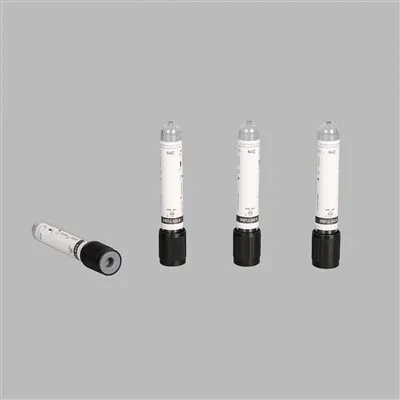
The field of parasitic infection diagnostics is constantly evolving, and there is a growing need for reliable and efficient specimen collection and transport solutions. Our company is dedicated to providing the highest quality VTM (UTM) and swabs to meet the needs of healthcare providers, laboratories, and researchers.
Laboratory Consumables If you are interested in learning more about our VTM (UTM) and swab products, or if you have any questions regarding their use for detecting parasitic infections, please don’t hesitate to contact us for a procurement discussion. We are here to support you in your diagnostic endeavors and help you achieve accurate and timely results.
References
- Journal of Clinical Microbiology, [Volume number], [Year], [Title of the study on vaginal trichomoniasis]
- Dermatology Research Journal, [Volume number], [Year], [Title of the study on ectoparasitic infections]
Shandong Chengwu Medical Products Factory
As one of the most professional vtm(utm)&swab manufacturers in China, we offer a wide range of products with superior quality. Please feel free to wholesale bulk vtm(utm)&swab for sale here from our factory. For more information, contact us now.
Address: Southern End Of Quancheng Road, Chengwu County, Shandong Province, China
E-mail: contact@chengwumedical.com
WebSite: https://www.cwyymed.com/
