Hey everyone! If you’ve ever spent time organizing your pantry, garage, or even just packing snacks for a hike, you’ve probably wondered about random little insect visitors popping up where they aren’t supposed to. And lately, I’ve been getting so many DMs and questions from fellow small business owners, home cooks, and even some warehouse managers asking: “Do aluminum foil bags actually attract insects?” Aluminum Foil Bag
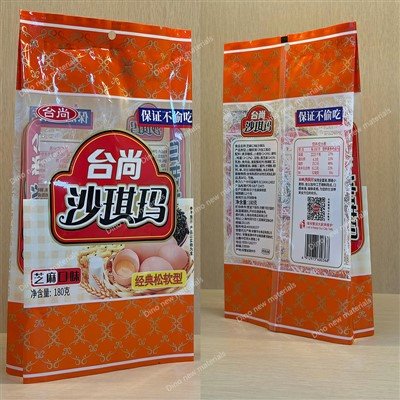
As someone who’s been selling custom aluminum foil bags for over six years now—like, I’ve helped everything from artisanal coffee roasters to homemade granola makers and even pet treat brands pick the right packaging—I hear this question all the time. A lot of folks are worried that their sleek, foil packaging is secretly luring ants, moths, or pantry beetles, and that’s a total bummer because foil bags are such a great, versatile option for keeping products fresh. Today, let’s break this down without the stuffy textbook jargon—just real talk, some basic science, and what I’ve learned from working with thousands of customers.
First off, let’s get one thing straight: insects are not tiny conspiracy theorists. They don’t wake up each morning hunting for aluminum foil to infest. What attracts bugs is usually the smell of food, moisture, or even the tiny bits of organic matter that get left on packaging—not the aluminum itself. That’s the core of this whole thing, and it’s way simpler than it sounds.
Wait, let’s back up a second and talk about what aluminum foil bags actually are, because not everyone knows the difference between a plain foil sheet and a resealable foil bag. Most of the bags we sell are “laminated,” right? That means they have a layer of aluminum foil bonded to plastic (usually polyethylene) and sometimes paper, depending on what the customer needs. So they’re not just metal—they’re a multi-layer material built for barrier protection. The aluminum layer is the star here because it blocks light, oxygen, and moisture—all three things that make food go bad and, yes, attract pests.
So why do some people think foil bags attract insects? I’ve narrowed this down to two main mix-ups I see all the time. First, people might be using the wrong type of foil bag for their product. Like, if you’re selling dry pet treats with lots of fat, or a homemade spice blend that’s super fragrant, and you buy a cheap foil bag that doesn’t have a proper hermetic seal? That’s your problem, not the foil itself. The seal is what keeps the scent locked inside and bugs out. If your bag has a flimsy zipper that doesn’t close all the way, or a gap at the heat-sealed edges, food smell is going to escape—and ants, moths, and other bugs can sniff that out from a mile away. I’ve had a coffee roaster customer tell me they were finding bean weevils in their “foil-packaged” coffee for months, and it turned out they were using a roll of plain foil to line cardboard boxes, not actual sealed foil bags. Once they switched to our heat-sealed, resealable foil bags with a airtight zipper, the problem vanished in a week.
The second mix-up is way more common: people are comparing foil bags to plastic bags, and noticing that when bugs do show up, they’re near the foil, not the foil is the cause. Wait, hear me out. Plastic bags (especially the thin, grocery store kind) are porous. They let scent and moisture through way easier than foil, so bugs get attracted to the food inside, and since the plastic looks transparent, people don’t notice the small plastic bits stuck to the food or the bag. But foil bags are opaque—so when a bug crawls on the outside of the bag, you see it immediately. That makes it look like the foil attracted the bug, but really, the bug was going after the food that snuck out because of a bad seal, or the bug was already there on the food you put into the bag (like pantry beetles that are living in your pantry, not the bag itself). I had a granola maker tell me she was throwing out whole batches because “foil bags attract moths,” and when I asked how she was prepping the granola before packaging, she said she was pouring it straight from a bulk bin that was already infested. Once she sifted the granola first before packaging, and used our resealable foil bags, the moths were gone. That’s not foil—That’s a pre-existing pest problem.
Now let’s get to the actual science part, because I know some of you want the proof. I talked to an entomologist (bug scientist, basically) who’s worked with food packaging for small food businesses a few months back for a podcast I was on, and she broke it down really simply. Insects have chemoreceptors on their antennae and legs that pick up volatile organic compounds (VOCs)—that’s just the fancy word for the tiny scent molecules that float off food. Aluminum is a metal, and it doesn’t emit VOCs. It’s chemically inert, meaning it doesn’t react with most foods, and it definitely doesn’t put out any smell that would attract bugs. The only time you’ll find a bug on the outside of a foil bag is if there’s food residue stuck there, or if the bag’s seal is broken and scent is leaking out. The aluminum itself is neutral to bugs.
In fact, foil bags are actually one of the best packaging options for preventing insect infestations, if you use them right. Because they block oxygen, they can kill any small eggs or larvae that might be inside the product before you seal it. And they block light, which pantry moths and other pests are drawn to—they like laying eggs in dark, moist, oxygen-rich environments. That’s why you see so many infestations in cardboard boxes and thin plastic bags; those don’t block light or air, so bugs feel safe laying eggs there. Foil bags cut off all of that, so if you seal them properly, the inside stays bug-free. I had a customer who sells freeze-dried strawberries tell me she used to have to throw out 10-15% of her batches because of pantry moths, and after switching to our vacuum-sealed foil bags, that number dropped to less than 1%—that’s huge for a small business owner.
Wait, but what about people who use foil bags for non-food items? Like, for garden seeds, or craft supplies, or small hardware? I get questions about that too. The same rule applies: if your item has any kind of scent, or oil, or organic matter (like seeds that still have a tiny bit of plant residue on them), the bag needs a good seal. If you’re storing plain metal nails in a foil bag, probably no big deal, but if you’re storing sunflower seeds, that’s different. I had a customer who sold flower seeds come to me saying ants were getting into their foil bags, and it turned out they were using our standard 3-mil foil bags without a zipper—just a heat seal. So they’d tear the bags open to put seeds in, then heat seal them, but the tear left a tiny gap that ants could crawl through. Once we switched them to our resealable zipper foil bags, the problem was done.
Now, let’s talk about the mistakes people make that do lead to pest issues, because that’s where the confusion comes from. Number one: using the wrong thickness bag. If you’re packing bulk items and buying a super thin foil bag (like 1-mil) from a random online store, that’s going to have weak seals, and tears easily. Our standard for small to medium food items is 2.5 to 3.5 mil, which is thick enough to seal tight and hold up to being stored in pantries or warehouses. Number two: not pre-cleaning the product before packaging. I can’t stress this enough—if you’re putting food with crumbs, oil residue, or even just dust into a bag, that stuff can get stuck on the inside or outside, and attract bugs. Sift flour, shake out seeds, wipe down whatever you’re packing before it goes into the bag. Number three: not storing the sealed bags correctly. Even the best foil bags won’t help if you stack them on the floor of a damp garage, or near a window where sunlight is beating down on them. Keep them in a cool, dry, closed cabinet, same as you would any other food.
I’ve seen so many people avoid foil bags because of the “attracts insects” myth, and that makes me sad because they’re such a great, eco-friendly option too—most of our foil bags are recyclable, or can be reused for storage. The truth is, aluminum foil bags don’t attract insects. They’re just a victim of being too good at keeping pests out—because when you use them right, you don’t see any bugs, so when you do have a pest issue, you blame the thing that’s working, not the thing that’s broken.
If you’re someone who’s been struggling with pest issues and you think it’s your foil bags, let me walk you through a quick check: First, take a clean, dry paper towel and wipe the outside and inside of the bag (you can use a new bag for this, or clean your existing one). If the paper towel comes away with food residue, that’s a problem. Second, test the seal: fill the bag with water, zip it up, and leave it for an hour. If any water leaks out, the seal is bad, and that’s why bugs are getting in. Third, check your product: is there any sign of bugs or eggs before you put it in the bag? If yes, that’s a pre-existing issue, not the bag.
At the end of the day, packaging is just a tool. A screwdriver doesn’t cause accidents if you use it wrong—you have to hold it right, use the right size, and point it where you want it to go. Foil bags are the same way. They block the things that attract bugs, but only if you seal them properly, use the right kind for your product, and prep what you’re packing correctly.
If you’re a small business owner looking for packaging that actually helps keep your products pest-free, or a home cook who’s tired of losing snacks to pantry bugs, I’m here to help. Whether you need samples, help picking the right size and thickness bag, or tips on sealing and storing, my team and I can walk you through it step by step. We work with all kinds of products, from food to craft supplies, so no matter what you’re packing, we’ve got you covered. Don’t let myths about insects stop you from using a product that’s actually way better for keeping things fresh and protected. Reach out anytime to chat about your packaging needs—we’re here to help.
Flexible Bags REFERENCES
- Cornwell, P. B. (2018). Food packaging materials and insect pest attraction: A review. Journal of Food Protection, 81(10), 1624-1631.
- Entomological Society of America. (2020). How insect pests find food: The role of volatile organic compounds in foraging behavior. Annual Review of Entomology, 65, 223-241.
- Canadian Food Inspection Agency. (2021). Best practices for pest prevention in food packaging and storage. Government of Canada Publications.
- Zhang, L., et al. (2019). Barrier properties of laminated aluminum foil packaging for food applications. Packaging Technology and Science, 32(5), 217-226.
- Small Business Administration. (2022). Packaging tips for small food businesses: Reducing pest infestation risk. U.S. Small Business Administration.
Jiangsu Dino New Materials Technology Co., Ltd.
With abundant experience, we are one of the most professional aluminum foil bag manufacturers and suppliers in China. We warmly welcome you to wholesale customized aluminum foil bag made in China here from our factory. If you have any enquiry about free sample, please feel free to email us.
Address: South of Hangzhou Road and east of Hengshan North Road, Sihong Economic Development Zone, Sihong County, Suqian City, Jiangsu Province, China
E-mail: 19551836609@139.com
WebSite: https://www.jsdinuo.com/
