If you’ve ever noticed slow, stiff steering or a mysterious pool of reddish fluid under your vehicle’s front end, odds are your power steering hose’s sealing ring is on its way out. As someone who’s spent the last decade designing and manufacturing high-grade sealing rings for automotive fleets, DIY mechanics, and repair shops, I’ve learned this small, often overlooked part is way more critical than it sounds. A bad sealing ring isn’t just a minor annoyance—it can lead to power steering fluid loss, overheated pumps, or even steering failure mid-drive. Replacing it yourself is way cheaper than a mechanic’s bill, and it’s way simpler than you might think—if you do it right. Let’s walk through the steps, plus the mistakes I see people make all the time (and how to avoid them). Sealing Ring
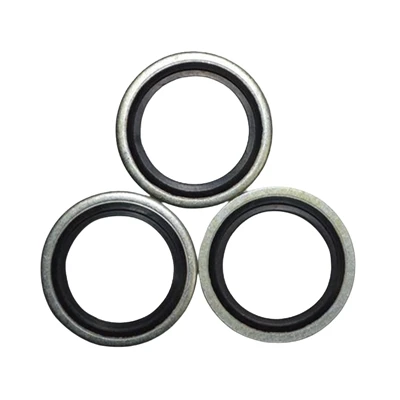
First, let’s break down what exactly a power steering hose sealing ring does. It’s a thin, circular component—usually made of nitrile rubber, EPDM, or sometimes copper for high-pressure lines—squeezed between the end of your power steering hose and the fitting it connects to (whether that’s the steering rack, pump, or another hose). Its whole job is to create a fluid-tight seal, even under the 100–150 PSI of pressure your power steering system runs at. Over time, heat from the engine, exposure to oil and road grime, and constant pressure from fluid pulses cause the ring to crack, shrink, or warp. That’s when fluid leaks out, and steering starts to feel off. If you grab your owner’s manual, the part will be listed under “power steering system seals” or “hose fitting O-rings”—and no, you can’t use a regular O-ring from a hardware store here. The pressure demands in power steering lines are specific, so generic parts almost always fail fast.
Before you even get your tools out, there are a few prep steps to keep the job smooth. First, park your vehicle on a flat, level surface, set the parking brake, and turn the engine off. Safety first: let the engine cool completely—you don’t want to burn yourself on a hot exhaust manifold or power steering pump housing. Next, locate the power steering reservoir (it’s usually a translucent plastic tank near the front of the engine, marked with “P/S” on the cap). Use a turkey baster or a fluid extraction pump to siphon out as much old power steering fluid as you can. This cuts down on mess and keeps you from spilling fluid on paint, which can cause damage. Lay down a tarp under the area where the hose connects to catch any leftover drips, and grab your tools: a set of wrenches (both metric and standard, since most domestic cars use standard and imports use metric), a line wrench (not an open-end wrench—those round fitting nuts will strip easily with open ends), a small pick or flathead screwdriver, a rag, and of course, your new sealing rings. Pro tip here: never reuse the old sealing ring. Even if it looks fine, those tiny imperfections you can’t see with the naked eye will cause a leak within days. I’ve seen mechanics reuse rings because they “looked good” only to come back three days later for a redo—don’t be that person.
Now, let’s get to the actual replacement. First, identify which hose is leaking. Power steering systems have two main hoses: the high-pressure hose (carries fluid from the pump to the steering rack, usually the one that’s hot during operation) and the return hose (carries fluid back to the reservoir, usually lower pressure, closer to the bottom of the engine). Grab the line wrench and loosen the nut on one end of the hose—start with the hose that’s leaking, obviously. Once the nut is loose, pull the hose gently away from the fitting. Now you’ll see the old sealing ring: it might be stuck on the hose end, or left inside the fitting. Use your small pick or flathead screwdriver to pry it loose carefully—don’t scratch the hose or the fitting, because scratches create gaps that new rings can’t seal. If the ring is stuck inside the fitting, you can gently tap the fitting against a wooden block to dislodge it, or use a small pair of needle-nose pliers if the ring is soft enough. Once the old ring is out, clean both the hose end and the fitting with a rag and a little rubbing alcohol to remove any oil, grime, or leftover sealant. Even a tiny bit of debris will ruin the new seal—this step is non-negotiable.
Now for the part most people mess up: installing the new sealing ring. First, confirm you have the right size. Sealing rings come in different inner and outer diameters, and using the wrong size is a guaranteed leak. Measure the inner diameter of the hose and the outer diameter of the fitting if you’re unsure, or cross-reference your vehicle’s make, model, and year with your part number to get the exact ring. When handling the new ring, be gentle—nitrile rubber can tear if you stretch it too much. Apply a very thin layer of power steering fluid or petroleum jelly to the inside of the ring. This lubricates it so it slides into place without stretching, and helps create a better seal. Don’t use too much lubricant, though—excess can get into the system and cause clogs or damage. Slide the ring evenly onto the end of the hose (if your connection is hose-to-fitting) or inside the fitting (if it’s fitting-to-fitting). Make sure it’s seated all the way into the groove—most power steering fittings have a small groove where the ring sits, so it won’t move around. If the ring is even a little bit out of the groove, the nut won’t tighten evenly, and you’ll get a leak.
Once the ring is in place, reattach the hose. Hand-tighten the nut first, then use your line wrench to turn it another ¼ to ½ turn. Don’t over-tighten! I can’t stress this enough: over-tightening can crack the fitting, strip the threads, or squeeze the ring so hard it deforms, which defeats the whole purpose. If you can’t fit your wrench easily, double-check that the ring is seated right—sometimes it gets caught under the nut and prevents full tightening. Repeat this process for the other end of the hose, if needed. Once everything is reconnected, refill the power steering reservoir with the correct fluid for your vehicle (check your owner’s manual—most use ATF type F or a specific power steering fluid, not just any hydraulic fluid). Now, you need to bleed the system to get rid of air bubbles, which can cause steering noise or stiffness. Start the engine, let it idle for a minute, then turn the steering wheel all the way left and all the way right a few times (don’t hold it at the ends for more than a few seconds, that can damage the pump). Keep an eye on the fluid level in the reservoir—add more if it drops. Turn the engine off, let it cool, and check for leaks under the vehicle. If you see fluid dripping, turn the engine off immediately—you probably didn’t tighten the nut enough, or the ring wasn’t seated right. If there’s no leak, you’re done.
Wait, but what if your sealing ring is part of a larger hose assembly, not a separate part? Some newer vehicles have hoses where the sealing ring is crimped into the hose end, so you can’t replace just the ring. In that case, you’ll need to replace the entire hose—unless you’re comfortable cutting the old ring out from the crimp end and installing a new one, which is a bit more advanced. I always recommend getting a compatible hose assembly for that, but if you’re handy, it’s doable. Just make sure the replacement hose matches the pressure rating and length of the original.
Now, let’s talk about mistakes to avoid, because even a small misstep can ruin the job. First, using the wrong sealing ring. As I said earlier, generic O-rings from a hardware store are not designed for power steering’s pressure and chemical environment. They’ll swell or shrink, leading to leaks. Our sealing rings are formulated specifically for automotive power steering systems, with nitrile rubber that resists the heat and fluid exposure that causes generic parts to fail. Second, skipping the cleaning step. If there’s a tiny piece of dirt or old sealant on the hose or fitting, the new ring won’t sit evenly, and you’ll get a leak almost immediately. Third, over-tightening the nut. I’ve seen more cracked fittings from over-tightening than leaks from under-tightening—line wrenches are for a gentle turn, not brute force. Fourth, not bleeding the system. Air bubbles in the power steering line cause a spongy feel, and over time they can damage the pump by causing pressure spikes. Bleeding takes two minutes, so don’t skip it.
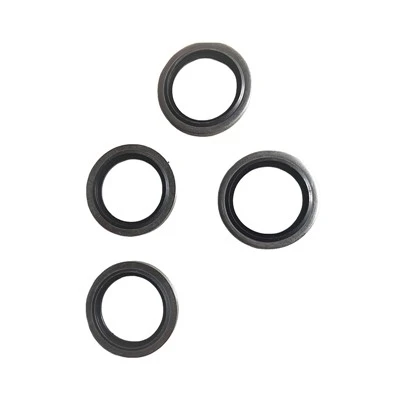
At the end of the day, replacing a power steering hose sealing ring is one of the most accessible DIY maintenance jobs for any car owner. It saves you hundreds of dollars in mechanic labor, and as long as you take your time with the prep and installation steps, you’ll have a leak-free system. If you’re in the market for high-quality, vehicle-specific sealing rings that fit exactly, last longer than generic parts, and are designed to handle the pressure of your power steering system, feel free to reach out to discuss your needs. We work with DIYers, independent repair shops, and fleet teams to provide the right parts for every job, no matter the make or model.
Oil Line Seal References:
- Automotive Sealing Technology: Materials, Design, and Applications (2021) SAE International
- Automotive Power Steering System Maintenance Guide (2022) National Institute for Automotive Service Excellence (ASE)
- Sealing Ring Design for High-Pressure Automotive Fluid Systems (2019) Journal of Automotive Engineering
Xingtai Yuehao Rubber & Plastic Products Co., Ltd.
We are one of the most experienced sealing ring manufacturers and suppliers in China, also support customized service. Please feel free to buy bulk high quality sealing ring in stock here from our factory. Welcome to contact us for pricelist.
Address: Qianliu Village, Tiankou Town, Renze District, Xingtai City, Hebei Province
E-mail: xtyh7195@outlook.com
WebSite: https://www.yuehaocn.com/
