If you’ve ever spent time scrolling through medical supply forums or chatting with fellow caregivers, you’ve probably seen the same question pop up a hundred times: “Are incontinence underpads covered by insurance?” As someone who’s been in the incontinence underpad game for over eight years, I get it—this stuff can feel like a total headache when you’re trying to figure out what’s worth the out-of-pocket cost and what you can actually get through your plan. Let me cut through the jargon and lay it out like it is, no salesy nonsense, just real talk from someone who works with these products every single day. Incontinence Underpad
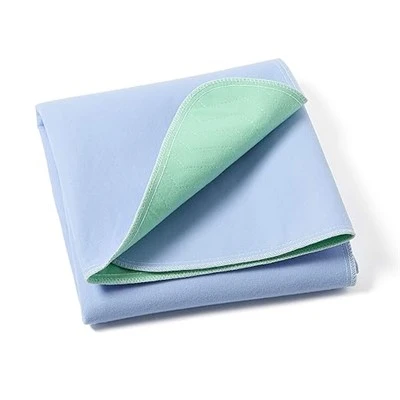
First off, let’s make sure we’re on the same page about what we’re talking about here. Incontinence underpads (those sometimes called “bed pads” or “chux” by folks in the field) aren’t just for people with heavy incontinence, right? I’ve seen them used for tons of situations—post-surgery patients recovering at home, parents with kids who have overnight potty training accidents, people caring for aging relatives who move a lot in bed, even folks who spill drinks or have mobility issues that make using the bathroom fast tough. They’re super absorbent, easy to change, and way cheaper than replacing sheets or mattresses all the time. But when it comes to insurance, it’s not one-size-fits-all—nothing with insurance ever is, let’s be real.
Let’s start with the big players: Medicare, since that’s the most common insurance for folks over 65 or with certain disabilities. I can’t tell you how many times customers message me asking if their underpads are covered by Medicare. The short answer? Sometimes. Medicare Part B is the part that covers durable medical equipment (DME), and underpads fall into that category only if they meet super specific rules. The main one is that the underpad has to be “medically necessary,” not just a convenience. So if your doctor writes a prescription saying something like, “Patient has severe mobility impairment that prevents them from reaching the bathroom independently, requires underpad to protect bed and skin integrity,” that’s a big step. But if it’s just for a kid who’s still learning to stay dry at night, Medicare’s not touching that—they consider that a personal care item, not medical equipment.
Wait, and it’s not just the prescription. Medicare also requires that you get the underpads from a Medicare-approved DME supplier, not just Amazon or a local pharmacy. A lot of new customers don’t know that, and they get frustrated when they try to submit a receipt and get denied. As a supplier, I work with several DME providers that are approved with Medicare, so we can hook you up if that’s your plan, but it means you can’t just order direct from me and expect Medicare to cover it—you’ve got to go through the approved channel. Also, Medicare only covers a certain amount per month, usually around 200 to 300 underpads, depending on your specific condition. If you need more than that, you’ll have to pay out of pocket for the extra, which I totally get—some people need way more than the standard allotment.
Now, private insurance is a whole different beast, and it varies so much by provider, plan, and even state. I’ve had customers with Blue Cross Blue Shield, Aetna, Cigna, and a bunch of smaller local plans, and the coverage ranges from “they cover 100% if you have a prescription” to “they don’t cover underpads at all, ever.” Some plans categorize underpads as “incontinence supplies” which are a separate category from DME, so you might have to meet a deductible first, or there’s a copay. Others might only cover them for people with a formal incontinence diagnosis—like urinary or fecal incontinence that’s not just occasional.
The biggest thing I’ve noticed with private insurance is that a lot of plans require prior authorization before they’ll cover anything. That means your doctor has to fill out a form and send it to your insurance company saying why you need the underpads, and the insurance has to sign off before you can get them covered. If you skip that step, your claim will get denied faster than you can say “absorbent polymer.” I tell all my customers to check with their insurance provider first—call the number on the back of your card, ask for the “incontinence supplies” department, and say, “I need to know if underpads are covered, what’s the process, and do I need a prescription.” Most insurance companies will have that info on their website too, but sometimes the website is outdated, so a quick call is worth the time.
What about Medicaid? Oh man, Medicaid coverage is even more variable than private insurance, because it’s run by each state. Some states cover incontinence underpads for all eligible Medicaid members if they have a doctor’s order, others only cover them for nursing home residents or people with specific disabilities, and a bunch only cover a limited number per month. For example, Texas Medicaid covers up to 200 underpads a month for people with a medical need, while California Medicaid (Medi-Cal) has a program called “Incontinence Supplies” that covers more, but only if you get them through a state-approved provider. I work with providers in 22 states now, and each state’s rules are like a whole separate playbook—no wonder people get confused.
Here’s the part no one tells you: even if your insurance says they should cover your underpads, it doesn’t always go smoothly. I’ve seen customers have claims denied because the DME supplier wasn’t properly coded, or the doctor’s note didn’t include enough detail, or the insurance company lost the paperwork. One lady I worked with last year had Medicare deny her claim three times because they said her doctor didn’t specify “skin integrity” in the note—turns out, her note just said “incontinence,” so we helped her get a quick updated note from her doctor, and the claim went through. Persistence is key here, don’t let a denial stop you.
Now, what if you don’t have insurance that covers underpads? Or you’re like a lot of my customers—parents with a toddler who’s in potty training, or someone who needs occasional underpads for post-injury use, or a caregiver paying out of pocket? That’s where I come in. As a supplier, I make our underpads affordable for everyone, no hoops to jump through. We have bulk packs that cut down the cost per unit, and we carry different types for different needs—ultra-thin ones for overnight use, heavy-duty ones for patients who move a lot, even ones with a non-slip bottom so they don’t slide around on bed frames. I know how stressful it is when you’re counting every dollar, so we don’t do markup gouging like some other suppliers.
Wait, let’s also talk about HSA and FSA accounts, because that’s a huge loophole for people who can’t get insurance coverage. A lot of folks don’t realize that underpads are usually eligible expenses for Health Savings Accounts (HSAs) and Flexible Spending Accounts (FSAs), meaning you can use pre-tax dollars to buy them. No prescription needed, no prior authorization, just keep your receipts and submit them for reimbursement. I get so many questions about this, so I always make sure to mention it on my product pages—if you have an HSA or FSA card, you can use it right here at checkout, no extra steps. That’s a game-changer for a lot of people.
Let’s bust some common myths while we’re at it. Myth #1: “All medical supplies are covered by insurance.” Nope—insurance only covers things that are considered “necessary for medical treatment,” not convenience items. If you’re just using an underpad to protect your favorite couch from spills, that’s probably not going to fly. Myth #2: “Underpads are all the same, so insurance doesn’t care what kind you buy.” Wrong—some insurance plans have specific brands or types they cover, usually the more expensive ones that they have contracts with. Generic underpads might not be covered, or you might have to pay the difference. That’s another thing to check with your plan—ask if they have a preferred brand list. Myth #3: “If my doctor says I need them, insurance will cover them.” Not exactly—your doctor’s note is a big part of it, but it still has to meet the insurance’s specific requirements, and you have to go through the right supplier.
I’ve been in this industry long enough to see how frustrating this process is for caregivers and patients. I remember a customer named Mark who took care of his mom, who had Parkinson’s and needed underpads every day. He was on a fixed income, and his private insurance only covered 50% of the cost, and the deductible was so high he almost couldn’t afford to get them. He reached out to me, and we worked out a bulk discount for him, plus he used his HSA to cover the rest. He told me that without that help, he would’ve had to switch to thinner underpads that leaked, which would’ve been way worse for his mom’s skin and his sanity. That’s why I do what I do—this isn’t just a job, it’s helping people get what they need without all the red tape.
So, to wrap this up: Are incontinence underpads covered by insurance? The answer is: maybe, depending on your plan, your diagnosis, your state, and how well you navigate the paperwork. But don’t let that stress you out. Here’s what you can do next: First, call your insurance provider and ask specific questions—do you cover underpads, what’s the process, do I need a prescription or prior auth? Second, if you do have coverage, make sure you use an approved DME supplier to avoid claim denials. Third, if you don’t have coverage, check if you have an HSA or FSA—most plans let you use those for underpads. And if you’re just looking for affordable, high-quality underpads without the insurance hassle, feel free to reach out to chat about what works for your needs. I’m here to help, no pressure, no sales pitch that feels like a used car commercial.

At the end of the day, whether you’re caring for a loved one, recovering from surgery, or just navigating a temporary situation, you shouldn’t have to choose between your budget and getting the right products to keep you comfortable and safe. That’s why I focus on making this process as simple as possible for everyone. If you’ve got questions about coverage, product types, or pricing, don’t hesitate to connect. I’m always happy to break it down for you, no confusing terms, no hidden fees. Let’s make this a little less stressful, together.
Pet Potty Pads References:
Centers for Medicare & Medicaid Services. Durable Medical Equipment (DME) Coverage.
Health Resources & Services Administration. Medicaid Incontinence Supply Policies by State.
Internal Revenue Service. HSA and FSA Eligible Medical Expenses.
American Red Cross. Incontinence Supply Basics for Caregivers.
Haining Hengshang Knitting Co., Ltd.
Haining Hengshang Knitting Co., Ltd. is one of the most professional incontinence underpad manufacturers and suppliers in China, specialized in providing high quality products and service. We warmly welcome you to wholesale customized incontinence underpad from our factory.
Address: No.10 Chaoyang Road, Yuanhua Town, Haining City, Jiaxing City, Zhejiang Province
E-mail: ashelly@hengshangtex.com
WebSite: https://www.hswashpad.com/
