If you’ve ever worked on anything from a car engine to a home theater system, you’ve probably seen a wire harness, even if you didn’t realize it. I’ve been a wire supplier for over 12 years, and one thing I’ve learned is that most people don’t stop to think about the behind-the-scenes parts that keep projects running smoothly. Instead, they focus on the big components—like the engine itself or a TV screen—but the wire harness is the quiet backbone that ties it all together. Let me walk you through why using a wire harness isn’t just a convenience, it’s a smart choice for anyone building, maintaining, or upgrading equipment. Wire

First, let’s break down what a wire harness actually is, in plain terms. It’s a pre-assembled group of wires, cables, and connectors that are bundled together, usually with a protective covering to hold them in place. Unlike loose wires you’d pick up at a hardware store and twist together, a harness is designed for a specific job—whether that’s powering the lights in a delivery truck, connecting sensors in a solar panel array, or linking speakers in a commercial sound system. As someone who supplies these, I see every day how much difference a well-made harness makes, especially when it comes to organization. When you’re dealing with dozens or hundreds of wires, loose ones get tangled, cross each other, and cause headaches. A harness keeps everything neat, so technicians don’t waste time untangling knots instead of working on the equipment. That small organization win adds up to big time savings on any job.
Beyond organization, wire harnesses are way more reliable than random wiring jobs. Here’s why: when you build a harness, you test every connection before it leaves my warehouse. I’ve had customers come to me in a panic because a custom wiring job they had done was failing after only a few months. Loose wires, exposed connections, or wires that are too short or too long all lead to issues. A wire harness is cut to the exact length it needs to be, stripped properly, and secured in connectors that fit perfectly. The protective covering—whether it’s a heat-shrink tube, a nylon wrap, or a rubber boot—keeps dust, moisture, and abrasion out. That’s a huge deal for equipment that works in tough environments: think farm tractors that kick up dirt, outdoor security cameras that get rained on, or factory robots that rub against metal parts. Without that protection, wires corrode, fray, or short out. I recently supplied a harness to a customer who makes agricultural equipment; he told me that since switching to our harnesses, his warranty claims for wiring issues dropped by 40%. That’s not luck—it’s the reliability built into every harness.
Another big advantage is safety. I’ve seen first-hand what can happen when wiring is done incorrectly. A loose wire can spark, leading to a fire in a car or a workshop. Tangled wires can get caught in moving parts, damaging equipment or even injuring someone. Wire harnesses eliminate most of those risks because they’re designed to fit exactly where they need to go. We route them away from hot engine parts, moving machinery, and sharp edges, so there’s no chance of them rubbing against something they shouldn’t. Also, every connector on a harness is color-coded and labeled, so anyone working on the equipment knows exactly which wire does what. That reduces human error—like accidentally connecting a power wire to a sensor instead of a battery, which can destroy parts or cause a short. For companies that work with vehicles or industrial equipment, safety isn’t just a nice extra; it’s a requirement. Harnesses help them meet those safety standards without extra work.
Cost savings is another reason my clients come back, again and again. It might seem like buying loose wires and putting a harness together yourself is cheaper, but that’s a common misconception. When you factor in labor, materials, and the cost of mistakes, harnesses actually save money in the long run. Let’s do the math: if a technician takes two hours to assemble a wiring setup from loose parts, that’s $100 or more in labor, plus the cost of extra wire and connectors to fix mistakes. A pre-made harness from me is assembled by experienced workers on a production line, so it’s done faster, with fewer errors. Also, harnesses reduce the need for maintenance. Because they’re protected and organized, they last longer, so you don’t have to replace wiring as often. One of my regular customers is a small aerospace parts manufacturer; they used to re-wire their test equipment every 18 months. Now, with our harnesses, they only have to do it every five years. That’s a huge cost cut for them, not just in parts, but in downtime—time their machines aren’t working is money lost.
Flexibility is another key benefit, especially for custom projects. I know that not every job is the same, so I don’t just sell pre-made harnesses off a shelf. I work with clients to design a harness that fits their exact needs. Whether they need a harness for a small home appliance or a large industrial machine, we can adjust the number of wires, the length, the type of protection, and the connectors to match. For example, a customer who makes electric skateboards needed a harness that was lightweight but could handle high current. We used thin, high-quality copper wires, a lightweight nylon wrap, and small, waterproof connectors so it could handle rain and wear. It’s easy to modify a harness—add a few extra wires for a new feature, adjust the length to fit a tighter space—without having to start from scratch. That flexibility means you don’t have to compromise your design to make the wiring work, which is a big deal for innovation.
Wait, let’s also talk about scalability. If you’re a business that’s growing, or taking on more projects, wire harnesses make it easy to scale up. When you use loose wires, you have to track different parts, train workers to assemble them, and manage inventory for multiple components. With harnesses, once you find a design that works for your product, you can order them in bulk from a supplier like me, which simplifies your inventory. I’ve had clients who started with 50 harnesses a month and now order 500, and it’s no extra hassle—we just adjust our production to meet their needs. That consistency is important for keeping your product quality the same, too. Every harness we make has the same specs, so whether you get one or one thousand, it will work exactly as it should. No variation, no surprises.
I should mention too that wire harnesses are better for the environment, in a small way. When a harness is designed correctly, there’s less waste—you only use the exact amount of wire you need, no extra scraps from cutting loose wires. Also, because they last longer, they don’t end up in landfills as often as faulty, custom-wired parts. As someone who cares about my business and the planet, that’s something I prioritize when I supply harnesses—we use recyclable materials whenever possible, and make sure each harness is built to be reused or recycled at the end of its life.
I’ve heard some people say, “Why not just use wireless connections?” Don’t get me wrong, wireless is great for some things, but it’s not always the best choice. For high-power applications, like an electric car’s battery system, wireless can’t carry enough current reliably. For data that needs to be super fast and secure, like in medical devices, wires are still more reliable than wireless. Harnesses work with both wired and some wireless setups, so they’re a middle ground that combines the best of both worlds. They’re not going anywhere anytime soon, and that’s because their advantages are hard to beat.
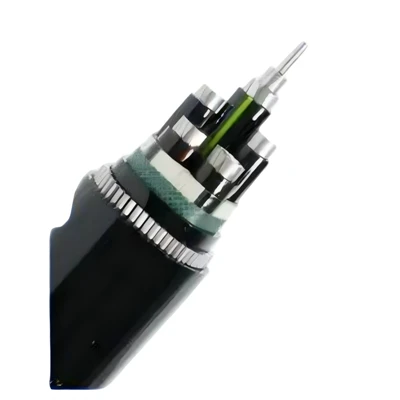
Now, I know you might be thinking about your next project—whether it’s a small machine, a vehicle upgrade, or a new piece of equipment. If you’re tired of tangled wires, constant failures, safety concerns, or high maintenance costs, a wire harness is the solution. As a wire supplier who’s worked with hundreds of clients over the years, I can tell you that a good harness can turn a frustrating project into a smooth, reliable one. If you’re ready to learn more about how a custom wire harness can fit your needs, I’d be happy to discuss your project with you. Just reach out to me to connect and talk through the details, no pressure, just honest advice from someone who’s been in this industry for a long time.
Wire References
- Society of Automotive Engineers. "Wire Harness Design and Performance Standards for Commercial Vehicles." 2021.
- International Electrotechnical Commission. "Requirements for Electrical Wire Harnesses for Industrial Equipment." IEC 60204-1, 2020.
- National Fire Protection Association. "Electrical Safety in Commercial and Industrial Settings." NFPA 70E, 2022.
- Manufacturing Extension Partnership. "Cost Savings from Pre-Assembled Wiring Components for Small Manufacturers." U.S. Department of Commerce, 2019.
- Aerospace Industries Association. "Wire Harness Reliability for Commercial Aerospace Systems." 2020.
Anhui Huawang Cable Co., Ltd.
As one of the most professional wire manufacturers and suppliers in China, we also support customized service. If you’re going to buy discount wire, welcome to get pricelist from our factory. Quality products and reasonable price are available.
Address: No. 32, East Street, Batian Street, Datong Town, Tianchang City, Anhui Province
E-mail: Linda@huawangcable.com
WebSite: https://www.huawang-cable.com/
