As an adventure motorcycle supplier who’s spent more than a decade helping riders navigate both pavement and rutted backcountry trails, I can’t tell you how many times I’ve heard something like, “I just want a bike that can go off-road—why can’t I just grab any old dirt bike and call it good?” That’s the kind of question that makes me sit up a little straighter, because it reveals a common misconception: adventure motorcycles built for off-road aren’t just beefed-up dirt bikes, and regular dirt bikes aren’t the all-around solution most adventure riders need. The difference boils down to your riding style, the terrain you plan to tackle, and how often you’ll switch between city streets and remote trails. Over the years, I’ve worked with everyone from weekend campers who ride a single track on Saturdays to commercial guides who lead multi-week expeditions across the Rockies, and the bikes that work for each group are as different as their goals. Today, I’m breaking down the practical, science-backed factors we walk every customer through when they’re choosing an off-road adventure motorcycle, straight from the shop floor where we see the good, the bad, and the very avoidable mistakes riders make. Adventure Motorcycle
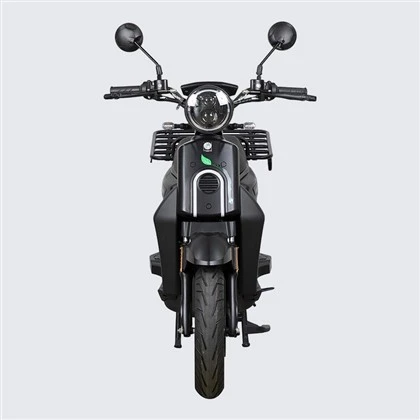
First, let’s start with something that’s often overlooked but makes or breaks a long off-road ride: weight. It’s basic physics, really—the heavier a bike is, the more force you need to lean it, lift it over a fallen log, or balance it on uneven terrain when your feet slip off the pegs. But adventure motorcycles have to balance weight with other essentials: fuel capacity, storage for gear, crash protection, and electronics for navigation. That means there’s a sweet spot most of our customers fall into for true off-road use, and it’s not the lightweight 200cc dirt bikes you’d use for a motocross track. Most serious off-road adventure bikes land between 300 and 400 pounds (dry weight, that’s the weight without fuel, oil, or gear). Bikes lighter than that might feel nimble on tight single track, but they often carry too little fuel to reach remote trailheads or keep going for hundreds of miles between stops. Bikes over 45 pounds feel stable on highways, but they’re a nightmare when you drop them on a rocky trail—something every rider does at least once, I promise. I remember a customer last spring who showed up with a brand-new 550-pound big-bore adventure bike, convinced it would handle the 500-mile backcountry trip he had planned. Three days in, he called us from a dirt pull-off, embarrassed, saying he’d dropped it on a steep slope and couldn’t lift it back up without a tow. We ended up delivering a 350-pound mid-sized model to him, and he finished the trip without a single drop. That’s not to say big-bore bikes are bad—just that they’re not the right fit for pure off-road, which brings me to engine size and type.
Engine choice is where a lot of new riders go wrong, too. I see people come in asking for the biggest engine possible, like more power equals better off-road performance, but that’s not the case. For off-road adventure, you want an engine that has strong low-end torque, not peak horsepower at high RPMs. Torque is what gets you moving from a stop, climbs steep hills, and pulls through loose mud or sand, without needing to shift constantly. Single-cylinder engines are the most common for mid-sized off-road adventure bikes, and for good reason: they’re lighter, simpler, easier to maintain, and their narrow power band makes it harder to accidentally spin out on loose terrain. A 400cc single-cylinder engine, for example, produces enough torque to climb a 30-degree rocky slope at 5 miles per hour without revving hard, and it burns less fuel than a twin-cylinder, which is a huge win for remote areas where gas stations are non-existent. Twin-cylinder engines, on the other hand, are great if you do a lot of highway riding with occasional off-road detours—they’re smoother at high speeds, but they’re heavier and have a wider power band, which can be tricky for new riders on technical single track. I always tell customers: if 70% of your time is off-road, go single-cylinder; if it’s 50/50, a parallel twin with a balanced crankshaft is the sweet spot. Another thing to check here is fuel efficiency. For off-road, you want at least 50 miles per gallon (MPG), because many trails are way from any gas station. A bike that gets 35 MPG might be fine for commuting, but it’ll leave you stranded on a backcountry trail after only 150 miles, which is a frustrating, avoidable problem.
Next up, suspension and ground clearance—two things that are non-negotiable for off-road riding, but most new riders don’t know how to evaluate. Suspension is what absorbs bumps, rocks, and ruts, so you don’t get jostled around or lose control. For off-road, you need long-travel suspension—meaning the front forks and rear shock have enough travel to keep the wheels in contact with the ground over uneven terrain. Most adventure bikes built for off-road have 9 to 11 inches of front travel and 9 to 10 inches of rear travel. If you’re riding tight technical trails, a little less travel (around 8 inches) might feel more responsive, but if you’re hitting rocky descents, more travel is safer. Ground clearance is the distance between the bottom of the bike and the ground, measured when the suspension is fully compressed. You need at least 10 inches of ground clearance to avoid scraping the engine, exhaust, or frame on rocks and stumps. I’ve seen too many riders with bikes that have 8 inches of clearance, and they end up with a cracked engine case or bent exhaust after a single 10-mile trail ride. That said, don’t confuse suspension adjustments with ground clearance. Some bikes let you raise the rear suspension to add 1 to 2 inches of clearance, but you have to make sure the swingarm and chain don’t interfere with the frame when you do that. It’s a small detail, but it’s one we check for every customer before they take a test ride.
Storage and protection are also key, because off-road adventure means you’re carrying gear—water, a first-aid kit, tools, a spare tire, and a tent if you’re camping. But here’s the thing: storage for off-road can’t be the big, bulky hard panniers you use for highway touring. Those are too wide and get caught on tree branches or rocks on narrow single track. Instead, look for soft, waterproof luggage that mounts low on the bike—lower weight distribution makes the bike easier to handle on uneven terrain. Also, make sure the bike has factory-installed crash bars and skid plates. Crash bars protect the engine and handlebars if you drop the bike, and skid plates cover the bottom of the engine to prevent damage from rocks. Some cheap bikes don’t come with these, and adding aftermarket ones can add 20 to 30 pounds to the bike, which defeats the purpose of a lightweight off-road model. We always recommend bikes that come with standard crash protection, because it’s cheaper in the long run and saves you from having to modify the bike right away.
Electronics are another modern factor that matters for off-road, and it’s not just fancy features—they’re safety tools. A good off-road adventure bike should have a rugged GPS mount, not the flimsy ones that fall off when you hit a bump, and it should be compatible with off-road navigation software like TracksAfrica or Komoot, which let you download trails even when you’re out of cell service. Traction control is also a big one: it limits wheel spin on loose dirt or sand, which prevents you from crashing when you accidentally twist the throttle too hard. For new riders, traction control can be a lifesaver, but make sure it’s adjustable—you want to be able to turn it off when you’re riding on hard-packed dirt, because it can sometimes interfere with your ability to drift or maneuver on technical trails. ABS (anti-lock braking system) is another point of debate: some riders swear by it for safety, others turn it off to lock the rear wheel for better control on loose surfaces. Look for a bike with switchable ABS, so you can turn it off when you’re off-road and have it on for pavement riding. We see a lot of customers who skip the ABS option, but when they take a test ride on a slippery dirt road, they come right back and add it.
Now, let’s talk about test rides—something I can’t stress enough. Anyone can read specs on a website, but the only way to know if a bike feels right is to ride it. When we do test rides for off-road adventure bikes, we take customers on a 10-mile route that mixes pavement, gravel roads, and a short section of tight single track, so they can feel how the bike handles in different conditions. Important things to notice during the test: can you reach the ground easily when you stop (critical for balance on uneven terrain)? Does the bike feel heavy when you lift it off the kickstand? How does the suspension feel over bumps? Does the engine have enough torque for the hills? A lot of riders test only on pavement, and they miss the key off-road qualities that make a bike work. Last year, a customer test-rode two bikes on our pavement lot, picked the heavier one because it felt stable at high speeds, and then took it on a trail where he couldn’t lift it when he dropped it. We switched him to the lighter model, and he’s been a repeat customer ever since, referring his friends.
Finally, don’t forget to factor in maintenance and parts availability. Off-road adventure bikes get a lot of wear and tear: rough terrain, dust, mud, and exposure to the elements. You want a bike that has readily available parts, so you don’t have to wait weeks for a replacement if something breaks on a trip. Japanese manufacturers (Honda, Yamaha, Kawasaki) lead here, with dealerships and parts stores in even remote areas of most countries, while some smaller European brands have fewer parts available off-road. Also, look for a bike with a simple design that’s easy to work on at home—you don’t want to have to take it to a mechanic for every oil change or minor repair, especially when you’re on a multi-week trip. We offer free maintenance workshops for our customers, where we teach basic off-road maintenance, and most of our recommended models are simple enough that even new riders can do small repairs on their own.

At the end of the day, choosing an off-road adventure motorcycle isn’t about getting the most expensive or the biggest model—it’s about matching the bike to your specific needs. If you’re a weekend rider who sticks to gravel roads and occasional single track, a mid-sized 350-pound single-cylinder bike is perfect. If you’re doing a multi-month expedition across remote terrain, you’ll want a slightly bigger model with more fuel capacity and storage, but still under 400 pounds. If you’re still learning, prioritize low seat height, adjustable traction control, and switchable ABS to build your confidence on and off the pavement. If you’re ready to start planning your next off-road adventure, we’re here to help—our team has ridden hundreds of trails around the world, and we can walk you through test rides, maintenance plans, and gear to make sure you pick a bike that feels like an extension of you. To discuss your needs and explore our selection, reach out to our team today.
Two-Wheeled Motorcycle References
Adventure Motorcycle Industry Association. (2022). Off-Road Motorcycle Performance Standards.
Dirt Rider Magazine. (2021). The Ultimate Guide to Choosing an Adventure Bike for Dual-Sport Riding.
International Dual Sport Riders Association. (2023). Weight and Handling Analysis for Off-Road Adventure Motorcycles.
Zhejiang Siekon Motor Technology Co., Ltd.
Zhejiang Siekon Motor Technology Co., Ltd. is one of the most professional adventure motorcycle manufacturers and suppliers in China, featured by quality products and good service. Please feel free to wholesale advanced adventure motorcycle made in China here from our factory. Also, custom service is available.
Address: Building 3, No. 112 Gaoxin East 1st Road, Tongxiang Economic Development Zone, Tongxiang City
E-mail: wsy@xkjsq.com
WebSite: https://www.siekonmotorcycle.com/
