As an industrial hose supplier, I’ve spent the last 12 years walking job sites, troubleshooting leaks, and listening to plant managers complain about downtime that costs them thousands—sometimes tens of thousands—every hour. Last quarter alone, a client in the Midwest shut down their food processing line for 18 hours after a hydraulic hose leak contaminated their raw ingredient batch. That’s not a rare story. Industrial hose leaks aren’t just a nuisance; they’re a drain on productivity, safety, and profit. Today, I want to pull back the curtain on what actually works to prevent them, not just the generic advice you’ll find on industry forums, but the practical, science-backed steps we’ve tested with hundreds of clients. Industrial Hoses
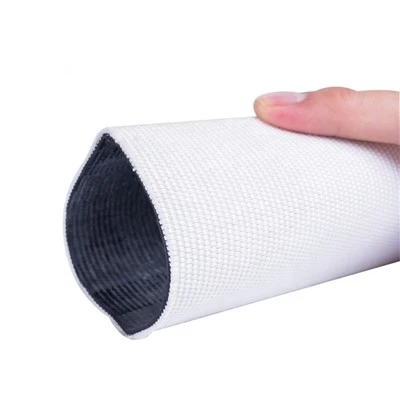
First, let’s get one thing straight: a lot of leaks aren’t a result of “bad luck” or cheap parts. Most are preventable, and the root causes are almost always overlooked before the hose even reaches the job. Let’s start at the beginning: matching the right hose to the application. I see this every week—someone grabs a 2-inch general-purpose rubber hose for a high-pressure mining slurry line, and wonder why it splits after three days. It sounds simple, but specification matching is non-negotiable.
Industrial hoses aren’t one-size-fits-all. There are thermoplastic hoses for chemical transfer, rubber hoses for abrasive materials like sandblasting, and Teflon hoses for extreme temperatures up to 500°F. Each has a rated working pressure, bend radius, and chemical compatibility. For example, a hose marked for 300 PSI working pressure will fail if you run 350 PSI through it—even if it fits the connection. We once had a construction client try to use a garden-variety water hose for a 400 PSI concrete pump; it burst mid-pour, wasting 2 yards of concrete and 2 hours of labor. The fix? We matched them to a heavy-duty concrete hose with a 500 PSI burst rating, and they haven’t had a leak in two years. The lesson here: don’t rely on guesswork. Cross-reference your application’s parameters with the hose’s specifications, and when in doubt, ask your supplier. That’s what we’re here for, after all.
Next, proper installation is 50% of the battle. Even the highest-quality hose will leak if it’s installed wrong. Let’s talk about the most common installation mistakes: kinking, incorrect fitting crimping, and neglecting bend radius. Kinking happens when you bend a hose too sharply at the connection point. Every hose has a minimum bend radius—bend it tighter than that, and you’ll crack the inner lining or weaken the outer reinforcement layer over time. I once visited a power plant where a steam hose was bent so tight around a pipe that it looked like a paper clip; it leaked every few weeks, even though it was rated for 150 PSI. All it took was re-routing the hose to a wider path, and the leaks stopped.
Then there’s fitting crimping. This is make-or-break. If you crimp a hose too lightly, the end will pull away, causing leaks. Crimp it too hard, and you’ll slice through the inner lining, leading to internal leaks that you can’t see until the hose fails. The key here is using the right crimping tool for your hose size and type, and verifying the crimp with a caliper. We train all our clients to measure the crimped sleeve’s diameter against the manufacturer’s spec—for example, a 1-inch hydraulic hose should have a crimp diameter of 1.125 inches, give or take 0.01 inches. Skipping this step is like tightening a bolt with a wrench too loose or too tight: it will fail.
Another installation mistake I see regularly is not supporting the hose properly. A hose that hangs loosely between two connections will pull on the fittings every time the system pressurizes, loosening them over time. We recommend using hose hangers or clamps every 3 to 5 feet, depending on the hose size, to take stress off the connections. For heavy hoses carrying bulk materials like coal or grain, even more support is necessary—those hoses can weigh hundreds of pounds, and without proper support, the fittings will pull right off the end of the hose.
Once the hose is installed, the next step is regular inspection and maintenance. A lot of plants treat hoses as “set it and forget it” parts, but that’s a costly mistake. Even the best hose will degrade over time, especially in harsh environments. Let’s break down what to look for during inspections, and how often to do them. For most general applications, a monthly visual inspection is enough, but for harsh environments—like chemical plants, mining sites, or food processing facilities—you should inspect every two weeks.
What should you check? First, look for visible damage: cracks in the outer cover, bulges (which mean internal blisters from pressure buildup), frayed reinforcement layers, or soft spots from chemical exposure. Chemical exposure is a big one—if a hose is carrying corrosive material, even a small spill on the outer cover can eat through the lining over weeks or months, leading to internal leaks. We had a chemical plant client who noticed a small stain on their transfer hose during a routine inspection; testing showed the stain was a weak acid that had already started to degrade the inner lining. They replaced the hose early, avoiding a potential spill that could have shut down their line and cost $100,000 in cleanup.
Second, check the fittings. Tighten any loose fittings, and look for signs of corrosion or wear on the metal ends. If a fitting has rusted, it won’t form a proper seal, and leaks will follow. Also, check for fluid seepage around the fitting base—if you see small drips, that’s a sign the crimp is failing or the seal is worn. Don’t ignore small drips; they’re the precursor to a major leak.
Third, test the hose periodically with a pressure test. For critical applications—like hydraulic lines or steam hoses—testing every 6 months is a good idea. This involves pressurizing the hose to 1.5 times its working pressure and checking for leaks or deformation. Pressure tests can catch internal damage that you can’t see during a visual inspection. For example, a hose might look fine on the outside, but have a weak spot in the reinforcement layer that will fail under full pressure. A pressure test will identify that before it causes an outage.
Another key part of maintenance is proper storage. A lot of warehouses stack hoses on top of each other, leave them lying on the concrete floor, or expose them to sunlight and extreme temperatures when not in use. All of this accelerates degradation. Ultraviolet light from sunlight breaks down rubber and thermoplastic hoses, making them crack and become brittle. Extreme heat softens the lining, while cold temperatures make it rigid and prone to splitting. To store hoses properly, keep them in a cool, dry place, off the floor, in a rack that holds them horizontally (not standing on end, which can cause the inner lining to deform). Also, avoid bending stored hoses, even when not in use—keep them coiled to their minimum bend radius, and don’t place heavy objects on top of them. We’ve had a client who stored 20 large hydraulic hoses in a pile by the loading dock; after 3 months of sun exposure, half of them cracked when they tried to use them. Storing them properly would have extended their lifespan by at least a year.
Now, let’s talk about when to replace a hose. Even with the best care, industrial hoses have a finite lifespan. Don’t wait for a leak to replace one—replace it before it fails. How often? It depends on the application: general-purpose hoses last 1 to 3 years, while heavy-duty hoses in harsh environments last 6 months to 2 years. If you notice any of the following, it’s time for a replacement: visible cracks, bulges, or frayed covers; leaks around the fittings; soft or spongy spots; or a bend radius that is tighter than the manufacturer’s recommendation.
One mistake I see here is reusing hoses for different applications. A hydraulic hose that worked for a forklift line shouldn’t be repurposed for a water transfer line. Each hose is designed for a specific pressure, temperature, and chemical environment, so reusing them in a new application is a recipe for a leak. We recently had a small manufacturing client who tried to reuse an old air hose for a coolant line; it burst under pressure, spilling coolant all over their shop floor and damaging a piece of equipment. Replacing it with a hose rated for coolant would have cost $150, versus the $2,000 in damage they incurred.
Let’s also address two common myths I hear all the time: “Cheap hoses are the best value” and “Leaking hoses are just part of the job.” Let’s debunk both. Cheap hoses might have a lower upfront cost, but they fail much faster, leading to downtime, repairs, and safety risks. A $50 general-purpose hose that lasts a month and causes $1,000 in downtime is a bad investment, while a $200 heavy-duty hose that lasts two years and never leaks is a far better value. We’ve seen clients switch from cheap off-brand hoses to our mid-range industrial hoses, and their hose-related downtime dropped by 75% within the first year.
As for leaks being “just part of the job”—that’s a mindset that costs businesses money, and it’s preventable. A leak doesn’t have to shut down a line or create a safety hazard. Every step we’ve talked about—proper specification, correct installation, regular inspection, proper storage, and timely replacement—adds up to almost eliminate leaks. We have clients who go 3 to 5 years without a single hose leak, just by following these steps.
Now, let’s cover safety, which is a big part of hose leaks. Many industrial hoses carry flammable fluids, toxic chemicals, or high-temperature steam. A leak can cause fires, explosions, or exposure hazards that harm workers. For example, a hydraulic fluid leak in a machine room can create a slippery surface that leads to falls, or if the fluid is flammable, a spark can ignite it. Chemical leaks can cause skin burns or respiratory damage. Preventing leaks isn’t just about saving money—it’s about keeping your workers safe, and that’s non-negotiable.
At the end of the day, preventing industrial hose leaks isn’t rocket science, but it does require attention to detail and a commitment to regular maintenance. It starts with working with a supplier you can trust—someone who will help you select the right hose for your application, train your team on proper installation and inspection, and provide high-quality hoses that stand up to harsh conditions.

If you’re tired of hose leaks causing downtime, costing you money, or putting your workers at risk, I’d love to help you find a solution. We specialize in industrial hoses for every application, from hydraulic lines to chemical transfer, concrete pumping, and food processing. Our team can assess your current setup, identify weak points, and provide tailored recommendations to reduce or eliminate hose-related issues. Whether you need to replace aging hoses, train your staff, or source durable, reliable parts, we’re here to work with you to find what works for your business. Reach out to us today to schedule a consultation, and let’s turn those leaky hose problems into a thing of the past.
General Fire Hoses References:
- Industrial Hose Safety Association. (2022). Best Practices for Industrial Hose Maintenance and Leak Prevention.
- National Fire Protection Association. (2021). NFPA 70: Standard for Electrical Installations (for hose-related electrical hazard guidelines).
- American Society of Mechanical Engineers. (2020). ASME B31.3: Process Piping Code (hose specification and installation standards).
- Rubber Manufacturers Association. (2023). Industrial Hose Degradation and Lifespan Guidelines.
Taizhou Qituo Fire Fighting Equipment Co., Ltd.
As one of the most professional industrial hoses manufacturers and suppliers in China, we also support customized service. We warmly welcome you to wholesale bulk advanced industrial hoses made in China here from our factory. If you have any enquiry about quotation, please feel free to email us.
Address: Room 401, Unit 1, Building 4, Jinhua Garden, Sanshui Avenue, Tianmushan Subdistrict, Jiangyan District, Taizhou City, Jiangsu Province
E-mail: sales@qtfire.com
WebSite: https://www.qtfire.com/
