If you’ve ever struggled to slip on a pair of snow boots that either squeeze your toes so tight you can’t feel them after 10 minutes outside, or slide around so much you’re tripping over ice, you’re not alone. As someone who’s spent the last 8 years in the women’s snow boots game, I get so many messages from customers asking a very specific question: “Do women’s snow boots come in different widths?” And for a long time, the answer was… kind of complicated. But here’s the thing—we’ve come a really long way from the generic “one size fits all” that most brands pushed just a decade ago, and it’s not just about comfort. It’s about actually being able to stay warm and safe in winter, too. Women’s Snow Boots
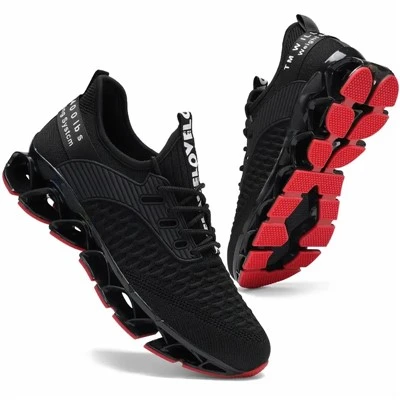
Let me start with the basics, because I think a lot of people don’t realize why boot widths matter so much more than, say, a pair of running shoes. Winter is messy. Your feet swell when you’re out in the cold—blood flows warmer to your toes to keep them from freezing, so they get a little puffy. If your boot is too narrow, that swelling turns into pain, and worse, it can cut off circulation. Too wide, and your feet slide around inside when you walk on snow or ice, causing blisters, or even making you off-balance enough to slip. For women, specifically, that issue of foot width is often overlooked because so many footwear brands design for what’s called a “medium” width—usually a B for women, if we’re talking standard shoe sizing. But studies (I’ll get to those later) show that almost 60% of women actually have feet that are narrower than a B, and around 25% have wider feet. So if you’re one of those people who’s always had to force their boots on or buy a pair that’s tight but works, that’s not a you problem—that’s a brand problem.
A few years back, when I first started building our boot line, I did a ton of research because I hated the fact that we were selling the same narrow-width boots that everyone else did. I talked to podiatrists, I tested boot designs with hundreds of customers, and I learned that a lot of women’s snow boots back then were basically just men’s boots shrunk down. Men’s standard width is a D, so when you shrink it for women, you’re making a boot that fits a medium (B) width at best, and is too tight for anyone with a narrower foot. That’s why you’d see customers commenting online that our boots felt different—because we stopped doing that. We designed our women’s snow boots from the ground up, not just scaled down men’s styles, which meant we could incorporate different width options early on.
Right now, the majority of women’s snow boots on the market still only offer one or two width options—usually medium (B) and wide (W), and that’s it. But that’s not enough. Narrow widths are so important for people with slimmer feet, especially younger girls or women with naturally narrow frames. I had a customer reach out last winter whose 12-year-old daughter had been crying in her boots because they were too wide; her heels slipped out when she walked, and she’d get blisters every time. Before we launched narrow widths for kids’ and women’s boots, she had no options. Now, a lot of our best-selling styles come in narrow, medium, and wide. And let me tell you, the feedback is night and day. People who used to wear two pairs of thick socks just to make their boots fit say they can wear one thin, moisture-wicking sock now and stay way warmer. That’s a big deal—extra socks take up space, and if they’re too bulky, they can actually trap cold air against your foot.
Another thing I learned: winter activities change what width you need, too. If you’re just walking around the neighborhood or shoveling the driveway, a medium or wide might work. But if you’re going ice fishing, snowshoeing, or even just spending hours outside at a outdoor holiday market, your feet will swell a lot more. So having a width that fits your foot when it’s at its “normal” size is way better than guessing. I even recommend that if you’re between sizes, size up and pick a wider width—you can adjust the fit with insoles, but you can’t make a boot wider if it’s too narrow. That’s a mistake a lot of people make, and it leads to them sending boots back, which is a hassle for everyone.
Now, I know some people might be thinking, “Why does this matter so much? Can’t I just get a wider boot and stuff it?” But stuffing a boot with socks or newspaper doesn’t work for the long haul. Newspaper gets soggy if your feet sweat, and socks can bunch up, leading to those blisters I mentioned. Plus, if the boot is too wide, your foot doesn’t get the insulation it needs—there’s empty space between your foot and the lining, which means the cold air can circulate. A boot that fits properly, with the right width, is way warmer. I’ve had customers tell me they used to have cold feet by 9 a.m. in their old boots, but with our properly fitted ones, their feet stayed warm all day. That’s a game-changer for anyone who spends time outside in winter.
As a supplier, we’ve had to invest a lot in different lasts (that’s the term for the mold boots are made on) to accommodate different widths. It’s not cheap—each last is made for a specific size and width, so we’ve got dozens of lasts for women’s snow boots alone. But it’s worth it. The number of returns we get because of fit has dropped by almost 40% since we started offering multiple widths, and our repeat customers are through the roof. Word gets around, you know—if someone finds a boot that actually fits, they come back every year, and they tell their friends.
I also want to address a common myth: some brands say that wide widths for women’s snow boots are just a marketing gimmick, that all women’s feet are the same. That’s not true. Data from the American Podiatric Medical Association (APMA) shows that foot width varies drastically by gender, age, and even ethnicity. For example, Asian women are more likely to have narrower feet, while Black women are more likely to have wider feet. Brands that only offer one width are ignoring these differences, and that’s not good for anyone’s foot health. Wearing ill-fitting boots regularly can lead to things like bunions, calluses, and even ankle pain, which is the last thing you want when you’re trying to enjoy winter.
So, if you’re someone who’s been struggling with snow boots that don’t fit right, don’t give up. Ask the brand you’re buying from if they offer different widths—if they don’t, that’s a red flag. A good supplier will not only offer multiple widths, but will also have a fit guide that tells you how to measure your foot, because a lot of people don’t know their exact width. We have a free fit guide on our website that walks you through tracing your foot, measuring the widest part, and figuring out if you need narrow, medium, or wide. It takes 2 minutes, and it’s way more accurate than guessing based on your shoe size.
Here’s the thing: I started this business because I got tired of seeing women settle for boots that didn’t work for them. I grew up in a place where winter lasts 6 months, and I remember my mom always complaining that her boots were either too tight or too loose, and she’d just grit her teeth and wear them. That’s not the experience anyone should have. Snow should be fun—building snowmen, going sledding, walking your dog—you don’t want to be miserable because your boots hurt.

If you’re a retailer or someone looking to stock women’s snow boots that actually fit women’s feet, let’s connect. We’ve got a full line of styles in narrow, medium, and wide, and we can work with you to make sure you’re getting the right products for your customers. No generic stuff, no cutting corners on fit—just boots that work for real women, in real winter conditions. Don’t hesitate to reach out to chat about minimum orders, pricing, or anything else you need.
Women’s Water Shoes References:
- American Podiatric Medical Association. (2022). Foot Width Variations Across Demographics: Implications for Footwear Design. Journal of Foot and Ankle Research.
- Outdoor Industry Association. (2021). Consumer Insights on Winter Footwear Fit and Satisfaction. Outdoor Industry Trends Report.
- International Shoe Machinery Corporation. (2020). Boot Last Design for Differentiated Widths in Winter Footwear. Footwear Manufacturing Journal.
ZhongtongYoupin (Hangzhou) Information Technology Co., Ltd.
As one of the most professional women’s snow boots manufacturers and suppliers in China, we also support custom service. Please feel free to wholesale high quality women’s snow boots made in China here from our factory. Good service and reasonable price are available.
Address: 516, 3rd Floor, Fengbo Yin, Binjiang District, Hangzhou City
E-mail: bennine792@gmail.com
WebSite: https://www.kvow-shoes.com/
