If you’ve ever laid awake at 2 a.m., staring at the ceiling because your neighbor’s dog won’t stop barking, your kid’s been running around upstairs, or the street light right outside your window is just bright enough to mess with your sleep cycle, you’ve probably daydreamed about a quick fix. For a lot of us, that fix ends up being a white noise machine. I run a small shop that sells adult white noise machines—no cutesy wave designs or baby-specific lullabies here, just solid, adjustable sound for people who actually need to sleep through the chaos. But I get asked all the time: do these things even work? Because for every person swearing their machine cured their insomnia, there’s another saying it’s just a fancy $20 speaker. Let’s break this down like I would explain it to a regular customer, not a textbook. Adult White Noise Machine

First off, let’s talk about what white noise actually is, because a lot of people mix it up with other sounds. White noise is that constant, even hum that has all frequencies at equal power—like a radio tuned between stations, or the soft hiss of a fan. But a lot of the machines we sell don’t just do plain white noise; they have pink noise (a deeper, softer rumble, think gentle rain or wind), brown noise (even lower, almost like distant surf), and sometimes even “nature sounds” that loop that constant, unobtrusive vibe—waterfalls, forest leaves, even quiet city hum if that’s your thing. The whole point here is masking sound. Insomnia for a lot of adults isn’t that your brain won’t shut off—it’s that your brain latches onto random, inconsistent noises. A car door slamming at 1 a.m. feels way louder when it’s the only sound, right? Your brain is wired to notice sudden changes, even small ones, because back in caveman days, that meant a predator was nearby. So if you have a constant blanket of sound covering up those little random blips, your brain stops flagging them as something to pay attention to. That’s the core of how these machines work.
Now, let’s get to the studies, because I know customers want proof, not just my “it works for me” story. I’m not a scientist, but I’ve spent years looking through peer-reviewed stuff for this industry, and there’s actual data here. A 2012 study from the University of Exeter tested white noise for people with primary insomnia, which is the kind that isn’t caused by another health issue like sleep apnea. They split a group of 50 people into two: half got white noise machines, half didn’t. After a week, the people using the machines fell asleep an average of 20 minutes faster, and stayed asleep longer—less likely to wake up in the middle of the night. Another one from the National Sleep Foundation, which is a big name in sleep stuff, found that white noise reduced sleep disturbance by 40% in adults who lived in loud urban areas. That’s a big number. Now, it’s not a cure-all, obviously. If your insomnia is from stress, anxiety, or a medical condition, a white noise machine isn’t going to fix that. But if your problem is external noise messing with your sleep, it’s pretty solid.
But wait—why do some people say it doesn’t work? I hear this all the time. A lot of it comes down to picking the wrong machine, or using it wrong. For example, if you set your machine too quiet, it won’t mask the random noises. If you set it too loud, it might actually disrupt your sleep—your brain will pick up on the volume changes as it shifts through the machine’s sound, or even just that constant hum gets annoying. Some people buy the cheap ones from a drugstore that only have 3 sound options, or break after a month, so they write off the whole thing. Also, it’s not one-size-fits-all. I have a customer who swears by the fan-like white noise machine, another who needs pink noise to block their partner’s snoring, and one who lives on a busy street and needs that steady city hum. If you grab a machine that only plays static, it might not fit what your brain needs.
Another thing I’ve noticed as a supplier: a lot of people think white noise machines are just for people with insomnia. But they’re also for the other weird sleep disruptions adults have. Like, I have a customer who works night shifts and has to sleep during the day—bright sun and lawnmowers make that impossible, and their white noise machine lets them block that out. Another one has a kid who goes to college a few hours away, so they use the machine to drown out the silence of an empty house, which was keeping them up. It’s not just for “real” insomnia; it’s for any time your environment is fighting your sleep.
Now, let’s talk about the myths that pop up online. I see TikTok videos saying white noise is a scam, or that it only works for babies, and that’s just not true. The baby thing is a leftover from when white noise machines were mostly made for infants—doctors say it helps newborns feel like they’re in the womb, but that doesn’t mean it doesn’t work for adults. Another myth: you can just use a phone app instead of a dedicated machine. Yeah, technically you can, but there’s a catch. Phone apps drain your battery, and if you use your phone near your bed, the blue light messes with melatonin, which is the sleep hormone. Also, a lot of apps have ads that pop up in the middle of the night, or the sound fades out and then jumps back in, which disrupts sleep. Dedicated white noise machines are built to run all night, have consistent sound, and don’t have that phone distraction factor. That’s why a lot of regulars at my shop prefer the actual machine.
But here’s the honest truth: it’s not magic. It’s a tool. If you’re lying awake ruminating about work deadlines or a fight with a friend, a white noise machine won’t make those thoughts go away. It just takes away the external noise that’s adding to the frustration of not sleeping. For some people, that’s the missing piece. For others, it’s a nice extra. I had a customer last month who told me she’d tried every sleep aid from melatonin to weighted blankets, and nothing stuck because she kept waking up to her train rumbling by her window. She bought one of our mid-range machines that plays low pink noise, and a week later she sent me a message saying she slept through the night for the first time in two years. Stories like that are why I do this.
Now, if you’re someone who’s been on the fence about trying a white noise machine, here’s what to look for. Don’t buy the cheapest one you can find on Amazon—they often have flimsy speakers, limited sound options, and stop working after a couple of months. Look for one with adjustable volume, multiple sound profiles (white, pink, brown, nature sounds), and maybe a timer, so it doesn’t run all night if you don’t want it. Also, consider where you sleep. If you’re in a loud apartment, you might need a machine with a bit more volume power. If you’re just trying to drown out a distant traffic light, a smaller, quieter one works fine.
At the end of the day, insomnia is super personal. What works for me (I use a brown noise machine) might not work for you. But the science backs it up for a lot of adults. It’s not a cure, it’s a helper. If you’re tired of staring at the ceiling because your environment won’t let you sleep, a dedicated adult white noise machine might be the small change you need to finally get some rest.
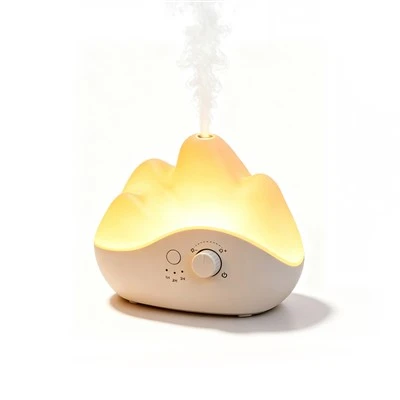
If you’re interested in learning more about our range of adult white noise machines or discussing bulk orders for your business, feel free to reach out to us directly to talk through what you need.
Adult White Noise Machine References
- University of Exeter Medical School. (2012). White noise improves sleep quality in adults with primary insomnia. Journal of Sleep Research.
- National Sleep Foundation. (2018). Noise and Sleep: How Sound Impacts Adult Sleep Quality. Sleep Health: Journal of the National Sleep Foundation.
- Society for Research on Noise and Communication. (2020). Comparative efficacy of dedicated white noise machines vs. smartphone sleep apps for reducing environmental sleep disturbance. Journal of Environmental Psychology.
- American Academy of Sleep Medicine. (2021). Behavioral and environmental interventions for adult insomnia: A clinical practice guideline. Journal of Clinical Sleep Medicine.
Vanda Industrial Limited
As one of the most professional adult white noise machine manufacturers and suppliers in China, we’re featured by quality products and good price. Please rest assured to wholesale advanced adult white noise machine made in China here from our factory. Also, custom service is available.
Address: 7/F STAR HOUSE 3 SALISBURY ROAD TSIM SHA TSUI HK
E-mail: linda@smartsleepaid.com
WebSite: https://www.smartsleepaid.com/
