Hey there, let’s cut to the chase—if you’ve ever dealt with fluid or gas systems, chances are you’ve heard of a ball check valve, even if you didn’t know it by name. I’m a check valve supplier who’s talked these parts through with plumbers, HVAC techs, and even guys who fix industrial chemical lines for years, so I get this stuff isn’t just for textbooks. It’s one of the most workhorse, no-fuss parts out there, and today I’m breaking down what it actually does, how it works, and why you probably need one in your system. Check Valve
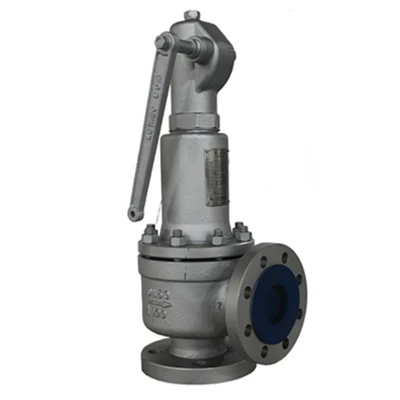
First off, let’s skip the jargon. A check valve’s whole job is simple: it lets fluid (water, oil, whatever) or gas flow only one way. No backflow, no mess, no ruined parts from stuff going the wrong direction. A ball check valve is just one specific type of check valve that uses… yep, a ball—usually metal, sometimes plastic, even ceramic for heavy-duty jobs—as the closure piece.
Here’s how it works, in plain terms, no fancy diagrams. Imagine a little hollow pipe with a small, tight seat at one end, and that ball sitting right on the seat. When fluid or gas pushes through from the correct direction, it’s strong enough to lift the ball off the seat. That lets stuff flow right through the valve. The second flow tries to go the other way? Boom—pressure from the reverse side shoves the ball back down onto that seat, airtight or liquid-tight, so nothing gets past. It’s like a one-way door, but way more reliable than a flimsy door. No springs, no extra moving parts most of the time, which is why these things don’t break easily.
Wait, I should mention there are a few common setups for ball check valves, and I see these all the time depending on the job. The first is the inline style—super common for plumbing, small industrial lines, even RV water systems. It’s just a straight pipe with the ball and seat inside, so you cut the pipe and slip it in. I’ve sold these to plumbers fixing backflow on sink faucets, and they swear by ‘em—they’re cheap, install fast, and almost never leak. Then there’s the spring-loaded ball check valve, which is for when you need extra oomph to keep the ball sealed. Like, if you’re running high-pressure gas or heavy crude oil? A regular ball might jiggle a little from vibration, so a tiny spring pushes the ball tight against the seat, even when pressure shifts. I work with oil and gas outfitters who use these for their pump suction lines—no backflow there saves them thousands in repair bills every time. Oh, and there’s the swing check valve? No, wait, that’s a different type—let’s stay on topic. Ball check valves also come in mini versions for medical devices, like insulin pumps or lab equipment. I’ve supplied tiny plastic ball valves for a diagnostic lab once, and those are a whole other beast—they have to be sterile, no corners to trap fluid, so even a little dirt can ruin a sample.
Now, let’s talk real-world uses, because that’s what actually matters. Most people don’t think about these until they have a problem. You’ve ever had your washing machine flood because water ran back into the supply line? That’s backflow, and a ball check valve is the fix. I can’t count how many calls I’ve gotten from homeowners panicking over that exact thing—they didn’t know a $10 valve would stop it cold. Then there’s HVAC systems: if your furnace’s condensate line backs up, that’s a surefire way to wreck your AC unit. Stick a ball check in that line, and it only lets condensate flow out, no air or water creeping back in. Industrial stuff is where the big boys get used, though. Chemical processing plants rely on ball check valves to keep corrosive liquids from mixing the wrong way—one wrong backflow could blow up a batch and cost millions. And don’t forget fuel systems: cars, generators, even boats. A boat’s fuel tank needs a check valve to make sure fuel doesn’t flow back to the engine when you turn off the ignition. I supply a lot of marine parts shops with these, because saltwater and vibration are brutal—ball valves hold up way better than flapper types in those conditions.
Here’s the thing that trips people up, though: not all ball check valves are the same. If you grab the cheap plastic one from the hardware store for a plumbing job, it’ll work for a year or two. But if you stick that same valve in a high-pressure air compressor, it’ll crack in months. Materials matter. Stainless steel is for water, oil, mild chemicals. Brass is for plumbing, less corrosion, easy to machine. Plastic (CPVC, PVC, PVDF) is for cheap, non-corrosive stuff, but don’t use it for hot water over 140°F— it melts. Ceramic balls? For abrasive fluids, like slurries, because regular metal balls will wear down fast. I always tell folks to match the valve to their specific fluid, pressure, and temperature, or you’re just wasting money. I’ve seen guys save $5 on a valve that fails in 6 months, end up paying $500 in repair costs because their pump burned out. That’s a rookie mistake.
Wait, what about common misconceptions? A lot of people mix up ball check valves with other check valves, like flapper or piston types. Flapper valves are for low-pressure, like toilets, but they can leak if the flapper wears. Piston valves are for higher pressure, but they have more parts, more to go wrong. Ball check valves? They’re simpler, so fewer points of failure. The only downside is they have a little more “cracking pressure” — meaning you need a tiny bit more pressure to lift the ball off the seat, compared to a flapper. But for most applications, that’s negligible. Unless you’re dealing with super-low pressure, like a gravity-fed water system, then maybe a flapper works better, but 90% of the time, ball is the way to go.
Another thing: installation best practices. I see guys install these backwards all the time, and wonder why they don’t work. The valve has an arrow on it, usually—you have to point that arrow in the direction you want flow. If you install it the wrong way, it’ll stop flow entirely, backflow, or just rattle weird. Also, don’t stick it where there’s a lot of sediment, unless you get a wetted ball valve that self-cleans. Sediment gets between the ball and seat, and then it won’t seal. I had a customer once install a valve near a muddy irrigation line, and after a month, it wouldn’t close. We swapped it for a model with a larger clearances, problem solved. That’s the kind of thing I help with every day, not just “here’s a valve” — I troubleshoot too.
Now, why should you care? Let’s put it in dollars and cents. A good ball check valve costs $10 to $100, depending on size and material. If you skip it, backflow can ruin pumps, motors, whole systems. I had a manufacturing customer a few years ago who skipped installing a check valve on their paint mixing line. The next shift, someone turned off the pump backwards, and paint flowed back into the clean water line, which went to their filling station. They had to flush 500 feet of pipe, replace two pumps, and lose a week of production—all because they thought “I don’t need that little valve.” That’s avoidable.
As a supplier, I’m not here to push a random valve on you. I’ve been doing this long enough to ask the right questions: what’s your fluid? What’s the pressure? Temperature? How much flow do you need? Do you have sediment? Vibration? That’s how I help you pick the right ball check valve, not just the cheapest one. I’ve worked with everything from residential plumbers to Fortune 500 industrial firms, so I know the ins and outs of every type, and I can hook you up with the exact part you need, no fluff.
If you’re dealing with backflow issues, upgrading a system, or just want to add reliable one-way flow to something you’re building, don’t guess. Reach out, tell me what you’re working on, and I’ll give you straight, no-BS advice. I don’t do hard sales—if a ball check valve isn’t right for your job, I’ll tell you that and point you to the right part, no questions asked.
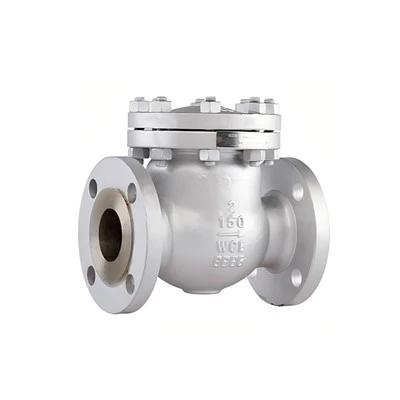
At the end of the day, a ball check valve is one of those quiet heroes in fluid and gas systems. It doesn’t brag, it just works 24/7, stopping messes and saving you money. Don’t sleep on it—pick the right one, install it right, and it’ll last for years.
Plunger Valve References:
- Engineering ToolBox. "Check Valves – Types, Sizes and Functions."
- P.E. Parsons. "Valve Selection Handbook: Hydraulic Fundamentals, Second Edition."
- Fluid Power Journal. "A Guide to Ball Check Valves for Industrial Applications."
Wenzhou Starry Valve Co., Ltd.
Wenzhou Starry Valve Co., Ltd. is one of the most professional check valve manufacturers and suppliers in China, also supports customized service with low price. Please feel free to buy the newest check valve made in China here from our factory. Welcome to contact us for pricelist.
Address: No.4900, 3rd Road, Binhai Industrial Park, Wenzhou Economic & Technological Development Zone, Wenzhou City
E-mail: starryvalves@163.com
WebSite: https://www.starryvalves.com/
