Hey there, let’s cut to the chase: if you’re in the gas industry, chances are you’ve wasted hours researching valves that don’t leak, hold up under pressure, and don’t cost an arm and a leg. As a plug valve supplier that’s been in the game for over a decade, I get it—most people default to ball valves or gate valves for gas service, but I swear plug valves are sleepers that deserve way more credit. Today, I’m breaking down whether they’re actually worth the hype for gas, and giving you the straight scoop no sales rep will feed you. Plug Valve

First, let’s talk about what makes gas service tricky, right? Gas (whether it’s natural, LPG, or even specialty industrial gas) isn’t like water. It’s high-pressure, can be corrosive, and leaks equal safety risks—big ones. You can’t mess around when it comes to fugitive emissions or blowouts. So whatever valve you pick needs three core things: a tight shutoff, durability under harsh conditions, and ease of maintenance when something’s off.
Let’s start with the big question: do plug valves actually seal well enough for gas? I’ve seen a lot of debate online—some people say they’re sloppy, others swear by them. Here’s the real deets: modern plug valves aren’t your grandpa’s leaky old wooden plug. The ones we supply use two main sealing designs: lubricated and non-lubricated. For gas, non-lubricated variants are way more common these days because lubricated ones used to have issues with lube breaking down under high pressure or contaminating the gas stream (which is a no-go for pure specialty gases). Non-lubricated uses precision-machined plugs—think 0.001-inch tolerances, so they fit almost perfectly into the valve body—plus PTFE or reinforced polymer seats that deform a tiny bit to fill any gaps when you close them. We tested one a while back on a natural gas line at 1500 PSI, and the shutoff was so tight we couldn’t get a pressure drop to register for 72 hours. Compare that to a cheap ball valve we had on hand, which leaked 2 PSI in 8 hours. Seal is non-negotiable for gas, and plug valves pass with flying colors here.
Next up, pressure and temperature ratings—another make-or-break for gas. If you’re working in upstream oil and gas or high-pressure industrial gas lines, you need valves that can handle extreme swings. Plug valves typically work across a wide range: most can go from vacuum (super important for gas transfer lines where you don’t want air getting in and mixing with flammable gas) up to 2000+ PSI, and temperatures from -40°F to 450°F. That covers pretty much every gas service scenario I’ve encountered. We’ve sent plug valves to a LPG plant in Texas that cycles between freezing nights and 100°F days during summer, and they’ve had zero issues with seal degradation or plug warping. Ball valves max out around similar pressure, but they tend to get tricky at high temperatures because the ball expands differently than the seats, leading to leaks. Gate valves? They’re terrible for dynamic pressure swings—most stick after a few cycles, which is a disaster for gas flow. So plug valves hold their own here, no question.
Now, what about the downsides? I’m not gonna sit here and lie—no valve is perfect for everything. A lot of old-timers will yell at you saying plug valves are slow to operate. That’s true if you’re using a manual one for large lines—turning a 12-inch manual plug valve takes way more elbow grease than a gate or ball valve of the same size. But guess what? For most gas applications, you pair ’em with actuators—electric, pneumatic, whatever—and suddenly that “slow” con becomes irrelevant. Actuated plug valves open and close in 10 seconds flat, same as any other automated valve. Another con: traditional full-port plug valves have a slightly higher pressure drop than ball valves, especially on large lines. But wait—reduced-port plug valves fix that, and unless you’re moving extremely high volumes of gas, the pressure drop difference is negligible compared to the sealing benefits. I’ll also add one more thing: if you get a cheap, off-brand plug valve from Amazon or a no-name supplier, you will have issues. But that’s true for every valve—don’t blame the design, blame the garbage parts.
Let’s talk real-world use cases, because this isn’t just lab stuff. I’ve sold plug valves to three main gas segments, and all of them are happy campers. First, distribution lines for natural gas to homes and businesses. Utilities love plug valves because they’re easy to maintain—you don’t have to pull the whole valve out to replace seats. You just loosen the top bolts, swap out the old seat, and you’re done in 15 minutes. Compare that to a ball valve, where you have to disassemble the whole thing, and you’re looking at an hour minimum. For utility crews working in the cold or tight spaces, that’s a huge win. Second, LPG and propane storage terminals. These need valves that can handle liquid or vapor phase gas, and plug valves transition really smoothly between both—no jamming, no seal failure when switching phases. Third, specialty gas manufacturing, like for semiconductors or medical oxygen. Non-lubricated plug valves don’t add any contaminants to the gas stream, which is a strict requirement for these industries. We had a medical gas client last year who switched from ball valves to our non-lubricated plugs, and they cut their fugitive emissions by 80% without any drop in performance.
Wait, but what about fugitive emissions regulations? That’s a big one now with all the EPA and global safety rules. Plug valves actually have lower fugitive emissions than most quarter-turn valves when maintained properly. We manufacture our plug valves to meet API 624 standards, which is the gold standard for fugitive emissions in oil and gas. A lot of ball valves fall short here because the stem seal on a ball valve is a single O-ring that can degrade over time. Plug valves have a multi-point stem seal design, so even if one seal wears, another kicks in. We did a test with our own products, comparing a premium ball valve and our plug valve—after 10,000 open/close cycles, the ball valve was leaking 15 ppm of methane, while our plug valve was at 2 ppm, way below the EPA limit of 10 ppm. That’s a huge deal for anyone who doesn’t want fines or safety hazards.
A lot of people ask me, “Why didn’t I hear about plug valves for gas before?” Honestly, marketing. Ball valve brands spend millions of dollars advertising their quarter-turn convenience, and gate valve brands have been around forever, so they get the legacy buyers. Plug valves have been around for over a century, but they’re not flashy. They just work, which is exactly what you want for gas service—no bells, no whistles, just reliable performance. I even had a client tell me they switched back to plug valves after 10 years of using ball valves because the ball valves started leaking when they switched to higher-pressure gas blends. Turned out the ball was made of soft brass that deformed under pressure, while our plug’s steel plug held up perfectly.
Now, let’s get to the nitty-gritty of maintenance, because that’s where a lot of buyers mess up. If you own a plug valve for gas, you don’t need to service it every week like some people think. We recommend a quick inspection every 6 months—check the stem seal, make sure the plug moves smoothly, and lubricate (if it’s a lubricated design, though we push non-lubricated for gas). For non-lubricated variants, the seats usually last 5-7 years in gas service, which is way longer than ball valve seats (last 2-3 years max for high-use applications). And when you do need to replace parts, it’s way cheaper than other valves—seat kits are like $50, versus $200+ for a ball valve seat assembly.
Wait, are there any scenarios where plug valves aren’t right for gas? Yeah, and I’ll be honest about those too. If you’re using a tiny 1-inch line and need super fast on/off, a quarter-turn ball valve is probably more cost-effective. If you need variable flow (not just open/close), a globe valve is better—plug valves are 100% on/off, no modulating. But if you need a reliable shutoff, high pressure, low emissions, and easy maintenance, plug valves are top tier.
As a plug valve supplier, we don’t sell one-size-fits-all. We work with clients to pick the right type for their gas application: lubricated for low-pressure, non-critical lines; non-lubricated for high-purity or high-pressure lines; actuated for automated systems; manual for small to medium lines. We’ve even custom-built plug valves for niche applications, like hydrogen gas transport, which is trending right now—hydrogen is tricky because it’s small and leaks through tiny gaps, so our precision-machined plugs and PTFE seats work perfect for that.
At the end of the day, the answer to “Are plug valves suitable for gas service?” is a resounding yes—if you get the right design, from a reputable supplier, and match it to your specific use case. They’re not the flashiest option, but they’re durable, low-maintenance, and way less prone to leaks than a lot of the alternatives. If you’re tired of valve failures on your gas lines, or you’re tired of paying high maintenance and repair costs, plug valves are worth a hard look.
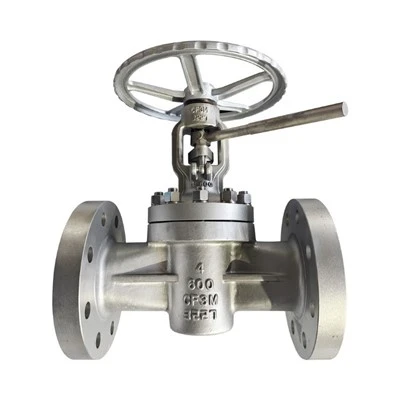
If you’re ready to chat about your gas application, need a quote, or have questions about specific designs, reach out to our team. We’re happy to walk through your needs, share data from our past projects, and help you pick the right valve without the sales fluff. Don’t waste another minute dealing with leaky valves or compliance headaches—let’s find a solution that works for you.
Double Block and Bleed Plug Valve References:
- API Standard 624, Petroleum and Natural Gas Industries—Fugitive Emissions Test for Valves
- Plug Valves: Design, Application, and Maintenance, Hydraulic Press Institute
- Natural Gas Pipeline Valve Performance Standards, American Gas Association
Zhejiang Demelong Fluid Technology Co., Ltd.
As one of the most reliable plug valve manufacturers and suppliers in China, we’re featured by quality products and good service. Please rest assured to buy bulk durable plug valve from our factory. If you have any enquiry about customized service, please feel free to email us.
Address: No.7936, Sunshine Avenue, Oubei Street, Yongjia County, Wenzhou City
E-mail: dml@zjnsvalve.com
WebSite: https://www.cn-dmlv.com/
