Hey guys, if you’re here trying to figure out how to install a DIN exhaust flange, I’m guessing you’ve either tackled a exhaust project before, messed up a flange fit, or just found yourself staring at a pile of parts wondering “how do I make this work without leaks?” Let me start by saying, as someone who’s been a DIN flange supplier for 7 years (I started this little side hustle out of my garage, now we ship parts to repair shops and gearheads across the country), I’ve seen every mistake you can make during installation. A bad flange isn’t just an annoyance—it’s a headache that leads to loud exhaust leaks, reduced fuel efficiency, and even trouble getting your ride inspected. I’m gonna walk you through this step-by-step, no fancy jargon, no confusing fluff, just what actually works. Din Flange
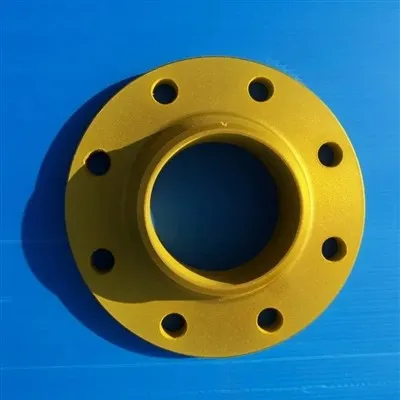
First, let’s get one thing straight: DIN exhaust flanges aren’t one-size-fits-all. I’ve had customers show up with a “universal” flange that didn’t line up with their manifold or muffler outlet, and yeah, that’s a real thing. Before you even touch a wrench, double-check your parts. You need a flange that matches your exhaust pipe diameter (most common are 2-inch, 2.25-inch, 2.5-inch), the bolt hole pattern (DIN flanges have specific spacing—don’t mix up the 4-bolt vs 2-bolt), and the thickness that matches your existing components. If you’re replacing an old one, pull the busted flange off and measure every detail—don’t guess. I keep a little cheat sheet of the most popular specs on my supplier page, so feel free to reference that if you’re unsure.
Next, grab your tools. You don’t need a garage full of fancy stuff, but skipping even one simple tool will make this way harder. Here’s what you actually need: a socket set (metric, because most exhaust fasteners are metric), a wrench set (to hold nuts while you turn bolts), a wire brush (the old rusty flange isn’t gonna seal itself), a high-temp exhaust gasket (no paper gaskets here—they burn out fast), new grade 8 bolts and lock nuts (old bolts are usually rusted, save yourself the hassle and replace ‘em), and a torque wrench (seriously, don’t skip this—over-tightening cracks flanges, under-tightening causes leaks). Oh, and a can of penetrating oil (like WD-40 or PB Blaster) if you’re removing old bolts—trust me, you’ll be glad you had this.
Now, let’s start with prep work. This is the most important step and the one most people skip. First, make sure your vehicle is on a level surface, and the exhaust is cool—you don’t wanna burn your hands off mid-project. Jack it up if you need to, and secure it with jack stands, never just relying on a jack (safety first, always). If you’re replacing a worn-out flange, you gotta remove the old one first. Spray penetrating oil on the old bolts and let it sit for at least 15 minutes—don’t rush this. Try not to yank on the bolts too hard, that’ll snap ‘em off and you’ll be dealing with a way bigger mess. Once the old flange is off, use your wire brush to scrub both the manifold side and the muffler/pipes side completely clean. No rust, no old gasket gunk, no dirt—any of that will create a gap that leaks like crazy. I see this mistake all the time: guys just slap the new flange on top of the old crud and wonder why it’s loud a week later. Don’t be that guy.
Now, time for the actual installation. First, lay your new high-temp exhaust gasket on the cleaned surface of either the manifold or the pipe side—match the bolt holes up perfectly. The gasket is there to create a seal, so don’t fold it or stretch it. Next, place your new DIN flange over the gasket, aligning all the bolt holes. Hold it in place, and then hand-thread your new grade 8 bolts through the holes. Don’t tighten ‘em yet—hand tight only, we’re just making sure everything lines up. This is where that 15 minutes of measuring earlier pays off: if the bolts won’t thread, your flange is the wrong size. Go back and double-check before you keep going, it’s easier now than later when you’re halfway done.
Once all bolts are hand-threaded, it’s time to torque ‘em. This is the second most important step. Every DIN flange has a specific torque spec—usually between 25 and 35 ft-lbs, but always check your vehicle’s service manual or the flange packaging. Start by tightening each bolt in a crisscross pattern, not in a circle. Why? Because tightening in a circle pulls the flange unevenly, leading to leaks. Crisscross means you tighten bolt 1, then bolt 3, then bolt 2, then bolt 4, repeating until they hit the spec. Go slow, check each one twice. If you don’t have a torque wrench, you can get a rough idea by tightening until the nut is snug, then turning it about a quarter turn more—but I highly recommend a torque wrench, even a cheap one. I keep a cheap ½-inch torque wrench in my toolbox for this exact reason, it’s worth the $20.
Wait a second, what if I’m welding the flange instead of bolting it? A lot of people ask me about welding vs bolted, and that’s a whole separate thing. Bolted is better for most do-it-yourselfers because you can take the exhaust apart later, it’s way easier for repairs. Welding is for custom builds or heavy-duty applications, but it’s way more permanent and dangerous if you don’t know what you’re doing. If you do weld, make sure you still prep the surfaces completely, hold the flange perfectly aligned while welding, and don’t overheat the flange (it can warp, which causes leaks). I only recommend welding if you’ve done it before, otherwise stick with bolted flanges.
Now, after you’re done tightening, do a quick check. Wiggle the flange a little—if it moves, you didn’t tighten enough. Then, start your vehicle and let it idle for 5 minutes. Listen for any hissing or popping sounds around the flange—that’s a leak. If you hear it, turn off the engine, let it cool for 10 minutes, go back and re-torque the bolts. Most leaks are fixed just by double-checking the torque. If it still leaks, take the flange off, check if the surfaces are clean, or if the gasket was installed wrong.
Let me throw in some pro tips from my years as a supplier. First, never use old bolts. Even if they look fine, exhaust bolts get rusted and stretched from heat, they’ll snap or not hold the torque right. I sell bulk packs of grade 8 bolts that match our DIN flanges, so pick those up at the same time—way cheaper than buying them separate at the auto parts store. Second, don’t use a regular gasket. Paper gaskets burn out in a few months, the high-temp ones last years and are worth the extra $5. Third, if your flange has a flat vs raised face, make sure the gasket matches that. Raised face flanges need a gasket that fits the smaller raised section, flat face uses a full gasket. Mixing those up leads to leaks every time.
Also, common mistakes to avoid: using a hammer to beat the old flange on or off (that warps it, so your new flange won’t seal right), skipping the crisscross torque pattern, not letting the penetrating oil sit long enough, and working on a hot exhaust. I’ve had customers bring me flanges they “installed themselves” that warped because they hammered the old one on—those aren’t covered under warranty, so save yourself the trouble, do it the right way.
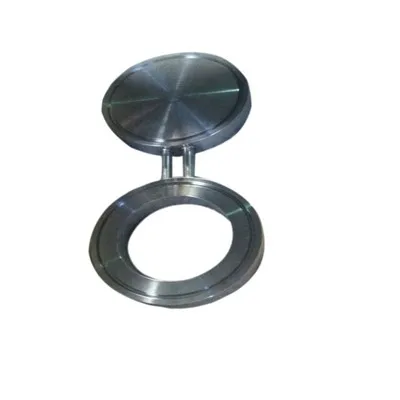
If you’re still not sure about the size or type of DIN flange you need, hit me up. We make all standard DIN flanges, from 2-inch to 3.5-inch, in different thicknesses, and we can help you match the exact part for your vehicle or project. Whether you’re a weekend warrior doing a custom exhaust, a repair shop needin’ bulk parts, or a gearhead just fixing a leak, we’ve got you covered. No weird minimum orders, no hidden fees, just quality parts at a fair price. Shoot us a message to talk specs, order, or even ask more questions about installation. Don’t let a bad flange ruin your ride—get it done right the first time.
Bolt and Nut References: 1. Automotive Exhaust System Installation Guide, SAE International, 2021. 2. DIN Standard for Flange Dimensions, Deutsches Institut für Normung, 2019. 3. DIY Exhaust Repair: Common Mistakes and Solutions, Popular Mechanics, 2022.
Shanxi Xinshunda Flange Manufacturing Co., Ltd.
As one of the most professional din flange manufacturers and suppliers in China, we also support customized service with competitive price. We warmly welcome you to wholesale high quality din flange for sale here from our factory. For quotation, contact us now.
Address: Zhunagli Industrial Zone,jinchang Town,dingxiang,shanxi,china
E-mail: sales01@xinflange.com
WebSite: https://www.xinflange.com/
