If you’ve ever stood on a manufacturing floor where plastic pellets flow in steady, unbroken streams to injection molding machines, you know that feeding equipment isn’t just a side part of the process—it’s the quiet backbone that keeps production on track. For the past eight years, as a plastic feeding equipment supplier, I’ve spent way too many hours troubleshooting machines that seem to work perfectly in our test lab but sputter, clog, or fail when they get to a customer’s facility. The culprit? Almost never the equipment itself, but the feeding environment it’s placed in. Today, I want to walk through what I’ve learned about how temperature, humidity, dust, floor vibration, and even the layout of a plant can make or break the performance of plastic feeding systems. Plastic Feeding Equipment
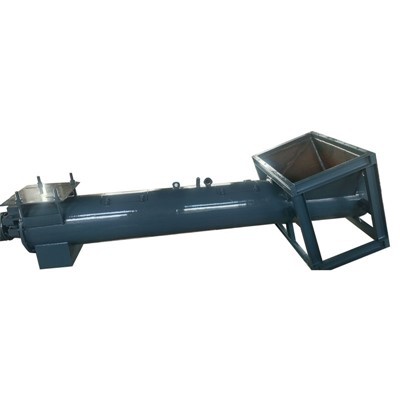
Let’s start with the most overlooked variable in my experience: ambient temperature. A few years back, we sold a set of volumetric feeders to a small custom molding shop in the Midwest. They had a 24-hour shift, and their plant’s heating system broke in the middle of winter. When the feeders arrived, we tested them at 22°C (72°F) in our facility, and they handled 100kg of polypropylene pellets per hour with zero variation. Two weeks after installation, the customer called panicking—their feeders were delivering 15% less material than programmed, and they were getting hundreds of defective parts. When we visited, the plant floor was sitting at 10°C (50°F), and the feeders’ stainless steel screw drives were cold enough to hold condensation. The problem was two-fold: first, cold polypropylene pellets are stiffer, so they don’t slide as smoothly through the feeder’s metering flights as they do at room temperature. Second, the cold steel contracted just enough to throw the screw’s alignment off by 0.2mm—enough to create a gap that let extra air in, causing the pellets to bounce instead of feeding at a consistent rate.
We fixed that issue with simple insulation wraps for the feeders and a small electric heating pad on the screw assembly. But that experience taught me a lesson I still repeat to every new customer: plastic feeding systems are calibrated for a specific temperature range, and even a 5°C (9°F) shift can skew their performance. For customers operating in spaces with extreme temperatures—think summer plant floors that hit 35°C (95°F) or winter cold rooms where pellets are stored—we now pre-calibrate feeders at the exact ambient temperature of their facility before shipping. It adds a day to our production timeline, but it cuts down on startup delays by 70%, according to our customer data.
Next up is humidity, which is even more insidious than temperature. Last year, we delivered gravimetric feeders to a large packaging manufacturer in the Southeast. They were making food-grade plastic bottles, and their plant was in a coastal area where summer humidity regularly hits 85%. The first production run after installation yielded parts with streaks and weak spots, and the lab tested showed inconsistent resin mixing. When we examined the feeders, we noticed tiny clumps of pellets stuck to the interior hoppers and screw flights. Polyethylene and polypropylene absorb very little moisture on their own, but the fine talc or colorant added to most plastic resins for packaging is hygroscopic—it draws moisture from the air. That moisture turns the fine powder into a sticky coating, which builds up over time and clogs the feeder’s discharge port.
We had to shut down the line, disassemble the feeders, and clean every part with isopropyl alcohol. To prevent that from happening again, we modified the feeders with sealed hopper lids that have desiccant breather filters, which pull moisture out of the air that enters the hopper as pellets are fed. We also added a small air knife that blows dry, filtered air over the screw assembly to keep powder from sticking. Since that upgrade, that customer’s feeder downtime from moisture-related issues has dropped from 12 hours a month to less than 30 minutes. Here’s the thing I tell every customer: even if you’re processing non-hygroscopic resins, humidity still affects the additives in your plastic. Most feeding system malfunctions I see that are blamed on “bad equipment” are actually humidity-related.
Then there’s dust and particulate contamination, which is everywhere on a manufacturing floor. Plastic production generates a lot of fines—tiny bits of broken resin pellets that fall off during conveying. Those fines are light enough to float in the air, and they get into every nook and cranny of a feeder: the motor bearings, the control panel, the metering screw. A customer in the automotive parts industry once called us because their feeders were shutting down randomly. When we arrived, we found a layer of plastic dust on the control circuit boards inside the feeder. The dust was insulating the small electronic components, causing them to overheat and trip the safety shutoff. We had to replace two circuit boards that were already damaged, and we installed closed-loop air filters on the feeder’s motor and control enclosures to block dust from getting in.
Dust doesn’t just affect electronics, either. In feeders that use gravity to move pellets into the metering zone, a buildup of fines can create a bridge in the hopper. A bridge is when the fines pack together at the bottom of the hopper, blocking the main stream of pellets from reaching the screw. The feeder thinks it’s working, because the screw is turning, but there’s no material being delivered. I’ve seen that same issue with feeders installed near sanding stations or metal stamping lines, where metal dust mixes with plastic fines to create a hard, cement-like block that can take hours to break out of a hopper. Our solution for customers in dusty environments is to add vibratory hopper inserts that gently tap the sides of the hopper to prevent bridging, plus fully enclosed conveying lines that don’t let fines escape into the plant air.
Vibration is another environmental factor that’s often dismissed, but it’s a big one for facilities that have heavy machinery running around the clock. A customer in a metal fabrication plant tried to mount their feeders directly on the same concrete slab as their stamping press. The stamping machine vibrated at a frequency that matched the feeders’ metering screws, causing them to oscillate slightly and throw off their calibration. The feeders would feed an extra 5% of material every time the stamping press cycled, leading to over-packaged parts and a lot of wasted resin. Moving the feeders to a separate slab that was isolated from the press with rubber vibration pads fixed the issue. Now, we advise all customers to test the vibration levels of their floor before installing feeders. If the vibration exceeds 0.5g at frequencies between 10 and 100 Hz (the range most feeders use for metering), we offer custom mounting brackets with spring isolators that decouple the feeder from the plant’s floor. It’s a small addition, but it’s cut vibration-related calibration errors by 80% for our customers in plants with heavy auxiliary equipment.
Finally, there’s the layout of the feeding system itself, which is part of the environment in the broader sense. A lot of customers don’t realize that how they route their conveying lines and position their feeders affects performance. For example, if you have a long conveying line that goes around a corner before reaching the feeder, pellets will collide with the pipe walls, breaking into fines and causing inconsistent flow. We had a customer who routed their conveying line 20 meters (65 feet) from the resin silo to the feeder, with three 90-degree turns. The fines rate was 3% of total resin, and the feeder was clogging every shift. We re-routed the line with gradual 45-degree elbows instead of sharp 90s, and shortened the line to 12 meters (40 feet). The fines rate dropped to 0.5%, and the feeder’s downtime from clogging went down by 90%. Another common layout mistake is placing feeders too close together. If two gravimetric feeders are side-by-side, their vibrating hoppers can interfere with each other’s weight sensors, causing the system to incorrectly measure material ratios. We now work with customers during the planning phase to map out the optimal layout, keeping feeders at least 30cm (12 inches) apart, minimizing the length of conveying lines, and avoiding sharp turns.
As a supplier, our job isn’t just to sell equipment—it’s to help customers make that equipment work in their unique environment. Over the years, we’ve stopped testing feeders only in our controlled lab, and now we do on-site assessments before every installation. We check plant temperature, humidity levels, floor vibration, dust levels, and even the layout of the production floor. We don’t just hand over a manual and walk away; we train our customers’ maintenance teams to monitor these environmental factors, because catching a humidity spike or a dust buildup early can prevent hours of downtime.
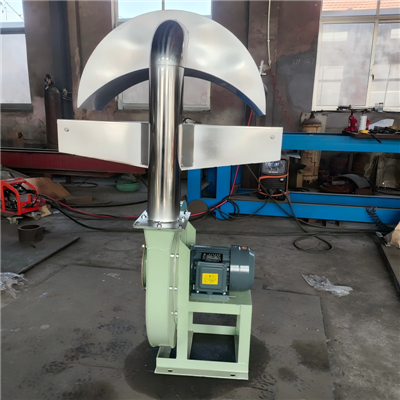
If you’re dealing with feeders that don’t perform as expected, whether it’s inconsistent material flow, frequent clogs, or unexpected shutdowns, the issue might not be with the equipment itself. It might be the environment it’s in. I’ve seen so many customers waste time and money troubleshooting a feeder that was perfectly good, just because they didn’t account for the variables in their plant. We can work with you to assess your feeding environment, adjust your equipment to fit your space, and make sure your operation runs smoothly. To talk through your specific challenges and find the right solution for your facility, feel free to reach out to our team for a consultation.
Plastic Feeding Equipment References:
- Rosato, D.V., Rosato, M.G., & Rosato, D.V. (2000). Injection Molding Handbook. Kluwer Academic Publishers.
- Harper, C.A. (2002). Handbook of Plastics, Elastomers, and Composites. McGraw-Hill.
- Plastic Processing Machinery: Feeding and Conveying Systems. (2018). Gardner Publications, Inc.
- Environmental Effects on Manufacturing Equipment Performance. (2021). Journal of Industrial Engineering and Operations Management.
- Humidity Control in Plastic Processing. (2019). SPE Plastics Engineering Magazine.
Laizhou Yuening Machinery Co., Ltd.
As one of the most reliable plastic feeding equipment manufacturers in China, we warmly welcome you to buy cheap plastic feeding equipment made in China here from our factory. All customized machines are with high quality and low price. For pricelist, contact us now.
Address: Yuanjia Village, Luwang, Shahe Town, Laizhou City, Yantai City, Shandong Province
E-mail: yueningjixie@163.com
WebSite: https://www.ynplasticmachinery.com/
