As an aluminum foil pouch supplier, I’ve spent the last decade helping brands across food, pharmaceuticals, and specialty goods get their packaging labels right—so many customers come to me frustrated, confused, or both, saying their pouches are failing label inspections, customers can’t read their ingredients, or they’re wasting money on labels that fall off mid-shipment. The truth is, labeling aluminum foil pouches isn’t just about slapping a logo on a shiny metallic surface; it’s a mix of material science, regulatory rules, and practical on-the-ground use that makes or breaks a product’s success. I’ve learned this the hard way: early on, a small craft chocolate client I worked with had their entire batch of branded pouches rejected at the border because their labels didn’t meet FDA food contact standards, and another customer lost 15% of their shipments when cold-storage labels peeled off during cross-country trucking. That’s why today I’m breaking down exactly how to label aluminum foil pouches correctly, with lessons straight from my years on the supply side, because getting this right saves you time, money, and avoidable headaches. Aluminum Foil Pouch
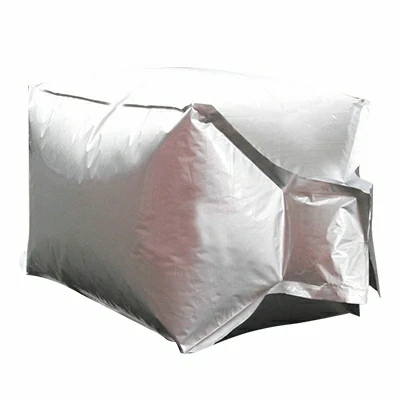
First, let’s start with the most fundamental step: matching your label material to your pouch. Aluminum foil isn’t a regular paper surface—it’s smooth, non-porous, and often coated with a thin layer of polymer (for heat-sealing and barrier properties) that’s designed to repel moisture and air. Standard paper labels or generic vinyl labels won’t stick long-term here, no matter how good the adhesive is. I’ve seen brands try to cut corners with cheap labels, only to have them peel off in humid warehouses or after sitting on a grocery shelf for a month. For aluminum foil pouches, there are two label categories that work, and your choice depends entirely on how your product will be used.
The first is pressure-sensitive labels (PSLs), the most common choice because they’re easy to apply, cost-effective for small to medium runs, and come in a range of finishes. Not all PSLs are created equal, though. You need to pick one specifically designed for non-porous metallic surfaces. I always recommend solvent-acrylic adhesive PSLs—they’re strong enough to bond to foil’s smooth surface, flexible enough to move with the pouch when it’s sealed and expanded, and resistant to mild moisture and temperature fluctuations. Avoid water-based acrylic adhesives if your pouches will see any humidity, because water breaks down the adhesive’s bond over time. For finishes, matte or semi-gloss works best for readability; high-gloss can cause glare on store shelves, making nutrition facts or product names hard to read. The second option is direct printing, which is exactly what it sounds like: printing the label design directly onto the foil pouch’s outer layer, instead of adding a separate label. This is the best choice for high-volume runs, bulk shipments, or products that face extreme conditions—like frozen food pouches or pharmaceutical pouches that need to withstand cold storage or autoclave sterilization. Direct printing eliminates the risk of labels peeling entirely, and it can use durable inks that are resistant to smudging, chemicals, and UV light. I worked with a frozen seafood brand last year that switched from pressure-sensitive labels to direct printing after 12% of their pouches had labels falling off during 6-month cold storage; their direct-printed pouches have had zero issues since the switch, even after being stacked in freezers.
Once you’ve picked the right label material, the next step is nailing regulatory compliance—something I can’t stress enough as a supplier, because non-compliant labels will get your product pulled from shelves or rejected at customs, and you’re the one left fielding the angry calls. The rules vary by industry and region, but there are a few universal requirements for aluminum foil pouch labels that I help every client navigate, no matter what they’re packaging. For food products, that means FDA (in the U.S.) or EFSA (in the EU) requirements: clear nutrition facts panels, ingredient lists in descending order by weight, allergen statements (like “contains milk” or “may contain nuts”), and net quantity statements. For pharmaceutical or medical products, you need to include lot numbers, expiration dates, storage instructions, and any required warning labels, often in a size that’s readable for patients. And here’s a specific quirk of aluminum foil pouches: many regulatory bodies require that labels (or direct print marks) be smudge-proof and resistant to water, because foil is often used for moist or moisture-sensitive products like frozen meals, sauces, or pet treats. I always advise clients to test their labels with a damp cloth after application to make sure the ink or adhesive doesn’t bleed or peel—this is a quick test that saves you from a massive batch recall later.
Beyond compliance, there’s the practical side of labeling that affects customer experience and your bottom line. Let’s talk about size and placement, because a label that’s too small, too big, or stuck in the wrong spot is useless. For most stand-up aluminum foil pouches (the most common type on the market), I recommend placing the label on the front panel, the largest flat surface of the pouch, so it’s visible when sitting on shelves. Avoid wrapping labels around the sides or back unless absolutely necessary, because those areas often get covered when pouches are stacked or stored. The size of the label matters too: if you’re cramming all your required text (nutrition facts, ingredients, warnings) onto a 3×5 inch label, the font will be too small to read, which is a common mistake I see new brands make. The FDA requires that font sizes for critical information like net quantity be at least 1/16 of an inch tall for labels under 12 square inches, so plan your label size accordingly. For smaller aluminum foil pouches—like single-serve snack pouches or travel-sized pharmaceutical pouches—you’ll need to prioritize the most important information: product name, brand logo, and expiration date, and make sure those are the largest, most visible elements on the label.
Application is another step that many brands overlook, but it’s a key part of making labels stick to aluminum foil pouches. Even the best label and adhesive will fail if applied incorrectly. Here’s what I teach every client who applies labels in-house: first, make sure the pouch surface is clean and dry. Aluminum foil can have a thin layer of manufacturing residue or oil from production, and that’s a dealbreaker for adhesive—no matter how strong the glue is, it won’t stick to a greasy or dusty surface. I always recommend wiping the label area with a mild isopropyl alcohol solution and letting it dry completely before applying. Second, apply the label smoothly, starting from the center and pressing outward to avoid air bubbles. Air bubbles under the label not only look unprofessional, but they also weaken the adhesive bond over time, because moisture or dirt can get trapped in the bubble and break down the glue. For high-volume pouch labels, investing in a semi-automatic label applicator is worth the small cost—manual application works for small runs, but it leads to more bubbles and misaligned labels, which waste materials and slow down production.
Testing is the final step before full production, and it’s non-negotiable in my book as a supplier. I’ve had more than a few clients skip testing to save time, only to regret it when their entire batch of labels fails. There are three key tests I recommend every brand run on their aluminum foil pouch labels, tailored to how the product will be used. First, a adhesion test: apply the label, press firmly, let it sit for 24 hours, then try to peel it off by hand. If it comes off easily or leaves residue on the pouch, it’s not the right adhesive or label material. Second, a environmental test: if your pouches will be shipped in hot trucks (common for seasonal products or cross-country shipping), leave a test batch in a 100°F area for 72 hours, then check if labels have shifted or peeled. If they’re going to be frozen, leave them in a -20°F freezer for the same amount of time to check for cracking or peeling. Third, a readability test: show a test label to 3-5 people who are unfamiliar with your product and ask them to name the product, identify the key ingredients, and find any warnings or expiration dates. If they can’t do it quickly, your label is too cluttered, too small, or not designed for shelf visibility.
Now, let’s talk about common mistakes I see brands make when labeling aluminum foil pouches, because avoiding these small missteps will save you more hassle than anything else. First, using paper labels for products that go into freezers or humid environments. I once had a snack brand that switched from paper labels to metallic-applied PSLs because their protein bar labels were warping and falling off during cold storage. Paper absorbs moisture, so it gets soft and the adhesive breaks down—stick to the foil-compatible materials we talked about earlier. Second, ignoring UV resistance. If your pouches will be stored in sunlight (like at farmers’ markets or outdoor retailers), plain paper or low-quality inks will fade within a few months, making labels unreadable. Always pick UV-resistant labels or inks for outdoor or shelf-stable products that get direct light. Third, overcrowding labels. It’s tempting to add every detail, from your company history to social media handles, but that leaves no room for the critical information customers and regulators need. I tell clients to follow the “less is more” rule: every element on the label should serve a purpose, whether it’s selling the product, complying with rules, or helping the customer.
At the end of the day, labeling aluminum foil pouches is about balancing functionality, compliance, and brand appeal. It’s not just a task to check off before production—it’s a key part of ensuring your product gets from your facility to the customer’s hands without issues. As someone who works directly with pouch brands every day, I’ve seen how good labeling can boost sales (clear, attractive labels stand out on shelves) and how bad labeling can sink a product (rejections, recalls, unhappy customers). If you’re looking to source high-quality aluminum foil pouches and need help designing or labeling them correctly, I’m here to partner with you every step of the way. We can test different label materials, walk you through regulatory requirements for your specific industry, and help you create labels that work as hard as your pouches do for your brand. Contact us now to start a conversation about your project.
FIBC Bag References
- Food and Drug Administration (FDA). (2023). Food Labeling Guide: Requirements for Nutrition Facts, Ingredient Lists, and Allergen Declarations. U.S. Department of Health and Human Services.
- European Food Safety Authority (EFSA). (2022). Guidelines for Labeling of Pre-Packaged Food Products for Intra-EU Trade. European Commission Directorate-General for Health and Food Safety.
- Packaging Association for Flexible Packaging (PAFP). (2021). Best Practices for Labeling and Adhesive Selection for Metallic Flexible Packaging. PAFP Technical Report No. 07-21.
- National Institute for Standards and Technology (NIST). (2020). Temperature and Humidity Testing Protocols for Packaging Materials and Labels. NIST Handbook 146.
- World Health Organization (WHO). (2019). Pharmaceutical Packaging Labeling Standards for Cold Chain Products. WHO Technical Report Series No. 1021.
Heze Jinniu Plastics Co., Ltd.
As one of the most professional aluminum foil pouch manufacturers in China, we have world-leading production equipment and strong manufacturing capabilities. Please rest assured to wholesale bulk high quality aluminum foil pouch for sale here from our factory.
Address: South section of Renmin Road, Heze City, Shandong Province
E-mail: lishaobin2379@163.com
WebSite: https://www.jnbulkbags.com/
