Alright, let’s dive into this post. I’m a Garden Tool Parts supplier, so I’ll keep this real—no fancy jargon, just what actually works when your garden tools get rusty. Garden Tool Parts
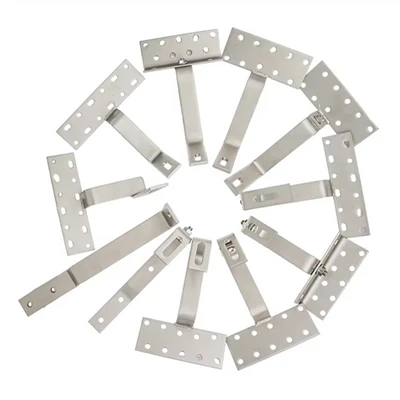
First off, let’s be honest: rust isn’t just a “cosmetic issue.” I’ve seen so many customers throw away a perfectly good shovel, rake tines, or even a hedge trimmer blade because of surface rust, and that’s such a waste. A little corrosion doesn’t have to mean your tool’s dead—you just need the right approach, and as someone who sells replacement garden tool parts, I know there’s a difference between fixing the rust on a handle vs. rust on a metal part (which is where I come in).
Let’s start with the basics: why do garden tools rust in the first place? If you’re storing them wet, or leaving them out in the rain (guilty, I’ve done that with my old trowel), oxygen and moisture mix with the iron in the metal to form iron oxide—aka rust. It eats away at the metal over time, too, so don’t wait until it’s pitted deep. The good news is surface rust is totally fixable, and even light pitting can be saved if you act fast.
First, I should break this down by tool part type, because the method for a wooden shovel handle is way different than a metal lawnmower blade. Let’s cover the most common rusted parts you might run into: metal blades (hedge trimmers, shovels, lawnmowers), metal tines (rakes, cultivators), and maybe even metal connections (like the bolt that holds a trimmer head on).
Step 1: Prep the space and your safety gear
Before you even touch the rust, grab the basics. I work in a shop, so I have a bin for old tools, but at home? You don’t need a fancy setup. Grab:
- Rubber gloves (rust and cleaners aren’t great for your hands)
- Safety glasses (rust flakes fly, I’ve had one get in my eye before—oops)
- Old rag (or a wire brush, but wait, let’s talk about that)
- A bucket of warm water and dish soap (mild, not harsh detergent)
- For light rust: baking soda, white vinegar, or even Coke (yes, really, the phosphoric acid in Coke eats light rust)
- For heavier rust: steel wool (fine grade, #000 works best), a wire brush (the soft one, not the industrial metal ones that will scratch too deep), or sandpaper (80-grit for heavy stuff, 220-grit to finish)
- And a note from me: if you’re dealing with moving parts (like a trimmer blade), unplug the tool or remove the battery first. No one wants a surprise trim while sanding.
Step 2: Figure out how bad the rust is
This is the key I see people miss. Wipe the part down with that soapy water first, so you can actually see the rust clearly.
- Surface rust: Thin, powdery orange stuff that wipes off with a rag. This is super easy to fix—takes 10 minutes max.
- Light pitting: Small, shallow holes where rust ate into the metal. Still fixable, just takes a little more scrubbing.
- Heavy pitting/holes: If the rust has made deep, uneven holes in the metal, that’s a toss-up. Sometimes you can patch it, but most of the time, it’s better to replace the part. Which is where I come in—we stock replacement lawnmower blades, rake tines, shovel heads, trimmer shafts, all that stuff. No need to force a broken tool.
Step 3: Fixing light rust (for trowels, small blades, etc.)
Let’s say your favorite trowel has that powdery orange rust on the blade. Here’s how I do it at the shop, way cheaper than buying a new one:
- Soak a rag in white vinegar (or submerge the part if it’s small) for 15-30 minutes. The acid in vinegar loosens the rust. Pro tip: if you’re short on time, a plastic bag with vinegar and the part sealed works great—no mess.
- Take the part out, scrub it with that fine steel wool. The rust should wipe right off. If it’s still a little stuck, sprinkle a tiny bit of baking soda on the steel wool—it’s a mild abrasive that doesn’t scratch.
- Rinse it with water, dry it completely (I use a hair dryer on low to make sure), then rub a thin layer of vegetable oil or tool oil on it. That’s the barrier to stop rust from coming back.
Wait, I’ve also used Coke before for light rust on metal tines. Pour a can into a bucket, soak the tines overnight, scrub with a brush in the morning—rust is gone. Just make sure to rinse really well, because the sugar in Coke will attract more bugs if you leave it.
Step 4: Fixing light to moderate pitting (for rake tines, shovel heads, etc.)
This is the part where a lot of people mess up—if you scrub too hard, you’ll make the pits worse. Here’s the right way:
- Clean the part first with soapy water, dry it. For this, I like using a wire brush (the soft one, not the stiff industrial) first to get the big chunks off.
- Take 220-grit sandpaper (or steel wool) and rub in the direction of the metal grain. If you rub cross-grain, you’ll leave more scratches that hold moisture, leading to more rust. Scrub until the pits are smooth, and the rust is all gone.
- If you have deep but small pits, you can use a rust converter (it’s a liquid that turns remaining rust into a black, protective coating—easy to find at hardware stores). Just follow the bottle directions, then sand lightly if needed, oil, and you’re done.
- Once it’s dry, coat with that vegetable oil or tool oil. For metal blades, sometimes I use a little WD-40, but make sure to wipe off the excess—you don’t want oil dripping on your plants.
Step 5: When to just replace the part (and why that’s not a failure)
Let’s be real—sometimes the rust is too bad. If the shovel head has a hole through the metal, or the lawnmower blade is pitted so unevenly that it won’t cut grass straight, don’t force it. I see customers all the time try to grind it down, and then the blade breaks mid-cut or the shovel bends when you dig. That’s a waste of time and can be dangerous.
As a Garden Tool Parts supplier, I’m here to tell you: replacing a part is way cheaper than buying a whole new tool. We stock tons of replacement parts—from small trowel blades to big cultivator tines, mower blades, even the plastic handles for rakes. It’s way easier than fixing something that’s past saving, and you’ll get a tool that works like new again.
Pro tips to prevent future rust (I’ve learned these the hard way)
Once you fix the rust, you don’t want it coming back. Here’s what I do with my own tools and tell customers:
- Clean your tools after every use. If you dig in wet soil, wipe the metal parts down with a rag—no mud sitting there = no rust.
- Store them in a dry spot, not the garage floor (which gets damp). Hang them on a pegboard, or use a tool caddy with a compartment for oil rags.
- For metal parts, do a monthly check. A quick wipe with oil every 4 weeks keeps corrosion away.
- If you have a tool that’s been stored away all winter, take 5 minutes before spring gardening to check for rust. Catching it early saves a lot of work.
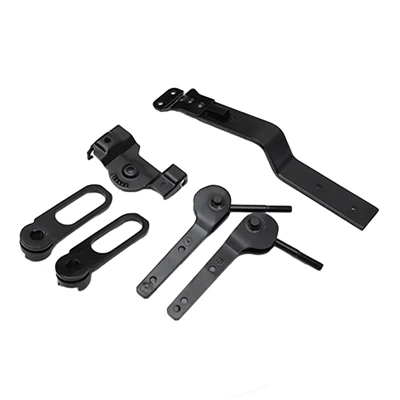
Wait, one last thing: I’ve had customers ask if it’s okay to use vinegar on wooden handles. No—vinegar will dry out the wood and make it splinter. For wooden handles, just wipe with a damp rag, dry, and rub with a little linseed oil. That keeps the handle smooth and splinter-free.
Solar Stamping Parts Now, if you’re not sure if your part is fixable, or you need a replacement part instead, reach out. We can hook you up with the right part for your tool—just tell us what make and model you have, or send a photo, and we’ll get it sorted. No hassle, no weird costs, just the parts you need to get your garden tools working again.
References
- Garden.org. (2022). “Proper Maintenance of Garden Tools to Prevent Rust.” National Gardening Association.
- Tool Basics. (2021). “Identifying and Removing Surface Rust from Metal Tool Parts.” DIY Garden Maintenance Handbook.
- Small Engine Repair Guide. (2020). “Replacing Rusted Lawnmower Blades: When to Repair vs. Replace.” Outdoor Power Equipment Association.
Ningbo New Fanfeng Tools Co., Ltd.
With abundant experience, we are one of the most professional garden tool parts manufacturers and suppliers in China. Please rest assured to buy bulk customized garden tool parts at competitive price from our factory. If you have any enquiry about quotation, please feel free to email us.
Address: No.18, Zhangjia Industrial Zone, Shangtian Subdistrict, Fenghua District, Ningbo City
E-mail: 13081992660@163.com
WebSite: https://www.cnnewfanfeng.com/
