Hey everyone, and welcome to my little corner of the internet where I spill the tea on all things recycled cotton yarn—especially when it comes to rugs. As someone who’s been in the recycled cotton yarn game for over a decade (yeah, I started this little supplier gig in my garage back in 2012, don’t judge the crumpled receipts I still have stored there), I get so many questions from rug makers, home decor lovers, and even random folks scrolling Instagram asking, “Is recycled cotton yarn actually good for rugs?” Spoiler: the answer isn’t a straight yes or no—but stick with me, because I’ll break it down like we’re chatting over a cup of coffee (or your favorite iced beverage, no shaming here). Recycled Cotton Yarn
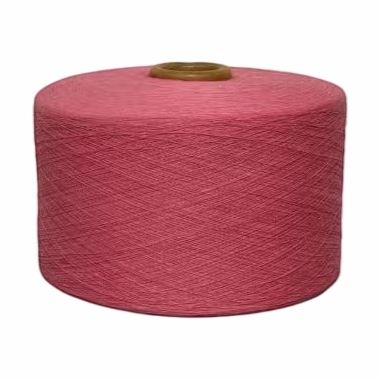
First off, let’s get one thing straight: rugs are workhorses. They’re the first thing you step on when you get home, they get tracked with mud, crumbs from snack time, pet hair, and all the general chaos of daily life. So whatever yarn you pick for a rug needs to pull its weight—no flimsy stuff that’ll fray after a month. Recycled cotton yarn, right? It’s made from post-consumer cotton scraps—old t-shirts, bed sheets, denim scraps, even leftover fabric from clothing factories. We collect those, break ’em down into fibers, spin ’em into smooth, usable yarn, and boom—sustainable material that would’ve otherwise ended up in a landfill. But does it hold up to all that foot traffic?
Let’s talk durability first. I know, I know—cotton is soft, but is it tough enough for a rug? Wait, not all cotton is created equal. When we make recycled cotton yarn for rugs, we use a slightly different spin than the fine, drapey stuff you’d use for a scarf or a decorative pillow. We twist the fibers tighter, add a little extra ply (that’s just layers of yarn twisted together, for the newbies), so it can handle friction. I’ve seen our rug yarn last 5+ years in high-traffic areas—entryways, playrooms, even under dining tables where chairs scrape back and forth. Sure, it’s not as scratchy as a wool rug (some people love that, some don’t), but it’s way more resilient than, say, cheap acrylic yarn that pills and fades after a few washes.
Wait, but what about washing? Rugs get dirty, right? If it’s a small area rug, you’re probably tossing it in the washing machine occasionally. Our recycled cotton yarn is pre-washed before it hits the shelves, so it doesn’t shrink like old cotton bed sheets did back in the day. I always tell people to use cold water, gentle cycle, and line dry or tumble dry on low—no high heat, because that’ll make any cotton (recycled or not) stiffen up. I’ve had a customer who uses her 6×8 ft recycled cotton rug in her mudroom, and she washes it once every two months—still looks brand new after 3 years. That’s a win if you ask me.
Now, the good stuff everyone loves: sustainability. Let’s be real, a lot of people are switching to eco-friendly materials these days, and for good reason. The fashion industry dumps like 92 million tons of textile waste annually, right? (I’ll link to a study later, don’t worry.) When we turn old cotton into yarn for rugs, we’re keeping that stuff out of landfills—way better than making virgin cotton, which uses millions of gallons of water. Wait, virgin cotton uses about 2,700 liters of water to make one t-shirt. That’s enough for one person to drink for 3 years. Our recycled yarn uses 90% less water than virgin cotton, no lie. And carbon emissions? Way lower too. I don’t just say that as a supplier—my little niece made a school project about climate change, and I showed her how our yarn helps cut down on waste. That’s the stuff that makes this job worth it, not just the sales.
But let’s get real about the downsides—no one’s perfect, and recycled cotton yarn isn’t either. It’s not the best for super high-traffic areas if you have a lot of heavy furniture scraping it every day? Wait, no, actually, it is, but it can be more prone to fading if you leave it in direct sunlight all day. So if you have a rug right by a big window, maybe rotate it every few months so one side doesn’t look washed out. Also, it’s not as water-resistant as synthetic yarns like nylon. So if you have a dog that tracks in rain or spills a glass of juice all the time, you might want to spot clean it quickly instead of letting it sit—same as with regular cotton. But that’s not a flaw, that’s just being realistic about what it is.
Another thing: texture. Recycled cotton yarn has a slightly “lived-in” feel, right? Not perfectly uniform like virgin cotton because it’s made from different scraps. Some threads are a little thicker, some have tiny little flecks of other fibers (like a bit of denim blue from old jeans) which gives rugs that cool, unique, boho vibe. I’ve had rug makers tell me their customers love the “imperfect” look because it feels more homey, less stiff and manufactured. If you’re going for a sleek, minimalist modern rug, maybe recycled cotton isn’t your first pick—but if you want something cozy, unique, and sustainable, it’s perfect.
Wait, let’s talk cost too, because that’s a big factor for a lot of people. Recycled cotton yarn is usually a bit cheaper than organic virgin cotton or wool, right? Because we’re using scraps instead of growing new cotton. That’s a plus for small business owners who are making rugs to sell—they can keep their prices reasonable without sacrificing quality. I’ve had a few new rug makers come to me, worried that eco-friendly materials would be too expensive, but once they tried our recycled yarn, they were shocked at how accessible it is. No need to break the bank to make a good rug.
Now, I know some people still have that old stereotype that “recycled stuff is low quality.” Let me tell you—we test every single batch of our recycled cotton yarn before it leaves our warehouse. We check for fraying, tensile strength (that’s how much it can stretch without breaking), colorfastness (so it doesn’t bleed when washed), and softness. We even send samples to independent labs to make sure it’s safe—no harsh dyes, no chemicals. A lot of our customers are interior designers who spec recycled cotton for their projects because they know the quality is consistent. That’s not luck, that’s years of tweaking our process to make sure it’s as good as, if not better than, virgin yarn for rugs.
Let me give you a little example. Last year, I worked with a woman in Portland who makes handwoven rugs for small boutiques. She started with cheap acrylic yarn because it was cheap, but her customers kept complaining about static and stiffness. She switched to our recycled cotton, and within six months, all her inventory was sold out. She told me, “My customers love that my rugs are eco-friendly, soft, and don’t feel like plastic.” That’s the exact feedback I live for.
But wait, let’s not ignore the context: recycled cotton yarn is great for rugs, but it’s not the only option. If you’re making a rug for a high-moisture area like a bathroom, maybe pair it with a rubber backing, or consider a blend—recycled cotton mixed with a little polyester for water resistance. But for bedrooms, living rooms, dining rooms, entryways, even kids’ playrooms? It’s ideal. It’s soft on little knees and paws, easy to clean, and leaves a smaller footprint on the planet.
Now, I get if you’re still on the fence. Maybe you’ve tried a recycled cotton rug before that was cheap and fell apart. That’s probably because it was low-quality yarn, not the material itself. A lot of big brands cut corners, using cheap scraps or not twisting the yarn enough for durability. That’s why it’s important to source from a supplier who knows their stuff—someone who’s not just in it for a quick sale, but cares about the product and the environment.
That’s where I come in. I’ve been supplying recycled cotton yarn to rug makers, crafters, and small businesses for years, and I’m not the type of supplier who just drops a box at your door and disappears. I answer emails at 8 PM when a customer needs to know how much yarn they need for a 9×12 rug, I send free samples so you can test the softness and color in your space, and I’m always tweaking our yarn to make it even better for rug making.
If you’re a rug maker who’s tired of working with yarn that’s too flimsy or too expensive, or a home decor lover who wants a rug that’s good for your space and good for the planet, let’s chat. I can send you samples, break down pricing, or even help you figure out how much yarn you need for your next project. No pressure, no weird hidden fees, just real talk about recycled cotton yarn for rugs.
Don’t wait—reach out today to discuss your next rug project, and let’s make something that’s both beautiful and sustainable.
Spandex Covered Yarn References:
- United Nations Environment Programme. (2018). Valuing Fashion’s Future: Environmental Performance of the Fashion Industry.
- Textile Institute. (2020). Recycled Cotton: Properties, Production, and Applications in Textiles.
- World Wildlife Fund. (2017). Cotton’s Hidden Life: The True Cost of Fast Fashion.
Zhuji Yuanhui Import & Export Co., Ltd.
Zhuji Yuanhui Import & Export Co., Ltd. is one of the most professional recycled cotton yarn manufacturers and suppliers in China. With abundant experience, we warmly welcome you to buy high-end recycled cotton yarn made in China here from our factory. If you have any enquiry about quotation and free sample, please feel free to email us.
Address: No.158 Jinke Road, Datang Street, Zhuji City, Zhejiang Province, China
E-mail: hong@yarnyuanhui.com
WebSite: https://www.yarnfty.com/
