Hey there, fellow operators of wood chippers and pellet mills! It’s Mia here, and I’ve spent the last eight years standing behind a workbench and talking to maintenance crews just like yours—no fancy corporate jargon, just the hands-on stuff that keeps your lines running and your downtime to a minimum. Last week, I had a customer call me in a panic at 7 a.m. because he’d slapped a brand-new chipper blade straight onto his machine, and three hours into a pine chip run, the edge split down the middle. “I didn’t think I needed to do anything but bolt it on!” he said. That call stuck with me because it’s the exact question I get at least three times a week from small mill managers, forestry contractors, and pellet plant supervisors: Do wood chipper and pellet mill spare parts need pre-treatment before installation? The short answer is yes—though not every part, and not every pre-treatment is the same. Let’s dive into why that split blade happened, what pre-treatments actually work, and how skipping this step costs you way more than the few minutes it takes to do it right. Wood Chipper and Pellet Mill Spare Part
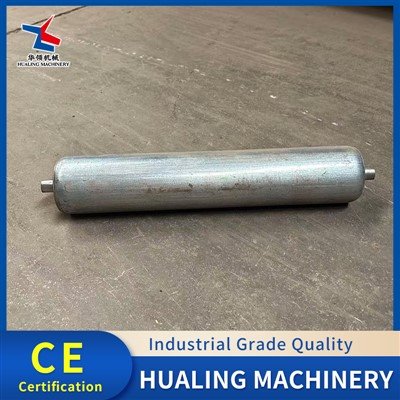
First, let’s get one thing straight: when you order a spare part from us, it’s not off the shelf and ready to install—there’s a reason we design our pre-treatment checklist the way we do, and it’s tied directly to how you use your machine. Let’s start with the most common parts you’ll replace: chipper blades, die plates for pellet mills, roller shells, and the shear bolts that keep everything from seizing up. These are the workhorses of your operation, and they’re exposed to extreme stress—constant impact from wood, high pressure from pelleting, and even moisture or corrosive sap from hardwoods like oak or maple.
Take that split blade I mentioned earlier. That customer ordered a high-carbon chipper blade, which is what we recommend for most hardwood applications. But high-carbon steel has a tiny quirk: when it’s machined, it creates what’s called a “stress riser”—a micro-crack or sharp edge at the point where the blade was cut from the steel bar. If you bolt that right onto the chipper hub without relieving that stress, the first hard hit against a dense log will force that micro-crack to grow, and you get exactly what he had: a blade that fails mid-shift, costing him a full day of production and a $300 replacement blade that he could have avoided. The pre-treatment here is simple: a 20-minute stress relief bake in a low-temperature oven (around 300°F) or a quick pass over a bench grinder with a fine grit wheel to break those sharp edges. I demo this on every blade we ship, and we even include a small pamphlet with the part number that walks you through it—yet still, people skip it because they’re in a rush.
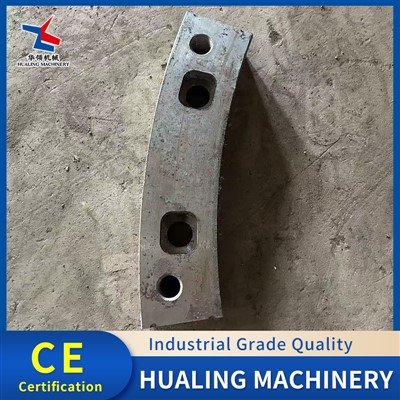
Now, let’s talk about pellet mill parts, because pre-treatment looks a little different there. Die plates and roller shells are precision parts—your pellet quality, your production rate, and the life of your entire mill depend on how well these fit. When we machine a new die plate, it leaves a thin layer of lubricant on the surface to prevent rust during shipping. That’s a good thing in our warehouse, but a bad thing in your mill. If you install a die plate without degreasing it, the lubricant will mix with the feedstock (wood shavings, sawdust, maybe a little binding agent) and cause pellets to crumble mid-die. I’ve seen this happen at a small pellet plant in western Wisconsin—they installed a new die straight from the box, and their first run had a 40% reject rate. They thought they had a bad die, but it was just the shipping lubricant. The fix here is a 10-minute wipe-down with isopropyl alcohol or a food-grade degreaser (avoid harsh chemicals that can leave a residue) and a quick dry with a lint-free cloth. It takes two minutes, but it saved them from reworking 2 tons of pellets and stopping the line for an extra hour.
Another pellet mill part that often gets overlooked is the roller shell. Most of us know that rollers need to be aligned properly, but what about the pre-treatment for the mating surfaces between the roller and the shaft? When we finish-machine a roller shell, we leave a tiny amount of surface roughness—called Ra value—in the range of 0.8 to 1.6 micrometers, which is ideal for a press fit. But if you don’t treat the shaft’s mating surface the same way (or if you don’t remove the rust and scale that can form on the shaft during storage), the press fit won’t seat properly. That leads to slippage, which wears out the roller shell in half the expected time and can even damage the die plate. I always tell my customers: when you remove an old roller, take a minute to clean the shaft with a wire brush and a little anti-seize compound (graphite-based for high temperatures) before pressing the new one on. That pre-treatment isn’t just about cleaning—it’s about protecting both parts from galling, which is when two metal surfaces weld together under pressure, making them impossible to remove later.
Wait, but not every part needs pre-treatment, right? Let’s be clear here. Small parts like shear bolts, washers, and bushings—those are pretty much ready to go when they ship, as long as you inspect them for rust. I once had a customer who tried to pre-treat a set of M12 shear bolts by dipping them in oil, and when he installed them, the oil caused the shear to slip during a jam, almost burning out his motor. Oops. So key rule: pre-treatment is for high-wear, precision parts, not the fasteners that are designed to break when something goes wrong. Another part that’s good to install straight away: the chipper’s feed roller, as long as it’s not exposed to moisture during storage. Moisture from a damp warehouse can cause flash rust on the roller’s teeth, so a quick wipe with a dry cloth is all you need there—no baking or grinding required.
Let’s also talk about environmental factors, because that’s a big one we don’t always address. If you’re running your mill in a high-humidity environment—say, a coastal plant in North Carolina or a forestry yard in the Pacific Northwest—every metal part you receive needs a quick rust prevention check during pre-treatment. Even the shipping lubricant we use isn’t 100% effective if the part sits on a loading dock in rain for two days. We recommend a light coat of lanolin-based rust inhibitor on all metal surfaces if your operation is in a humid climate, and that takes five minutes max. I had a customer in Oregon tell me that since he started doing this pre-treatment, he’s cut his die plate replacement rate by 25%—that’s a huge number for a plant that runs 20 hours a day.
I want to make sure this is practical, not just theoretical. Let’s walk through a real step-by-step pre-treatment process for the most critical parts, the ones that make or break your shift:
-
Chipper Blades: First, inspect for shipping damage (nicks, bends—if there’s any, call us immediately, don’t try to grind it out). If it’s good, run a fine-grit bench grinder along the cut edge to break sharp corners and remove any micro-burrs. If you have access to a low-temp oven, a 20-minute bake at 300°F will relieve residual stress, especially for blades over 18 inches long. Then, wipe the blade with a dry cloth—no oil, because you want it to bite into the wood, not slip.
-
Pellet Mill Die Plates: Remove the shipping lubricant with isopropyl alcohol or a neutral degreaser, scrubbing lightly with a soft brush to get into the die holes. Dry completely with a lint-free cloth—any moisture left will cause pellets to crack. Do not apply any oil or lubricant to the inner die surfaces; that will mess with pellet density.
-
Pellet Mill Roller Shells: Clean the mating surface of the roller (the part that goes on the shaft) with a wire brush to remove any surface scale or shipping residue. Lightly sand the shaft’s mating surface too, if there’s rust or grime—this ensures a tight press fit. Apply a thin layer of graphite anti-seize to the shaft, not the roller, to prevent galling later.
-
Roller Bearings: Wait, bearings—this is a big one people mess up. Most roller bearings come with a protective coating, but that coating is for shipping, not operation. If you’re pressing a new bearing into a roller, wipe the outer race with a clean cloth and a tiny amount of bearing grease before installing. Never install a bearing straight from the packaging without cleaning it—those factory oils can break down and cause premature wear.
Now, let’s talk about what happens when you skip pre-treatment, because I’ve seen the cost add up fast. The customer with the split blade? His downtime cost him $1,200 in lost production, plus $300 for the new blade—total $1,500, all because he skipped a 5-minute grind. The Wisconsin pellet plant with the bad die? They wasted $800 in rejects plus $200 in overtime for staff to rework them—$1,000 total. The guy in Oregon who didn’t treat his shafts? He replaced two roller shells in six months instead of 18, that’s $1,500 in extra parts. That adds up to way more than the time pre-treatment takes. I always tell my customers: “If you spend 10 minutes pre-treating, you’ll save 10 hours of downtime and thousands in parts.”
Is there any pre-treatment that’s overkill? Sure, and I’ll warn you against it. Don’t sand down a die plate to make it “smoother”—the rough surface of the die is what compresses the wood into pellets, and sanding it will reduce pellet adhesion. Don’t bake parts at too high a temperature—over 400°F can change the hardness of high-carbon steel, making it softer and more prone to wear. Don’t dip fasteners in oil, like that customer almost burned his motor—they need to be dry to break when there’s a jam. The key is to match the pre-treatment to the part, not just do the same thing for everything.
At our shop, we test every spare part before it leaves, and we design them with pre-treatment in mind. We don’t make parts that are so fragile they need a full overhaul before installation, but we also don’t cut corners on machining that would leave them at risk of failure. That’s why when you order from us, you get not just a part, but a quick guide on exactly what pre-treatment it needs—no fine print, no hidden steps. We know your job is hard enough without having to figure out how to install a new part that should just work.
If you’ve had a bad experience with a spare part that failed because you skipped pre-treatment, or if you’re not sure how to treat a specific part you just received, hit us up. We don’t do pushy sales calls—we do real solutions for people who run wood chippers and pellet mills every day. We’ve worked with contractors with one chipper to large plants with 24/7 production, and we can help you figure out exactly what pre-treatment your parts need to keep your line moving. Don’t let a preventable failure stop you mid-shift—reach out today to discuss your spare part needs and get the practical guidance you’ve been missing.
Wood Hammer Mill References:
- American Forest & Paper Association. (2021). Maintenance Best Practices for Wood Processing Equipment. AFPA Technical Report.
- Pellet Fuels Institute. (2022). Precision Component Installation Guidelines for Small and Medium-Scale Pellet Mills. PFI Research Paper.
- Steel Manufacturers Association. (2020). Stress Relief Treatments for High-Carbon Steel Machined Components. SMA Engineering Bulletin.
- Occupational Safety and Health Administration. (2019). Machine Guarding and Equipment Maintenance for Forestry and Wood Product Operations. OSHA 3512-19.
- International Journal of Advanced Manufacturing Technology. (2021). Surface Treatment Effects on Wear Resistance of Pellet Mill Dies and Roller Shells. Vol. 112, No. 7, pp. 1987-2002.
Shandong Hualing Machine Manufacturing Co., Ltd.
As one of the most professional wood chipper and pellet mill spare part manufacturers and suppliers in China, we also support customized service with low price. Please rest assured to buy discount wood chipper and pellet mill spare part in stock here from our factory. If you have any enquiry about quotation, please feel free to email us.
Address: Industrial Park, Dagong Village, Changshan Town, Zouping City, Shandong Province
E-mail: hualing@sdhualing.com
WebSite: https://www.hualingmachine.com/
